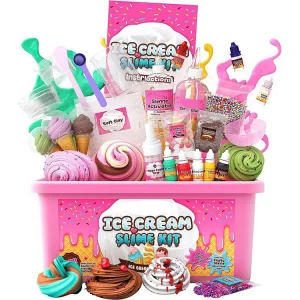
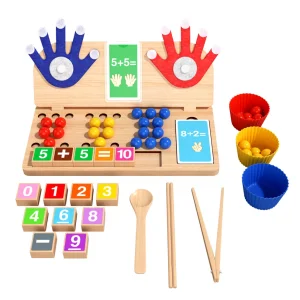
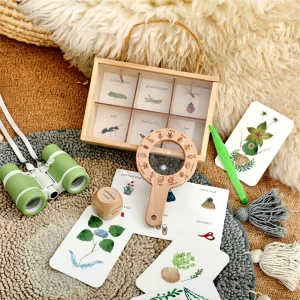
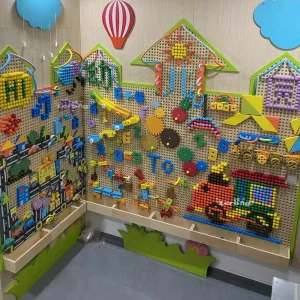
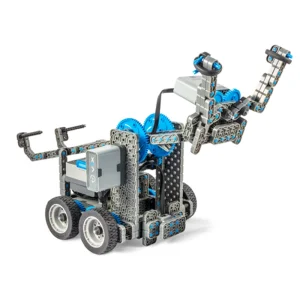
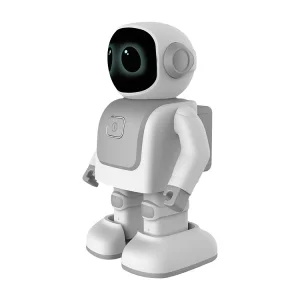
Explore our certified range of tactile development tools designed for advanced spatial, arithmetic, and experimental learning.
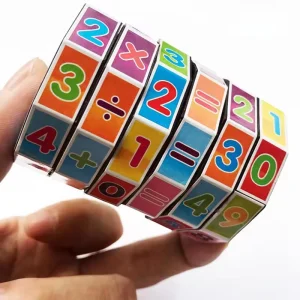
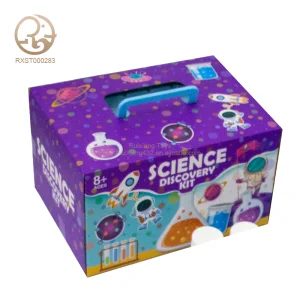
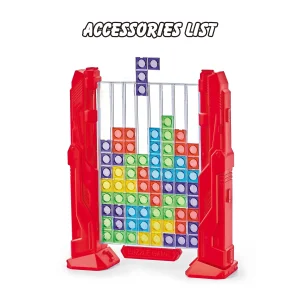
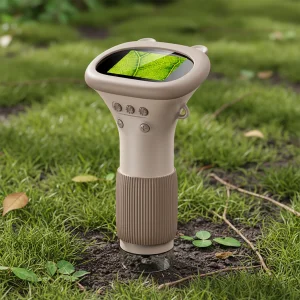
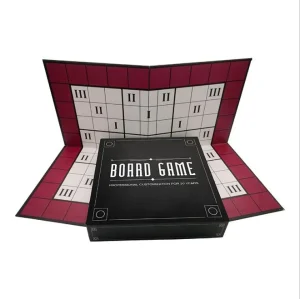
How Dongguan Briy Toys Co., Ltd. delivers global trust, safety, and pedagogical value through robust ODM/OEM infrastructure.
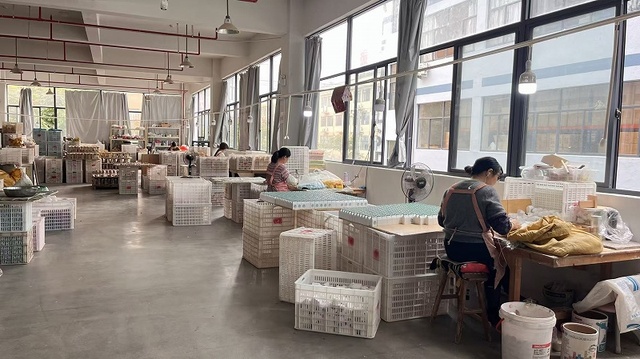
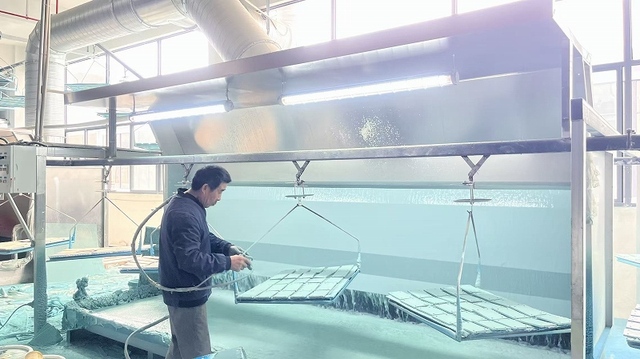
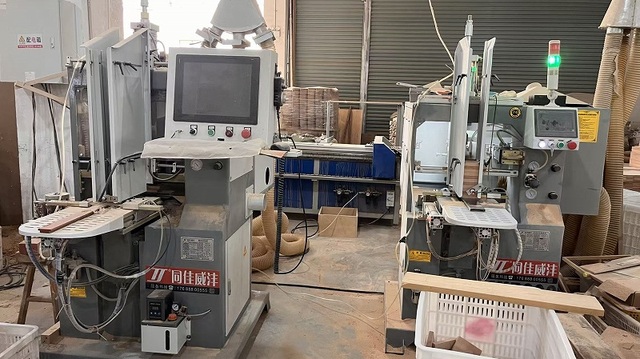
Operated within a 12,000+ square meter high-efficiency facility in Dongguan, Guangdong, equipped with specialized mold-making, plastic injection molding, wooden routing, and assembly zones.
Uncompromising alignment with international regulatory bodies. Every batch undergoes strict compliance audits for CE, EN71, ASTM F963, and CPSIA, assuring safety in toxicological and mechanical fields.
Our in-house R&D staff translates educational concepts (Montessori methods, STEM frameworks) into physical toys that foster high motor skill capabilities and real-world spatial logic.
In an educational landscape increasingly dominated by screens, digital interfaces, and virtual environments, a significant paradigm shift is occurring. Pedagogical experts, pediatricians, and cognitive neuroscientists globally are calling for a return to physical, tactile, and sensory-driven analog learning tools. The biological mechanism behind this is well-established: tactile interfaces stimulate the somatic sensory cortex, activating deeper cognitive pathways and neural plasticity that 2D screens cannot replicate.
Analog learning tools, ranging from wooden mathematical beads to complex mechanical three-dimensional puzzles, require children to manipulate objects in real-world environments. This physical engagement develops fine motor skills, hand-eye coordination, and spatial-temporal reasoning. For global toy distributors, educational institutions, and retailers, understanding this shift is key to addressing the modern consumer's demand for high-quality alternatives to digital screens.
"Physical manipulation of materials provides sensory feedback that builds rich mental models. True spatial awareness is developed in three dimensions, not on flat panels."
The global market for analog learning tools and STEM educational toys has experienced steady, resilient growth. Valued at over USD 18 billion globally, the educational toy sector is transitioning from simple amusement items to highly structured, curriculum-aligned tools. North American and Western European markets lead the demand for high-end Montessori, wooden, and early-childhood cognitive sets, driven by high parental awareness and government-mandated STEM curriculums in schools.
Concurrently, the Asia-Pacific region is emerging not only as the largest production hub but also as one of the fastest-growing consumer markets. Fast-growing middle-class demographics in East and Southeast Asia are prioritizing cognitive development and early educational acceleration. This has created a vast, competitive industry where manufacturing efficiency, quality safety controls, and supply chain reliability dictate the market share of major suppliers.
For educational toy brands and wholesalers, navigating the regulatory landscapes of different destination countries is crucial. Our factory ensures seamless entry into these regions by building compliance into our product lifecycle:
The manufacturing of analog learning tools is no longer a traditional craft; it is a highly engineered industrial process. Below is the technological roadmap that Dongguan Briy Toys Co., Ltd. follows to integrate advanced manufacturing techniques into our physical products:
Transitioning to FSC-certified sustainable hardwoods, organic non-toxic pigments, and biodegradable plant-based plastics. Minimizing carbon footprint while maintaining durability for long-term usage in institutional environments.
Using advanced 3D CAD modeling and computer-numerical-control (CNC) tooling to develop highly precise fitting pieces (such as custom Tetris configurations and interlocking gear systems) with tolerances under 0.05mm.
Designing physical analog elements that interact with smart digital software (e.g., optical character recognition cards and camera-read coding blocks) to offer a balanced play experience.
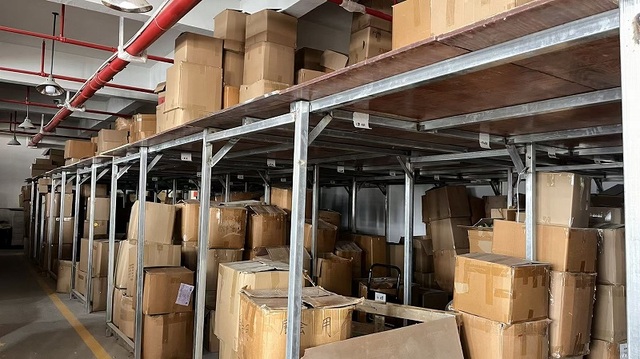
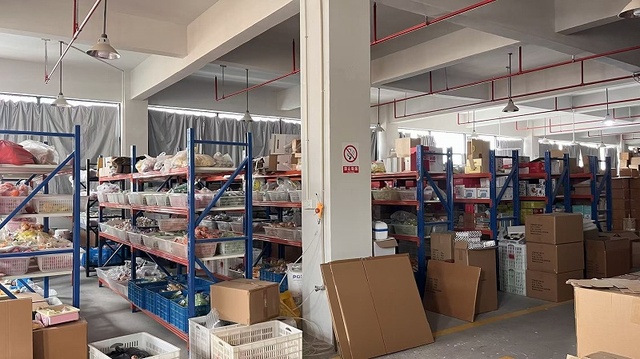
A transparent look inside our manufacturing processes, strict quality assurance checks, R&D labs, and cleanroom assembly spaces.
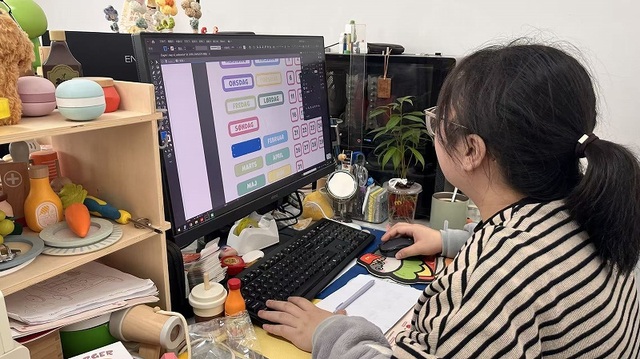
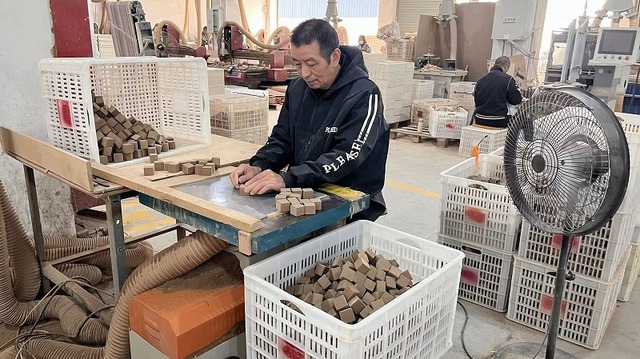
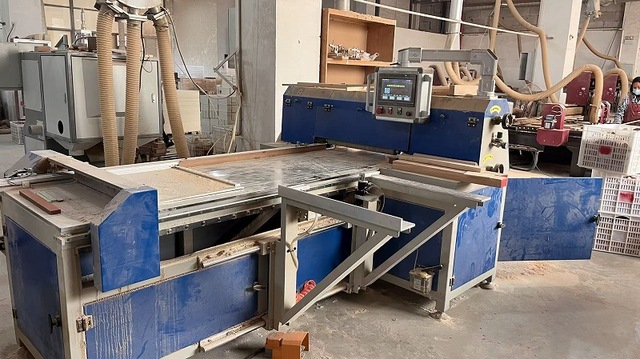
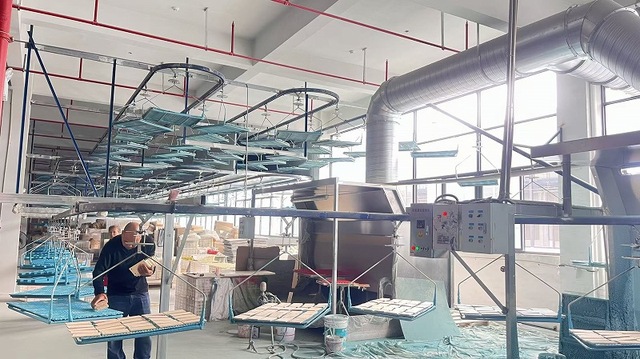
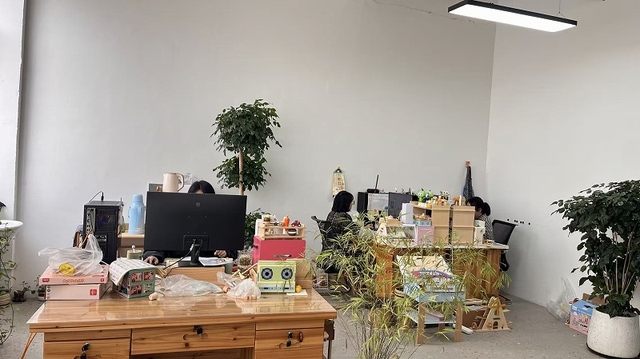
The versatility of analog tools allows them to serve diverse user intent profiles, adapting seamlessly to specific localized applications:
1. Early Childhood Classrooms & Kindergarten Hubs: In preschools and daycares, durable tactile games such as wooden beads, classification boards, and interlocking puzzle blocks allow children to interact physically, learning spatial relations and fine motor skills. This tactile feedback is essential for building sensory schemas and spatial orientation, helping them understand geometric concepts and numerical scales early on.
2. Therapeutic & Special Education Environments: Tactile feedback is critical in sensory therapy for children with Autism Spectrum Disorder (ASD), ADHD, or sensory processing deficits. Materials like interactive sensory wall panels, physical soundboards, and dynamic sliding beads help children with emotional self-regulation, spatial focus, and fine-motor coordination in calm, screen-free settings.
3. STEM-Focused Homes & After-School Science Hubs: Parents seeking cognitive alternatives to digital devices use specialized chemistry kits, optical exploration telescopes, and mechanical building sets to introduce kids to experimental methods. This helps children develop problem-solving habits and early logical reasoning through physical trial and error.
To support global importers, corporate toy brands, and educational institutions, Dongguan Briy Toys Co., Ltd. provides robust B2B solutions tailored to various market demands:
Find answers to common questions about safety certifications, customization workflows, and wholesale operations.
Our products are manufactured to meet global import regulations. We hold CE certifications and conduct testing according to EN71 (Parts 1, 2, and 3) for the EU market, and ASTM F963 and CPSIA guidelines for the US market. We verify toxicological safety, mechanical stability, and chemical composition before shipment.
The lead time for custom orders varies by complexity. Typically, the prototype creation and design phase takes 10 to 15 days. Once prototypes are approved, mold fabrication and mass production take between 30 and 45 days. We work closely with our clients to align production with their marketing calendars.
We implement a multi-stage QA process, starting with toxicological tests on raw plastics, woods, and colorants. Our team conducts on-line inspections during molding and assembly, followed by final spot inspections prior to packaging. We also work with third-party testing organizations (like SGS, TUV, and Intertek) to provide independent certification report sheets.
Yes, we provide customizable packaging options. Our design team can print directly onto inner boxes, labels, and outer boxes. We also offer eco-friendly paper packaging, kraft paper sleeves, and biological PLA bags to align with your brand's sustainability initiatives.
Our facility is located in Dongguan, Guangdong, China. This puts us near major international ports like Shenzhen and Guangzhou. We handle FOB, CIF, and DDP shipping configurations, coordinating with your preferred freight forwarding companies to arrange sea, air, or express shipping.
Explore our robotic kits, building blocks, and sensory learning systems, designed to bridge play with early engineering principles.
 Briy Toys