Explore our premium selection of Montessori, STEM, and structural play wooden instruments designed for rigorous durability and safety standards.
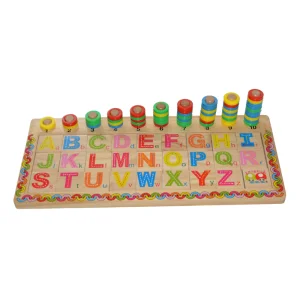

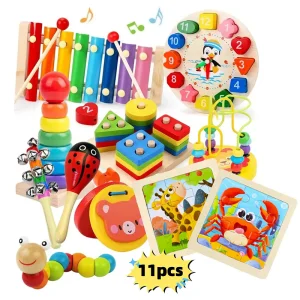
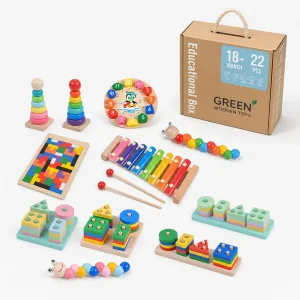
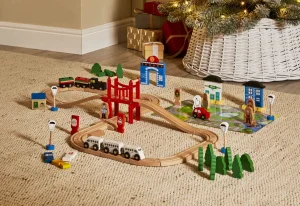
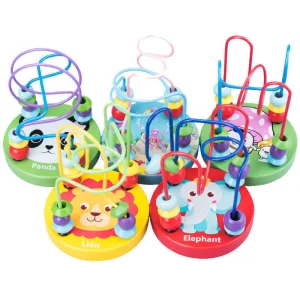
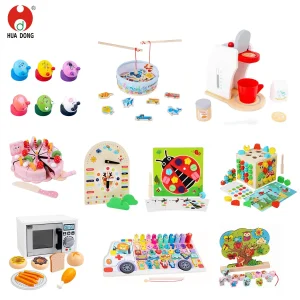
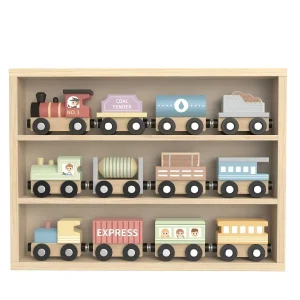
The global toy industry is undergoing a structural transition. Long dominated by petrochemical plastics and ephemeral electronic components, the contemporary retail market is shifting rapidly toward natural, durable, and highly educational alternatives. The wooden educational toys sector stands at the intersection of this transition. Increased consumer awareness regarding early childhood brain plasticity, combined with a universal demand for sustainable family lifestyles, has positioned premium wooden toys not as a nostalgic niche, but as a dominant category in modern child-care ecosystems.
From a commercial perspective, this market transition is driven by two main factors. First, regulatory pressures are tightening worldwide. The European Union's Toy Safety Directive and the United States' ASTM standards continuously expand their oversight regarding chemical emissions, heavy metals, and plasticizers (such as phthalates). Natural timber, when sourced responsibly and processed with non-toxic, water-based finishes, represents the most efficient engineering vector to achieve systematic compliance with international laws. Second, the consumer movement toward screen-free childhoods is no longer an elite preference; it has become a mainstream developmental strategy. Sensory engagement, spatial reasoning, and open-ended play represent key components of educational design, which are natively supported by the physical weight, organic textures, and thermal properties of natural wood.
Classrooms and modern households demand open-ended materials that foster self-directed learning, physical coordination, and spatial logic.
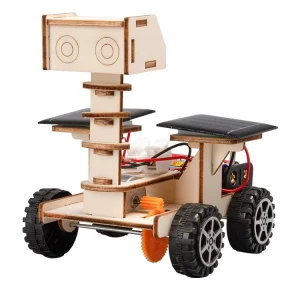
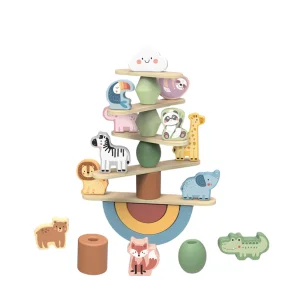
Integration of simple mechanics, physics-based balances, and DIY assembly structures that align with scientific curricula globally.
Strict chain-of-custody protocols, such as FSC certification, and biodegradable, organic packaging systems to meet ESG criteria.
B2B procurement officers—representing large-scale retailers, e-commerce aggregators, educational institutions, and brand houses—face a distinct set of operational challenges. Unlike consumer acquisition, commercial toy sourcing requires balancing three key operational vectors: regulatory security, unit cost efficiency, and supply chain scalability. A failure in any of these areas can lead to significant financial liabilities, customs seizures, or reputational damage to the brand.
"Procurement officers do not buy toys; they acquire verified, compliant, and scalable manufacturing systems that protect their brand's equity and guarantee shelf availability."
When searching for a manufacturing partner, sourcing professionals seek comprehensive indicators of professional capacity. These include verified material origin audits (ensuring timber is harvested in compliance with environmental laws), chemical certification chains for coatings, and modern structural testing procedures that eliminate hazards like small parts separation or structural collapse. Additionally, custom packaging capabilities (OEM/ODM) are vital. Products must be delivered in retail-ready, freight-optimized configurations that reduce dimensional weight, optimize cargo volumes, and lower total carbon emissions per unit shipped.
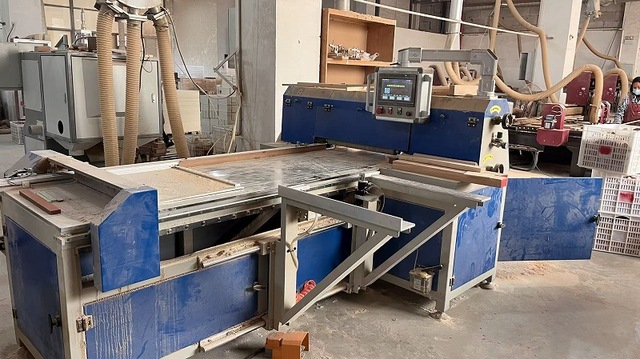
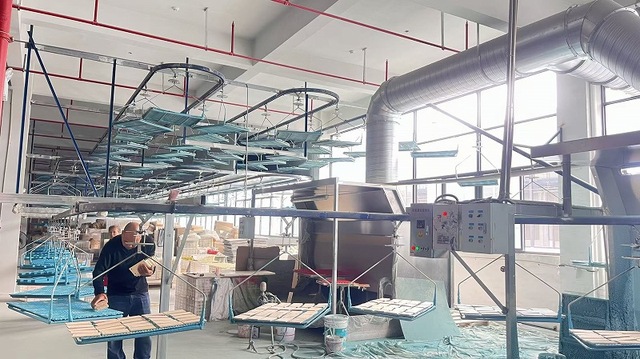
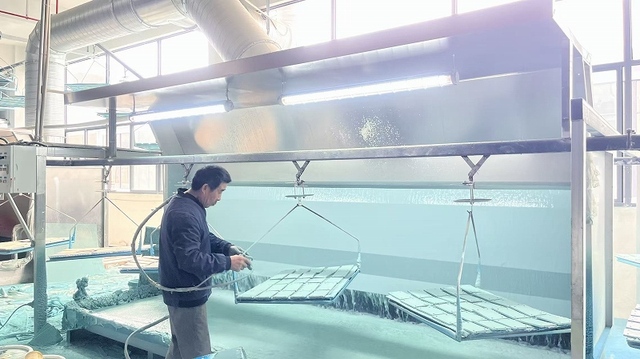
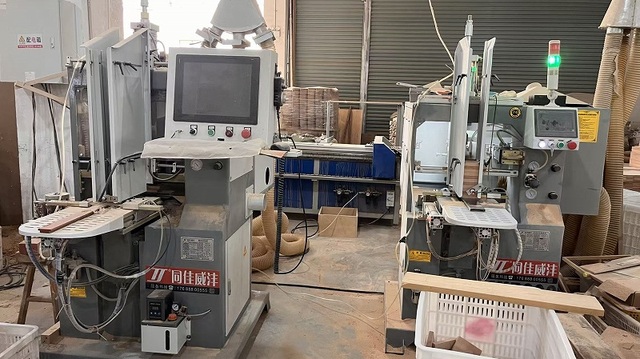
The concept of manufacturing in China has moved beyond simple labor cost advantages. Today, the Pearl River Delta's toy manufacturing sector represents an advanced industrial hub, combining automation, strict quality control, and deep supply chain integration. The transition to "Factory 4.0" is marked by the integration of computerized numerical control (CNC) cutting systems, laser-guided sanding lines, automated water-based spraying stations, and digitized inventory tracking systems.
These technological systems deliver clear operational advantages for global buyers:
| Operational Metric | Traditional Woodworking Facilities | Advanced Factory 4.0 Systems (e.g., Briy Toys) |
|---|---|---|
| Dimensional Tolerance | ±1.0 mm to 2.0 mm (manual calibration) | ±0.1 mm to 0.2 mm (automated CNC guidance) |
| Varnishing Consistency | Variable thickness; manual dip or spray application | Micron-level automated spray; unified UV chamber curing |
| Raw Material Recovery | 65% - 75% average utilization rate | 88% - 93% optimized nesting layout |
| Lead Time (Peak Season) | 60 to 90 business days | 35 to 45 business days |
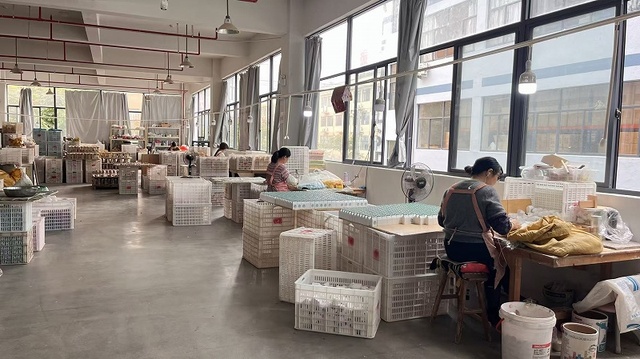
Established in 2012, Dongguan Briy Toys Co., Ltd. is a dedicated manufacturer of wooden educational toys. Headquartered in the industrial hub of Dongguan, Guangdong, China, the company operates a modern facility covering over 12,000 square meters. Guided by an experienced management team and staffed by over 180 skilled professionals, the facility provides comprehensive, end-to-end OEM and ODM services to toy brands, educational institutions, wholesalers, and e-commerce partners worldwide.
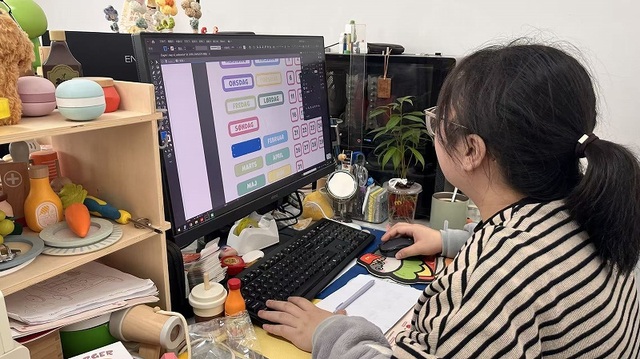
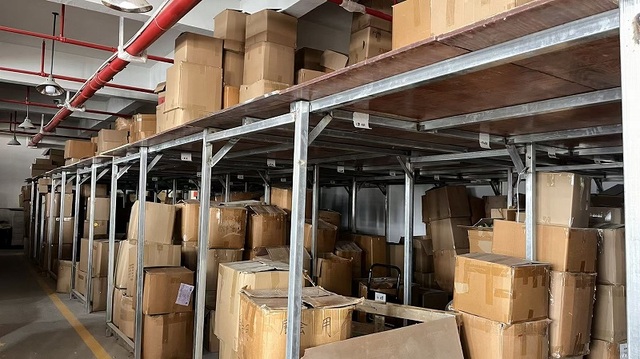
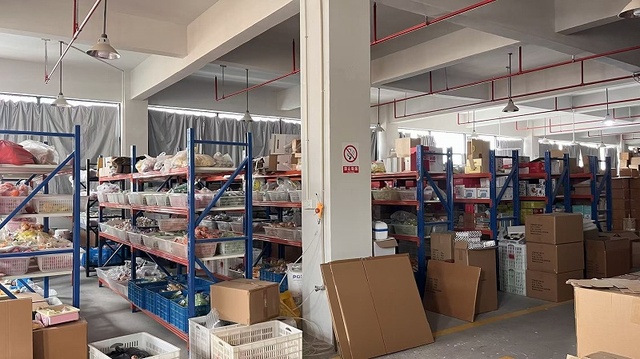
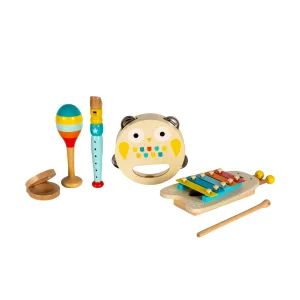
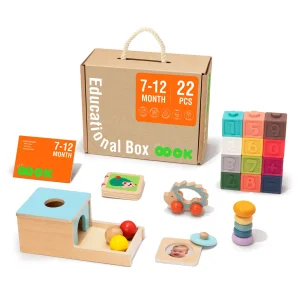
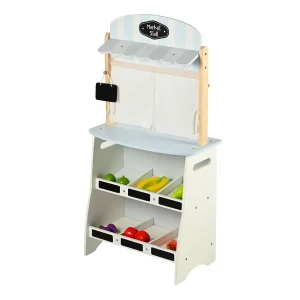
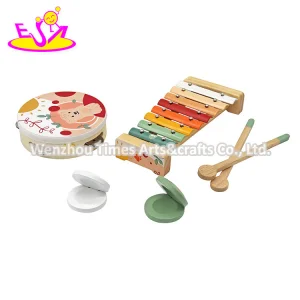
Briy Toys' production capabilities cover the entire manufacturing lifecycle, from product design and raw material sourcing to structural engineering, surface treatment, quality testing, and final logistics packaging. The company's diverse catalog includes preschool learning toys, sensory development toys, cognitive building blocks, STEM-aligned engineering kits, Montessori-inspired learning aids, wooden musical instruments, activity centers, and spatial puzzle systems.
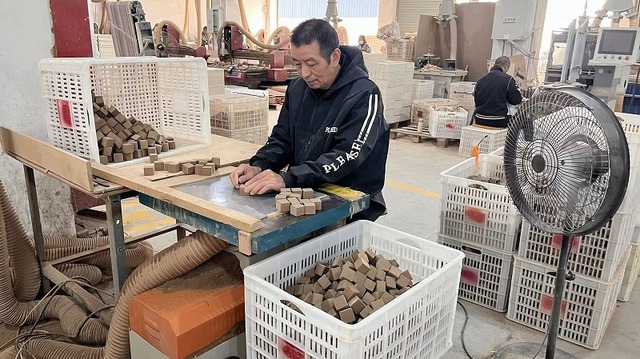
The manufacturing process at Briy Toys is defined by structural safety and reliable performance. Raw timber—selected for its tight grain and durability, such as premium beechwood, maple, birch, and linden—undergoes kiln drying to balance moisture levels, preventing warping or cracking during transit and storage. Modern production lines shape, sand, and smooth each component, ensuring no sharp edges or splinters remain. Throughout the manufacturing cycle, strict QA/QC teams inspect each batch to guarantee compliance with international safety benchmarks, including EN71, ASTM F963, and CPSIA.
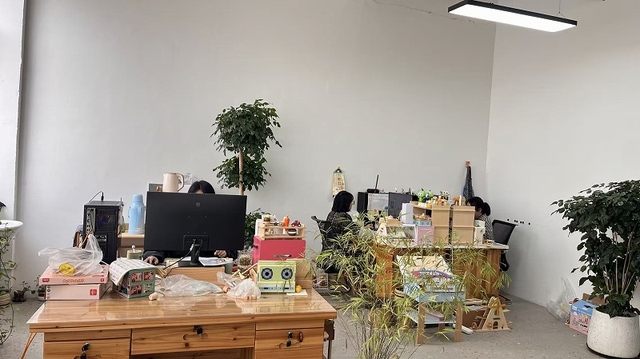
The developmental value of educational toys is realized through how they are used in physical learning environments. The modern educational toys manufactured by Dongguan Briy Toys are designed to meet the demands of three main environments:
Our materials feature clean geometric forms and self-correcting mechanisms. These design choices encourage independent problem-solving, cognitive progression, and fine motor control without the overstimulation common in plastic, electronic-based toys.
For primary classrooms and modern group study, our wooden trains, gears, and structural assembly kits introduce foundational concepts of engineering, physics, gravity, and collaborative play.
Designed to fit modern minimalist interiors, our products double as long-lasting playroom features. Their durable construction ensures they can be passed down through generations, supporting sustainable home practices.
Our safety compliance process starts with raw materials. We source FSC-certified timber and use exclusively non-toxic, water-based finishes. Every product line undergoes structural and chemical testing, both in-house and through independent laboratories (such as SGS, TUV, or Intertek). We test for tensile strength, torque, drop stability, and lead, phthalate, and heavy metal concentrations. This rigorous testing ensures all products meet the entry requirements of major global retail markets.
Our standard MOQ varies from 500 to 1,000 units per design, depending on the complexity and customization needs of the product. Our typical production turnaround is 35 to 45 business days from design approval and deposit receipt. For recurring seasonal or contract orders, we can coordinate with procurement calendars to arrange scheduled, rolling deliveries.
Yes, OEM and ODM projects are a core part of our business. Our in-house research and development department works alongside clients' creative teams to refine product specifications, draft assembly blueprints, and optimize retail packaging. We support multiple printing options, custom wood engraving, and sustainable cardboard configurations designed to minimize transit volume and packaging waste.
We primarily use kiln-dried beechwood, maple, birch, and linden wood. The kiln-drying process stabilizes the timber's moisture content to between 8% and 12%, which prevents warping, cracking, or dimensional changes during long-distance maritime transport and storage across different climates.
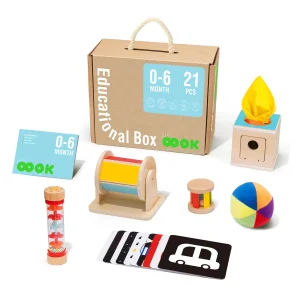
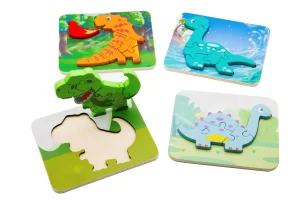
Our extended catalog focuses on early childhood tactile development, featuring musical instruments, spatial puzzles, and complex assembly sets.
 Briy Toys