High-performance educational resources calibrated to sensory modulation, fine motor refinement, and cognitive exploration.
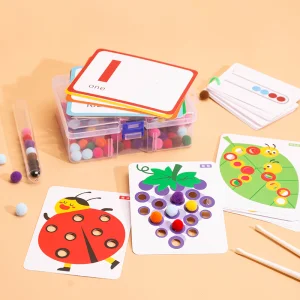
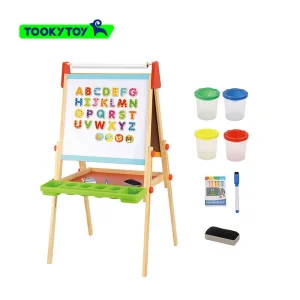
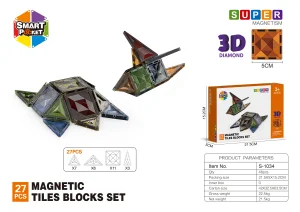
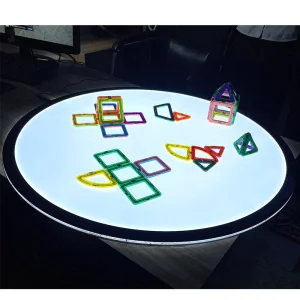
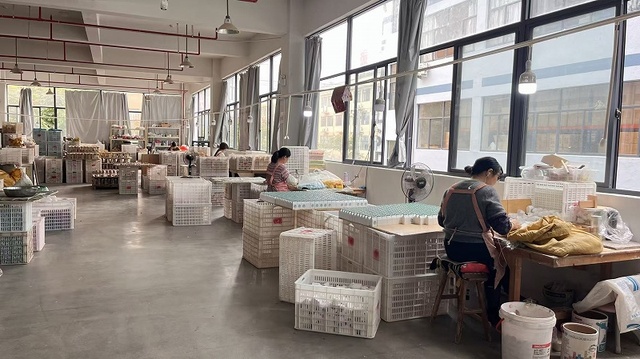
In the contemporary educational and clinical landscape, the design and production of learning toys for children with neurodivergent conditions require a paradigm shift. Established in 2012 in Dongguan, Guangdong, China, Dongguan Briy Toys Co., Ltd. has grown to occupy a pivotal position as an industry-leading educational toy manufacturer. Spanning an expansive 12,000 square meters modern manufacturing facility, we specialize in translating psychological and occupational therapy concepts into durable, safe, and highly effective tangible interfaces.
Our commitment extends beyond generic manufacturing. Under rigorous OEM and ODM methodologies, our 180+ skilled specialists partner with educational institutions, global toy brands, specialized clinical distribution networks, and e-commerce platforms to design, customize, and supply high-integrity sensory and cognitive assets. Our development approach is rooted deeply in the principles of neurodiversity, ensuring that every product supports specific developmental milestones—including sensory integration, fine motor coordination, spatial cognition, and focus enhancement.
Analyzing global demand vectors, supply chain risk mitigation, and target therapeutic specifications.
Distributors and therapeutic boards demand products matched directly to sensory processing challenges (ADHD, ASD, Dyslexia). We align tactile, acoustic, and visual sensory profiles to clinical requirements.
B2B buyers operate in highly regulated import regions (EU, North America). Our structural polymers, sustainably sourced woods, and food-grade silicones guarantee compliance with stringent heavy-metal and phthalate bans.
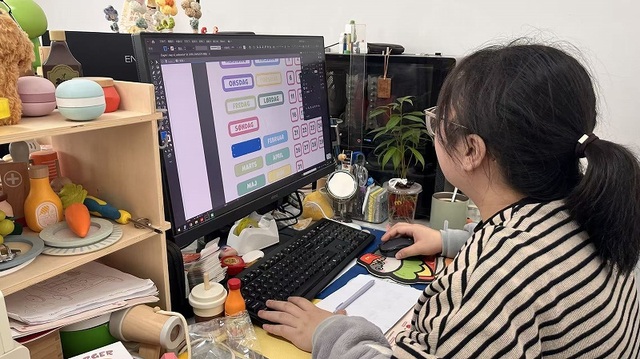
Adapting learning frameworks to regional languages and educational philosophies requires agile manufacturing. We support private-label design modifications from initial CAD layout to final localized packaging.
Our research and development strategy addresses the broad spectrum of childhood development challenges. Rather than creating generic recreational items, we focus on producing structured therapeutic tools that find direct application in classrooms, clinical occupational therapy setups, and home learning environments.
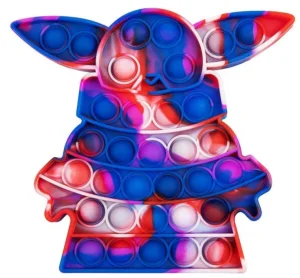
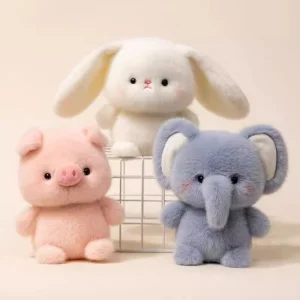
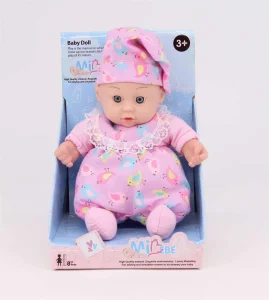
Proprioceptive and Tactile Stimulation: Many neurodivergent children require customized sensory inputs to regulate their nervous systems. Our line of high-grade silicone push-pop fidget toys and soft plush stress-relief companions provide the reliable visual and tactile feedback necessary for emotional self-soothing and anxiety mitigation.
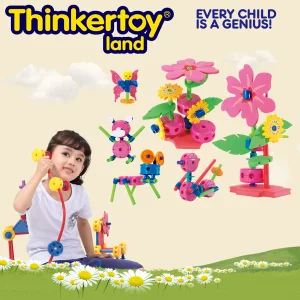
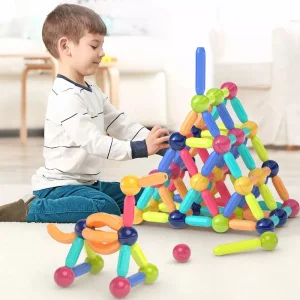
Visual-Spatial and Fine Motor Enhancement: Complex neurological tasks, such as handling test tubes, sliding clip-beads, and aligning magnetic blocks, require refined physical control. We design open-ended and structure-oriented toys that promote manual dexterity, hand-eye coordination, and bilateral integration.
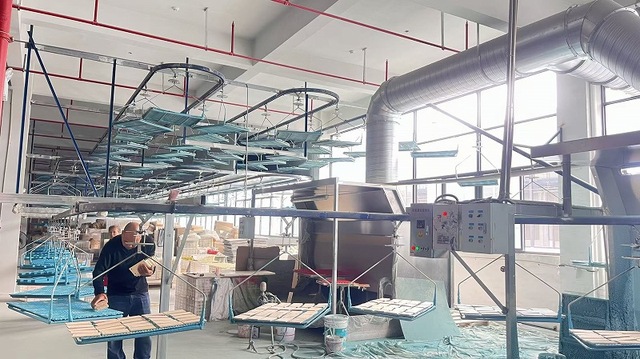
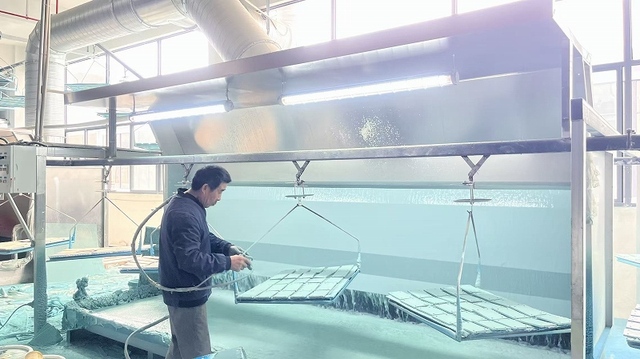
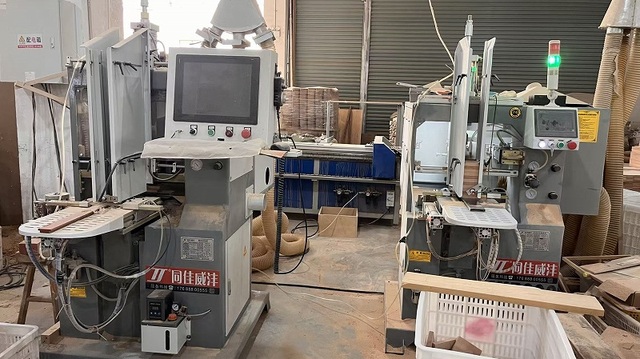
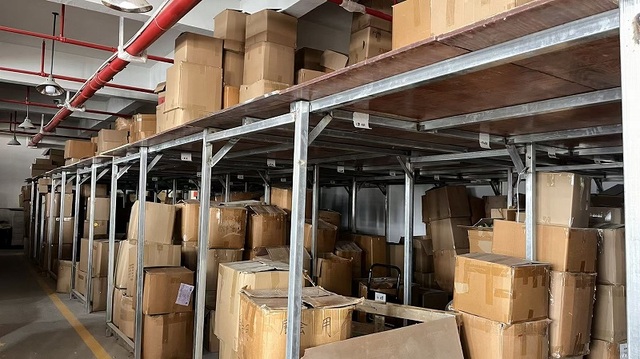
Combining neuroscientific research with material excellence to manufacture premium learning products.
Every toy we build is optimized for specific sensory tolerances. We meticulously control the auditory click output of push-pop tools, the exact magnetism force thresholds in our Neopuzzle blocks (preventing strain or pinch injuries), and the light diffusion levels on our LED light tables. This ensures high therapeutic performance without triggering sensory overload.
We utilize sustainably sourced hardwoods such as beech and maple, coupled with water-based, non-toxic, saliva-resistant coatings. For our plastics and silicones, we use medical and food-grade materials that contain no BPA, phthalates, or VOCs.
Special needs facilities require educational tools that withstand continuous use and impact. Our manufacturing utilizes advanced internal support ribbing, reinforced joints, and thick-walled plastic casings to resist cracking under intense impact.
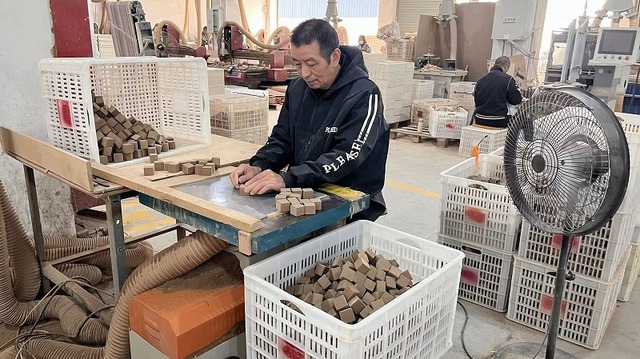
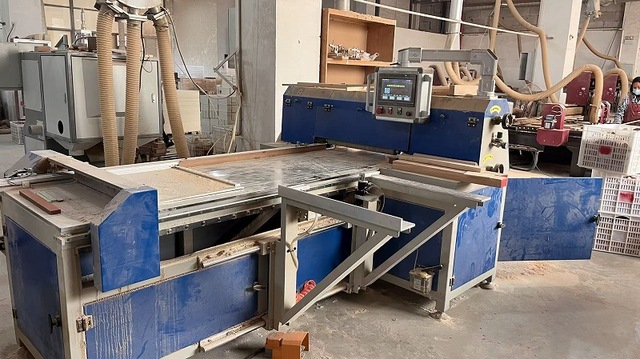
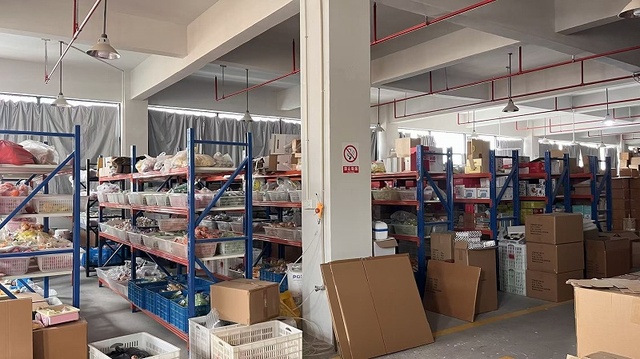
Our 12,000 square meter factory in Dongguan operates state-of-the-art injection molding machines, automated woodworking CNC platforms, precise laser engraving systems, and temperature-controlled clean rooms for assembly and packaging. Our manufacturing capacity processes over 180 individual operational steps to ensure perfect product quality before shipment.
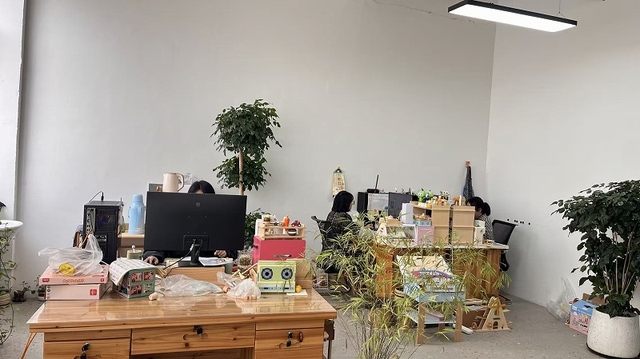
As a global OEM/ODM exporter, Briy Toys manages every step of the development cycle. Our specialized R&D team works closely with occupational therapists, converting physiological concepts into 3D models and functional prototypes. We offer flexible product branding options, custom silkscreen logo printing, and specialized sensory kits tailored to specific educational curriculums.
Guaranteeing secure cross-border logistics and compliance with strict target-market regulations.
All shipments to North America comply with ASTM F963-17, CPSIA (Consumer Product Safety Improvement Act), and carry lead, heavy metals, and phthalate-free laboratory validation certifications.
Products exported to European markets carry the CE mark and undergo comprehensive laboratory testing to satisfy EN71 Parts 1, 2, and 3, along with REACH chemical standards.
Operating under ISO 9001:2015 quality management guidelines, our facility runs strict inbound raw material audits and outbound batch inspections to guarantee reliable quality and trace security.
Answering critical queries on customization, material sourcing, certifications, and volume production.
Special needs learning toys are purposefully engineered to address specific developmental, sensory, or physical challenges. Key differentiators include: calibrated sensory inputs (e.g., controlled acoustic click decibels in fidget items, non-strobing LED light distribution), enhanced durability to withstand repetitive behavior patterns or intense impact, and tactile designs that support physical limitations in motor control and grip. Standard toys prioritize basic recreation, whereas therapeutic toys focus on targeted developmental outcomes.
We source only high-grade, biocompatible raw materials. Our wood products are made from sustainably sourced maple and beech, sealed with non-toxic, saliva-resistant, water-based varnishes. For flexible components, we use food-grade silicone and BPA-free polymers. All materials undergo independent laboratory testing by recognized organizations like SGS and Intertek to ensure compliance with ASTM F963 (US) and EN71 (EU) safety regulations.
MOQ levels vary depending on the product type and material specifications. Generally, standard catalog designs customized with private labeling require an MOQ of 1,000 units. Fully customized ODM projects, which involve custom molds or custom electronics layouts, typically start at 2,000 to 3,000 units. Average production lead times range between 30 to 45 days after prototype confirmation and deposit receipt, depending on seasonal demand and materials.
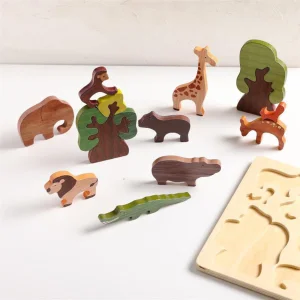
Yes, we specialize in customizing products to align with Montessori, Waldorf, and STEM curriculums. Our design team works with educational specialists to modify shape sorting boards, bead clip sets, and wooden blocks, ensuring they focus on single concepts, promote self-correction, and foster independent tactile learning.
Our facility operates under an ISO 9001:2015 certified framework. We implement a rigorous quality control system divided into three phases: Inbound Raw Material Quality Control (IQC), In-Process Quality Control (IPQC) along the assembly lines, and Final Outgoing Quality Control (OQC) before packing. This process includes mechanical stress testing, pull strength assessments, color-fastness verification, and computerized scanning for metal contaminants in plush components.
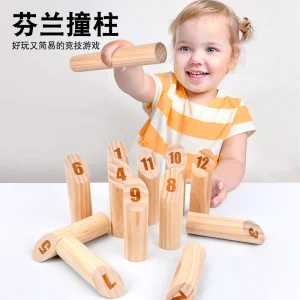
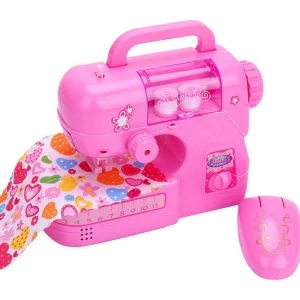
High-performance tools, puzzles, and interactive sets designed to support sensory regulation and early learning.
 Briy Toys