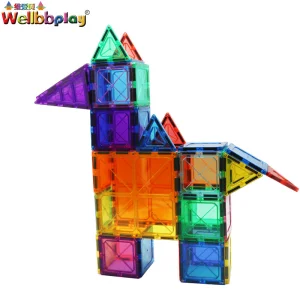
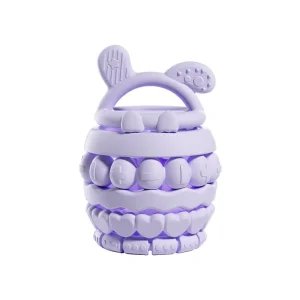
Explore our top-tier manufacturing selections engineered for physical dexterity, early cognitive frameworks, and sensory logic.
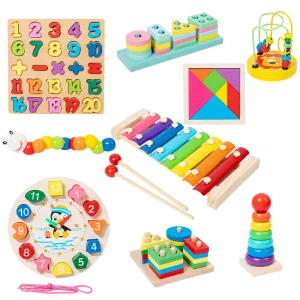
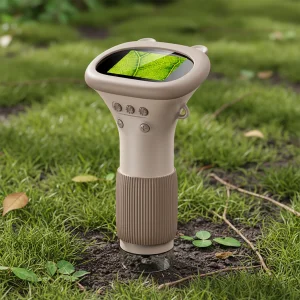
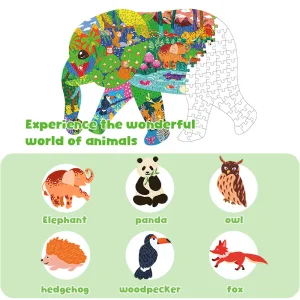
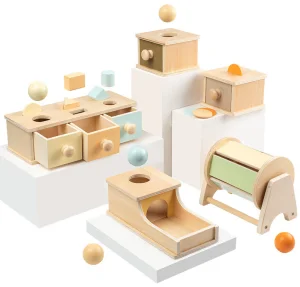
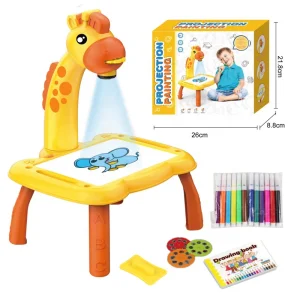
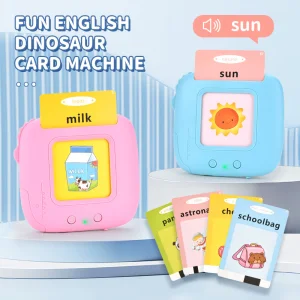
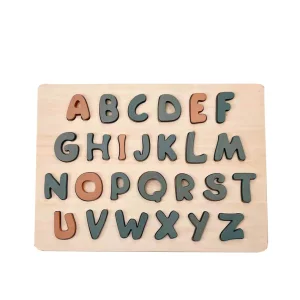
The global market for early childhood development toys has transitioned from producing simple amusement objects to creating specialized cognitive tools. This shift is guided by pediatric neuropsychology, which highlights that a child's brain forms over one million new neural connections every second during the first few years of life. Modern B2B buyers require toys that support specific milestones: tactile exploration, language acquisition, spatial logic, and emotional regulation.
Toy manufacturing now combines pedagogical theories, such as Montessori, Waldorf, and STEM, with industrial engineering. Sourcing professionals must seek products designed to support these developmental stages. Simple, single-function plastic toys are increasingly replaced by multi-sensory educational resources. These modern designs encourage open-ended play, problem-solving, and hand-eye coordination, offering the sensory feedback necessary for motor skill development.
"Early childhood development toys are no longer categorized as simple playthings. They function as foundational tools for cognitive architecture, demanding strict compliance, targeted design, and durable materials."
Global demand is shifting toward organic materials, non-toxic water-based paints, food-grade silicone, and sustainably sourced woods (FSC certified) to ensure safety for young children.
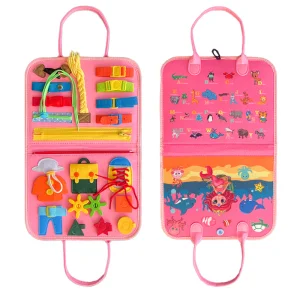
Products focus on tactile learning, real-world skill simulation (like busy boards and coin boxes), and child-led exploration that respects natural development.
Integrating digital visualization, optics, and basic structural engineering concepts into toddler-friendly interfaces to prepare them for a technology-driven future.
For international enterprise buyers, importing early childhood development toys requires strict adherence to safety standards. Unlike general consumer goods, children's toys are subject to intensive safety checks due to chemical, mechanical, and physical risks. Compliance with these standards is necessary for entering major global markets.
At Dongguan Briy Toys Co., Ltd., safety compliance is built directly into our manufacturing processes. We source raw materials with full traceability and subject our finished goods to rigorous testing. Key global safety regulations include:
Specifies safety requirements for toys. Compliance with EN71 parts 1, 2, and 3 (mechanical properties, flammability, and heavy metal migration) is required for CE marking.
Regulates heavy metals, phthalates, small parts hazards, and physical durability. Requires third-party testing at CPSC-accepted laboratories.
Aligns with global frameworks to standardize safety criteria, focusing on choking hazards, sharp edges, and toxicological risks in play items.
Mandatory regional testing focusing on choking risks for children under 36 months, lead levels, and magnetic component strength.
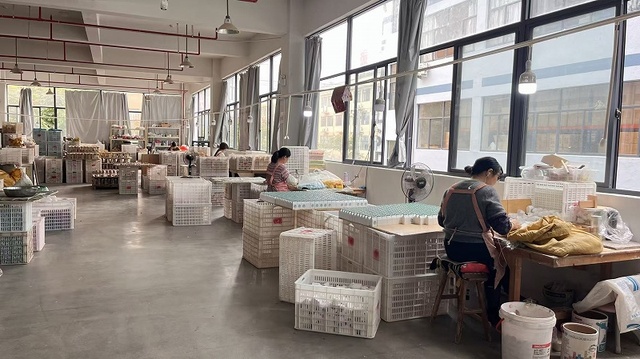
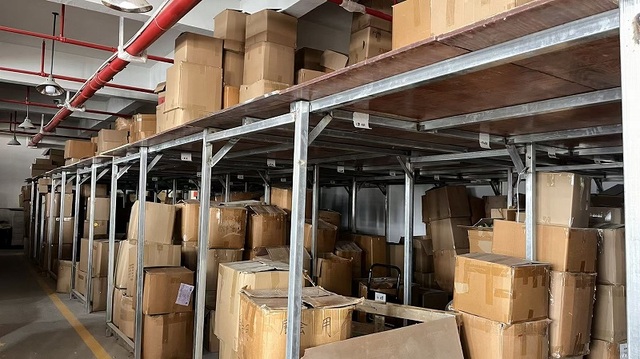
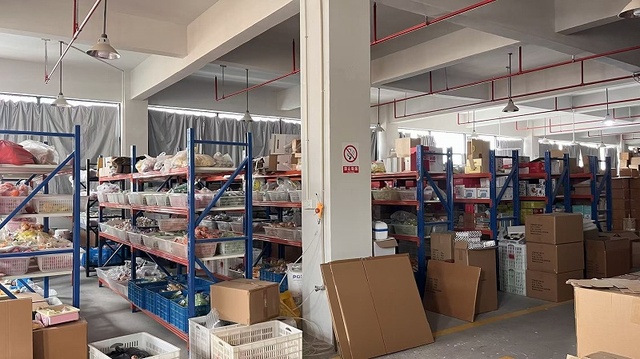
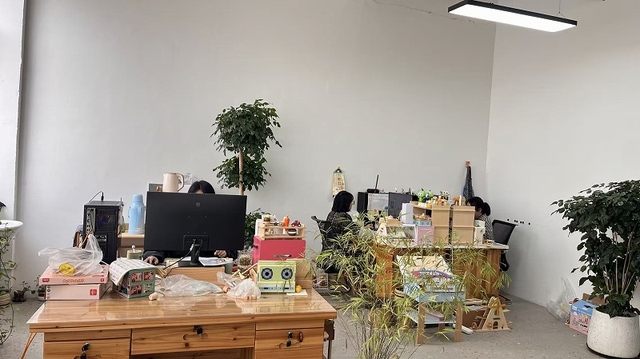
Dongguan, Guangdong is a global hub for toy manufacturing, supported by established raw material networks, specialized mold makers, and skilled labor. Dongguan Briy Toys Co., Ltd., established in 2012, operates a modern 12,000-square-meter facility with more than 180 employees. We utilize advanced production techniques to offer reliable, cost-efficient, and customizable toy manufacturing.
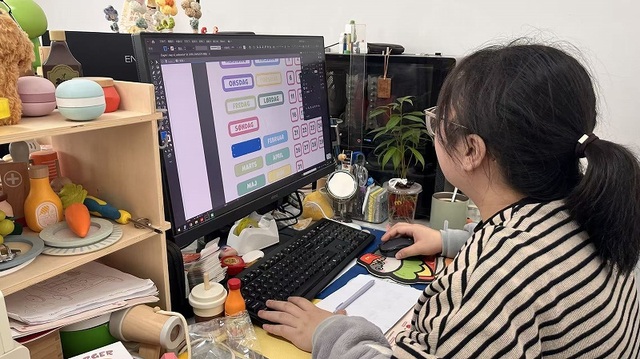
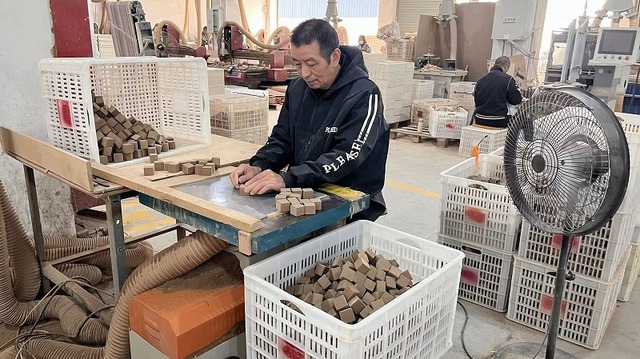
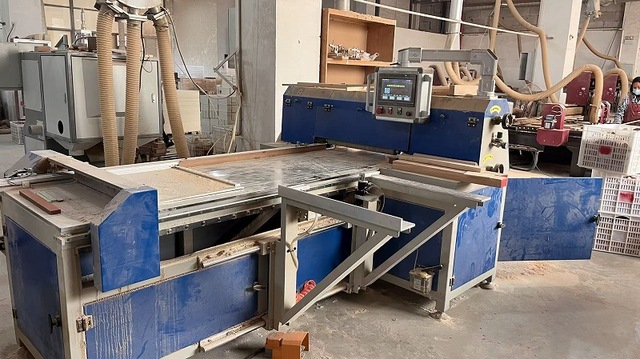
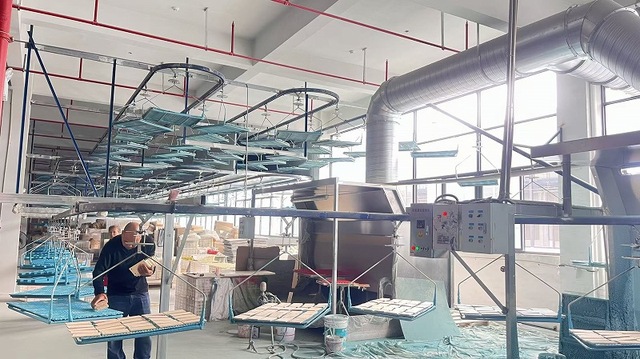
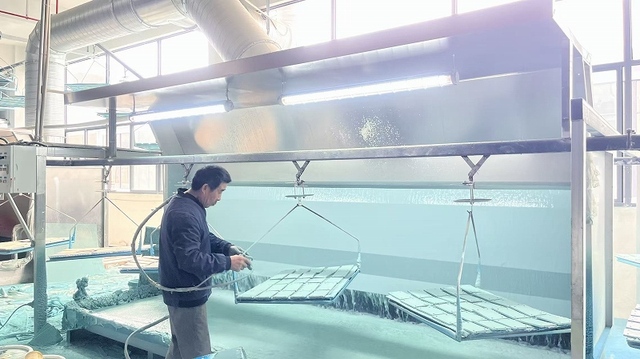
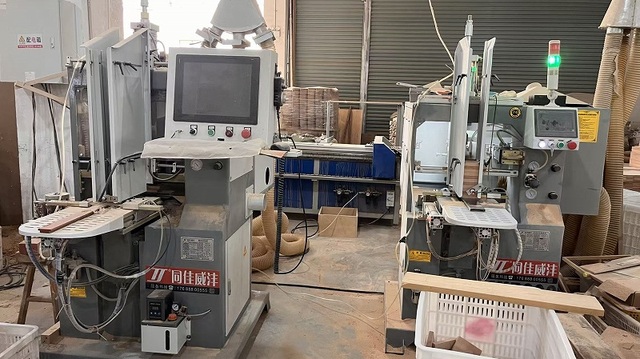
Our vertical integration includes product design, raw material testing, high-volume injection molding, precise woodwork, assembly, and automated packaging. This structure helps minimize production bottlenecks and supports supply chain resilience for international partners.
Inside Dongguan Briy Toys: A look at our high-volume production areas, clean assembly lines, and raw material processing.
Early childhood development toys are used in a variety of learning and play environments, each with specific requirements for durability, design, and function:
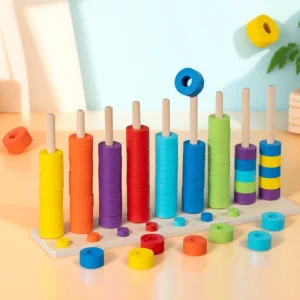
Early Childhood Education (ECE) Classrooms & Daycares: Toys in these environments are subjected to heavy daily use. They need to be made from durable hardwoods or high-density polymers, features designs that prevent pinching, and be easy to sanitize. Our Montessori wood range is designed specifically to meet these institutional standards.
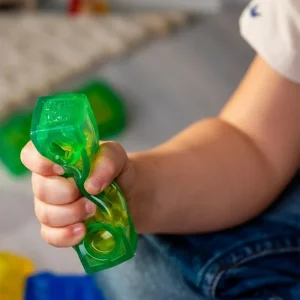
Sensory Integration Rooms & Therapy Centers: Pediatric occupational therapists use specialized sensory toys to support children with ADHD, autism spectrum disorders, or sensory processing differences. High-tactile silicone components, soft building blocks, and busy boards help develop fine motor control and support sensory modulation.
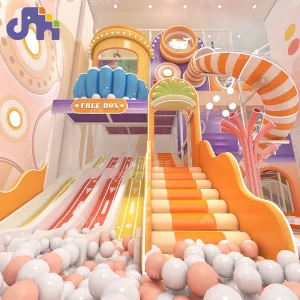
Commercial Play Areas & Soft Play Complexes: Public play areas require larger structural toys that can withstand continuous use. These installations must utilize durable materials, non-toxic finishes, and shock-absorbing designs to protect children during active play.
B2C Retail & E-commerce Distribution: For brands selling on platforms like Amazon, Shopify, or in boutique stores, packaging design, clear assembly instructions, and lightweight shipping profiles are key. Our OEM/ODM team helps clients customize packaging, include multi-language instruction manuals, and optimize product sizes to manage shipping costs.
Designed for collaborative play, early STEM exploration, and fine-motor coordination.
Get professional answers regarding safety certifications, raw material selections, custom manufacturing capabilities, and global logistics coordination.
 Briy Toys