Explore our premium grade educational hardware designed to foster coding literacy, algorithmic thinking, and structural engineering capabilities.
The global educational landscape is undergoing a systemic paradigm shift. Traditional rote learning methodologies are rapidly yielding to hands-on, multidisciplinary approaches centered around Science, Technology, Engineering, and Mathematics (STEM). At the vanguard of this pedagogical evolution is the robotics educational toy sector. Once classified as niche novelty items, programmable robots, modular electronic building bricks, and algorithm-based play patterns have emerged as core infrastructures in modern primary, secondary, and tertiary curriculums worldwide.
For global importers, educational institutions, toy distributors, and brand owners, navigating the procurement of high-tech robotics kits requires a sophisticated understanding of mechanical hardware reliability, software scalability, open-source compatibility, and international product safety standards. This document acts as an industry whitepaper, exploring supply chain dynamics, engineering considerations, and technological paradigms guiding the procurement of robotics educational kits from top-tier Chinese manufacturing hubs.
According to recent market analytics, the global educational robotics market is projected to reach USD 3.5 billion by 2030, exhibiting a Compound Annual Growth Rate (CAGR) of over 16.5%. The core drivers behind this growth include early government interventions introducing coding into primary school curricula (such as in the UK, Singapore, and parts of the USA), and the commercial growth of after-school STEM academies.
As a professional B2B buyer, understanding the user intent of end consumers is vital:
Dongguan Briy Toys Co., Ltd., established in 2012 in Dongguan, Guangdong, China, stands at the absolute epicenter of the world's most advanced toy and electronics manufacturing cluster. Over the past several decades, Dongguan has transitioned from a basic assembly floor into a high-technology industrial ecosystem where hardware design, electronic engineering, plastic injection mold fabrication, and precision logistics coexist within a 15-kilometer radius.
Briy Toys operates an expansive manufacturing facility spanning over 12,000 square meters, powered by a dedicated workforce of 180+ highly skilled professionals. Our infrastructure allows us to control the entire manufacturing lifecycle, maintaining structural integrity across various material domains (from traditional ABS plastics to complex electronic components, sensors, and geared motors).
When selecting your product portfolio, categorizing robotics kits by their technological tier is vital for catering to distinct user demographics:
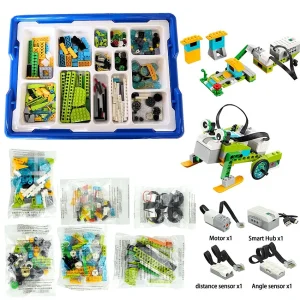
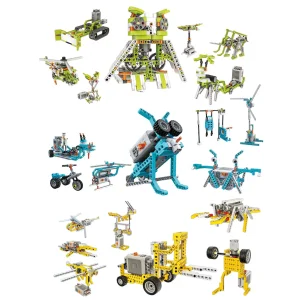
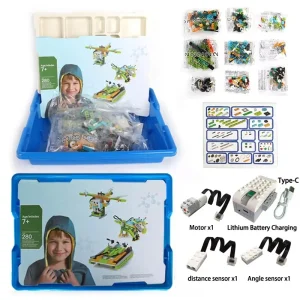
These systems focus on structural assembly, simple gear trains, and basic physical computing. Products like our Wedo 3.0 Robotics Construction Set (fully compatible with Wedo 2.0) allow children to build motorized models while learning drag-and-drop graphical programming. These units rely on smart hubs, medium motors, tilt sensors, and motion sensors.
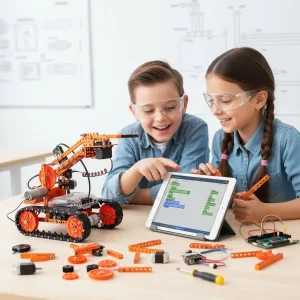
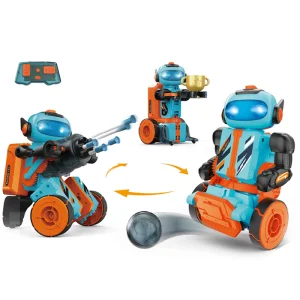
Focuses on transitioning from graphical interfaces to real-world code (Scratch to Micro:bit). Products like the DIY Microbit Robot Kit allow children to write algorithms that utilize on-board LED arrays, accelerometers, temperature sensors, and radio communication protocols. Ideal for classroom environments exploring environmental sensors and automated vehicles.
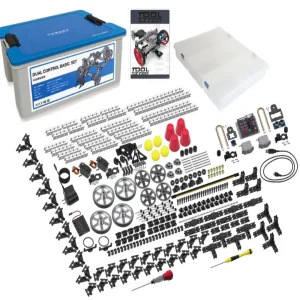
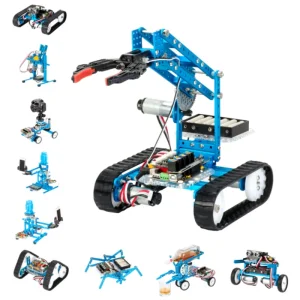
Targeted at secondary schools, coding camps, and hobbyist competitions. The Makeblock mBot Ultimate 10 in 1 Robot Kit represents this peak, combining high-grade anodized aluminum mechanical structures with Arduino C & Raspberry Pi compatibility. Supporting up to 10 distinct assemblies, these kits offer high-torque encoder motors, robotic grippers, and wireless APP remote control.
Dongguan Briy Toys Co., Ltd. views safety compliance not as an option, but as the foundational cornerstone of our global supply chain partnerships. Because our products integrate physical plastic structures with batteries, circuit boards, and wireless transmitters, they undergo exhaustive testing protocols.
We work in tandem with recognized international laboratory bodies (SGS, TUV, Intertek) to ensure all customized and mass-produced units meet the standard requirements of various target markets:
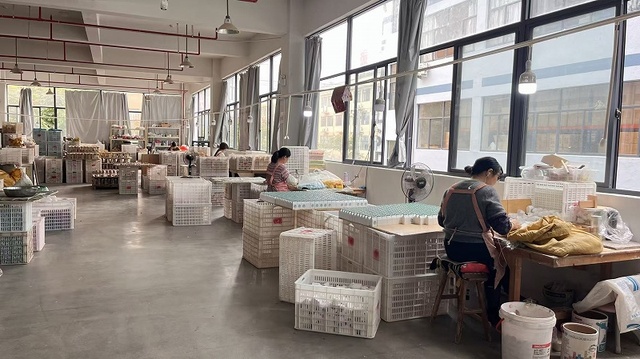
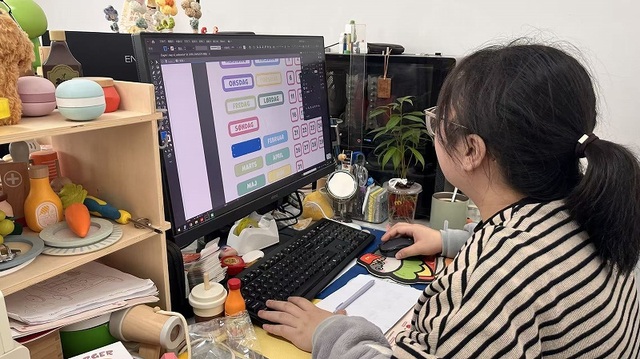
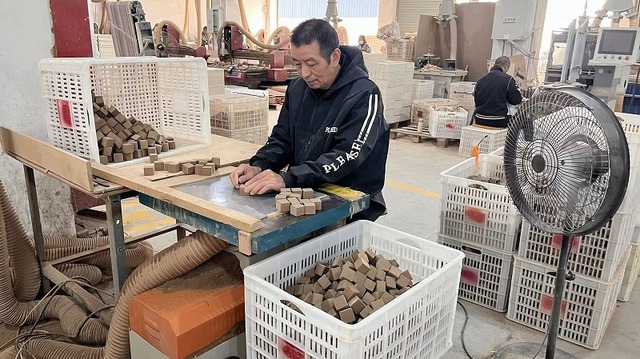
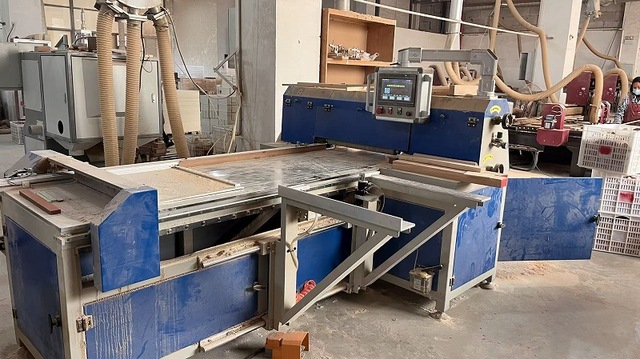
A visual walk-through of our 12,000+ square meter Dongguan facility, detailing assembly lines, molding workshops, and quality check stations.
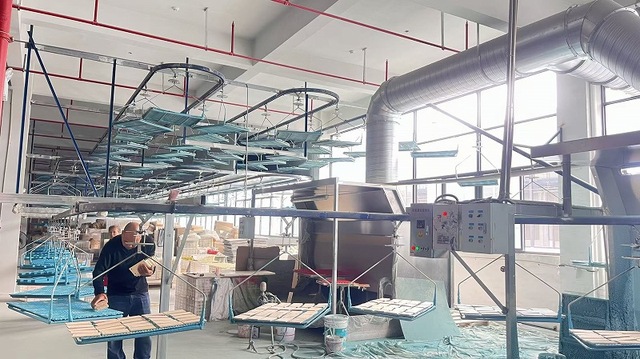
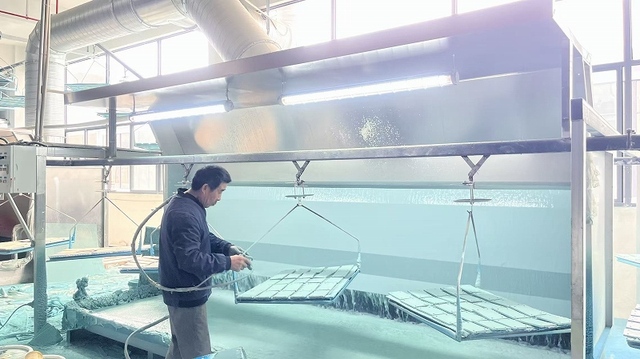
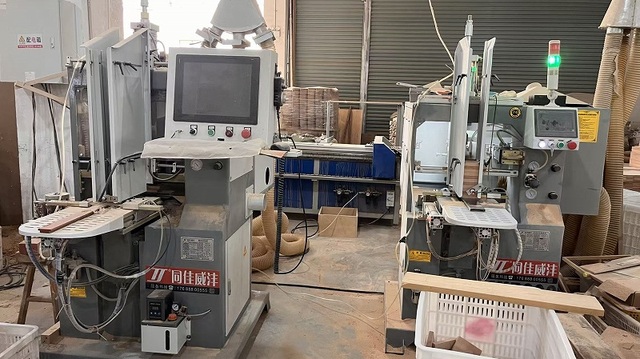
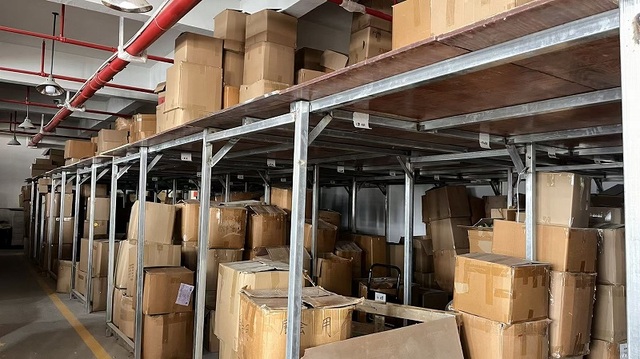
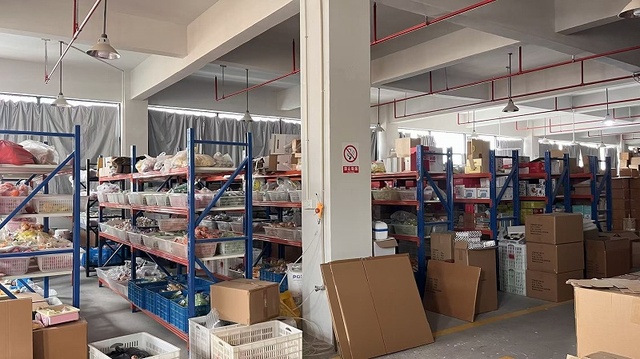
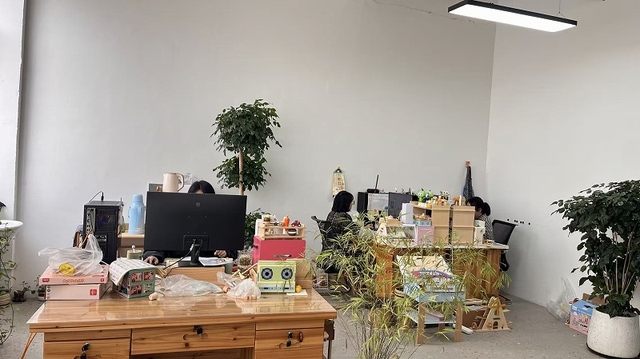
The true utility of robotics educational products lies in their localized application scenarios across global educational systems. Our products are engineered to fit directly into diverse scenarios:
Equipping schools with robotics hardware requires modularity. Solutions like the Wedo 3.0 Core Set Building Blocks are designed to be set up within 5 minutes, allowing a typical 45-minute science class to maximize its coding and building exercises. These tools allow science teachers to construct physical representations of geological faults, biological movement models, and elementary physics machines.
After-school coding academies require multi-stage curricula that justify long-term student enrollment. Products like the Makeblock mBot Ultimate 10 in 1 and 21in1 Science Robotics Kit provide a pathway for students to progress from basic motor control to advanced pathfinding, sensor arrays, and IoT telemetry over several semesters.
Competitive robotics teach team collaboration, iterative testing, and high-pressure problem solving. Our professional competition kits feature sturdy structural connections, precise motor control, and flexible programming languages (C/C++), giving student teams a reliable platform to perform line-following, maze navigation, and dynamic object handling.
Sourcing high-tech toys from China requires a robust manufacturing partner that handles logistical and design complexities. Dongguan Briy Toys Co., Ltd. provides comprehensive support to ensure optimal product landing:
Essential insights for wholesale buyers, importers, and educational distributors.
Discover our range of advanced mechanical sets, programmable units, and component packages for competitive learning environments.
 Briy Toys