Explore premium, high-integrity educational tools designed specifically to meet international pedagogical standards and sensory training methodologies.
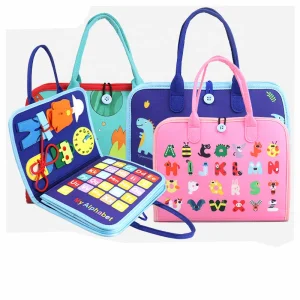
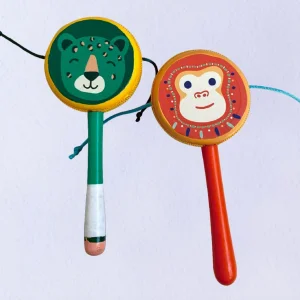
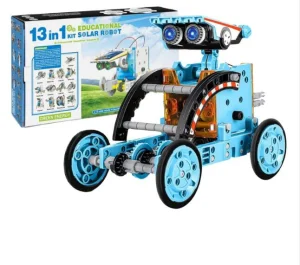
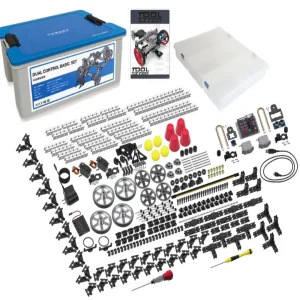
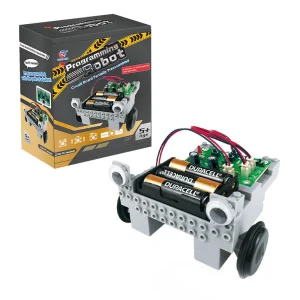
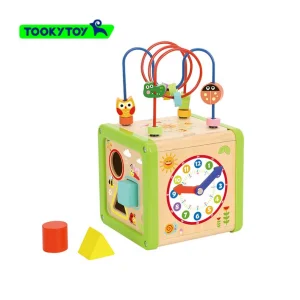
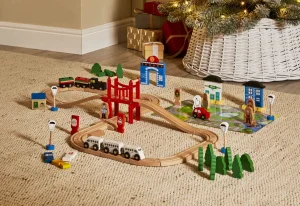
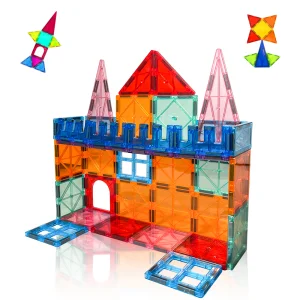
In the arena of early childhood education (ECE), the Montessori methodology occupies a highly respected position. Grounded in independent discovery, sensory engagement, and child-led execution, the pedagogical model places strict architectural demands on the physical tools and materials inside a classroom. Educational buyers, school proprietors, and global wholesale distributors must recognize that sourcing Montessori classroom supplies is not merely a transaction of toys; it is a critical process of selecting materials that meet exact standards of dimensions, weight distribution, and tactile feedback.
The contemporary global Montessori environment faces dynamic structural challenges. Historically restricted to premium private institutions in Western markets, Montessori environments are experiencing rapid growth in public education sectors and developing regions across Latin America, East Asia, and the Middle East. With this democratization comes an increased demand for cost-effective, high-volume production structures without compromising structural integrity. This whitepaper analyzes how B2B buyers can identify and collaborate with top-tier suppliers capable of delivering compliance, scalability, and structural innovation.
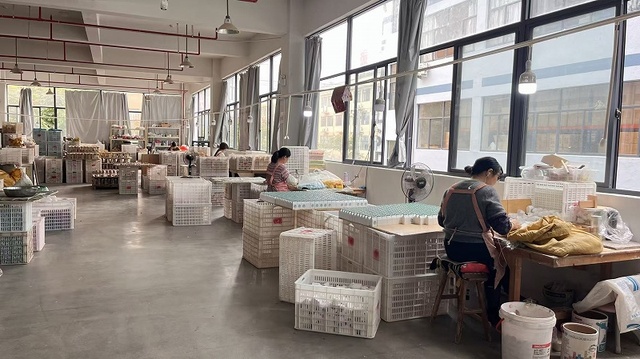
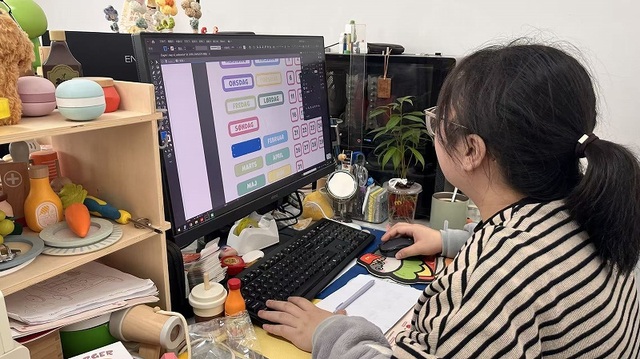
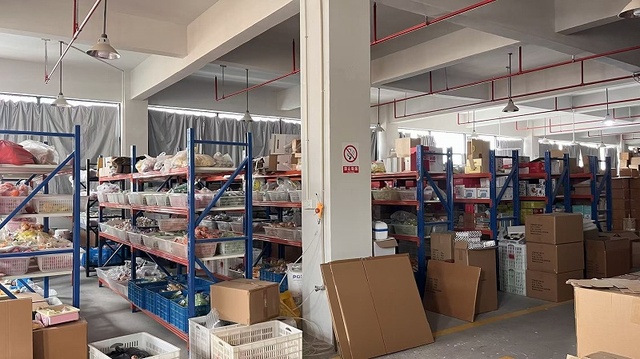
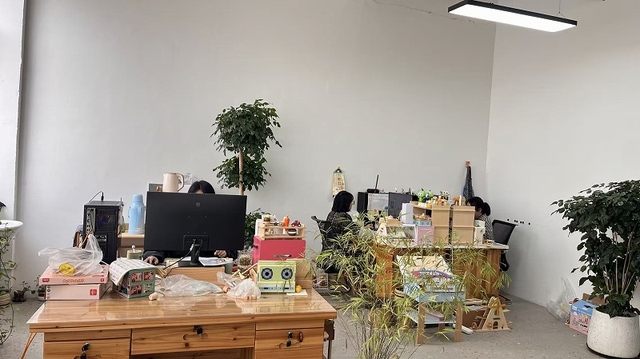
Established in 2012, Dongguan Briy Toys Co., Ltd. serves as a key industrial example of modern B2B manufacturing in the educational sector. Located in Dongguan, Guangdong, China—the world’s manufacturing hub—the enterprise has evolved from a local factory into an internationally integrated OEM/ODM supplier. Operating from a facility that spans over 12,000 square meters, the company employs over 180 skilled technicians and design specialists to ensure all educational aids adhere to international safety and pedagogical criteria.
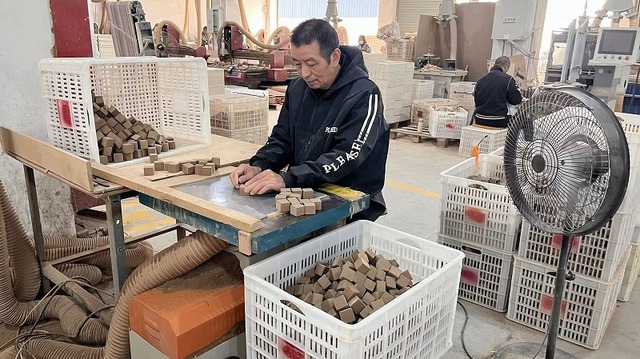
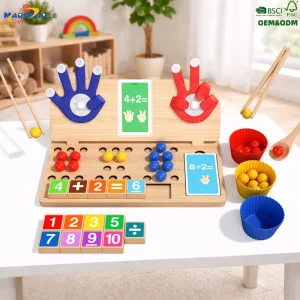
Briy Toys’ manufacturing scope covers preschool learning tools, sensory materials, cognitive development sets, STEM configurations, and traditional Montessori-inspired wooden instruments. By maintaining close oversight of raw material selection and leveraging automated production lines, the company offers reliable supply chain services to global toy brands, schools, boutique learning centers, and e-commerce business models.
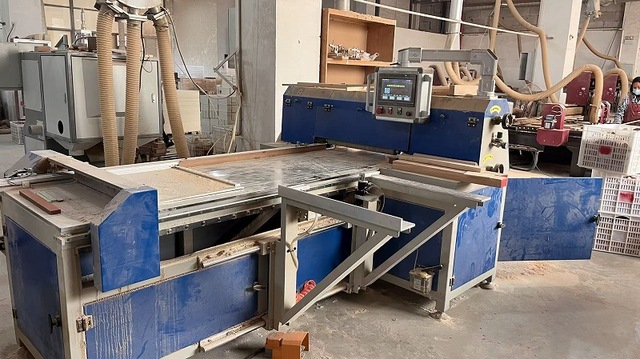
To demonstrate manufacturing capacity and commitment to transparency, the following gallery showcases the infrastructure at Briy Toys:
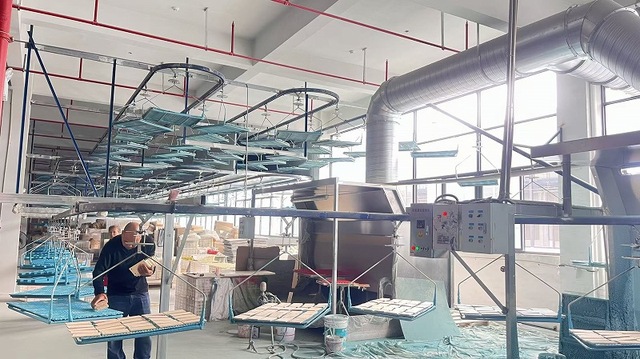
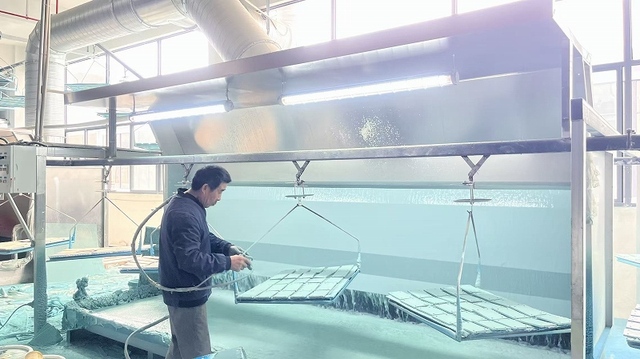
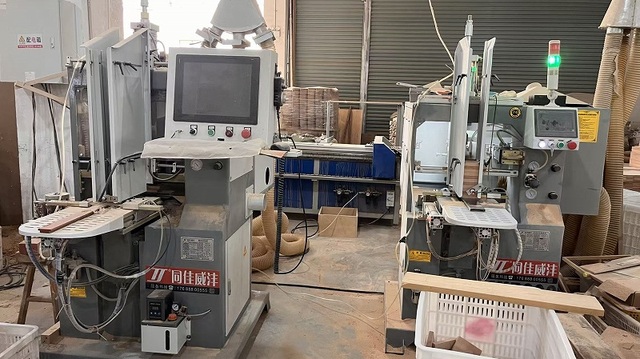
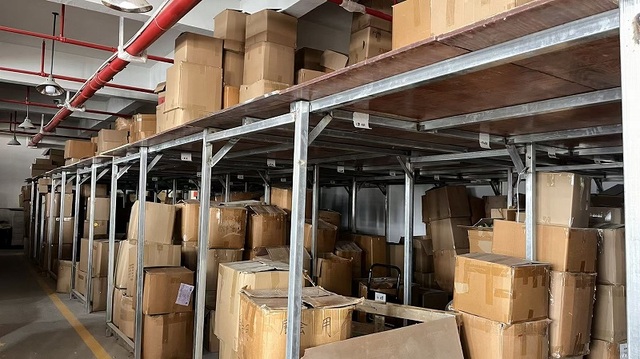
According to Google's Search Quality Rater Guidelines, content addressing physical safety and significant capital investments (Your Money or Your Life - YMYL) requires high levels of Experience, Expertise, Authoritativeness, and Trustworthiness (E-E-A-T). When sourcing Montessori classroom materials, B2B procurement officers must evaluate suppliers through a structured framework:
Educational requirements for Montessori classrooms differ significantly across global regions due to local educational regulations, cultural contexts, and variations in spatial layout:
In North America, public charter Montessori schools are growing alongside private schools. Sourcing demands focus on large-format sensory equipment, sturdy furniture, and STEM-hybrid materials. Compliance with the Consumer Product Safety Improvement Act (CPSIA) is mandatory, necessitating detailed safety labeling.
European schools emphasize traditional designs, sustainability, and minimal ecological impact. FSC certification and plastic-free packaging are frequently required. European buyers prefer materials made from solid timber, like birch and beechwood, with matte, non-glossy, natural finishes.
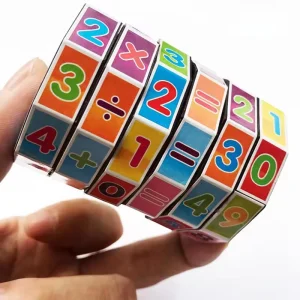
In urban East Asian centers, Montessori methods are frequently adapted to space-constrained classrooms or home-schooling environments. This has driven demand for multi-functional materials (such as convertible learning cubes and folding busy boards) that support sensory training in smaller footprints.
Globally, Montessori tools are increasingly utilized in therapeutic environments for neurodiverse learners, including those on the autism spectrum. Weighted blocks, high-contrast textiles, and sound-based sorting cubes are selected to assist with sensory processing and fine-motor development.
Leading toy manufacturers are transitioning from manual assembly methods to advanced production processes to improve scale and precision:
Integration of computer-numerical control (CNC) routing machinery ensures component accuracy within ±0.05mm. This level of precision is necessary for mathematical beads and interlocking puzzles to fit together smoothly and consistently.
Development of biodegradable bonding agents, bio-based non-toxic colors, and water-repellent coatings derived from natural plant resins. This reduces chemical footprints while maintaining surface resilience against moisture and saliva.
Smart factories utilizing automated assembly, real-time quality control scanning, and direct logistics tracking. Designers are also researching hybrid physical-digital materials that maintain tangible sensory engagement while providing progress tracking for educators.
The toy manufacturing ecosystem in Dongguan, China offers structural advantages that are difficult to replicate in other regions. This concentration provides significant benefits for global buyers:
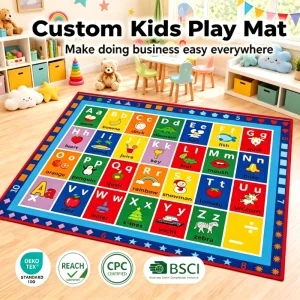
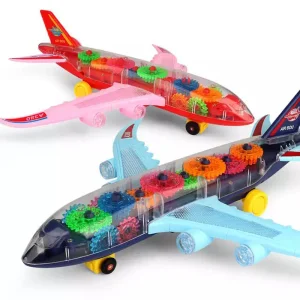
Discover additional high-quality, durable learning aids designed for classrooms, retail distribution, and early learning centers.

 Briy Toys