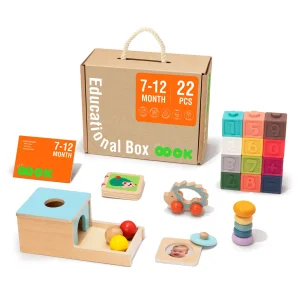
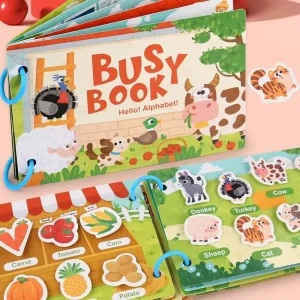
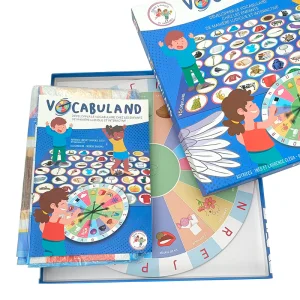
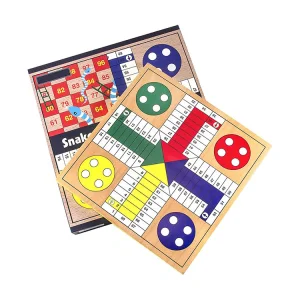
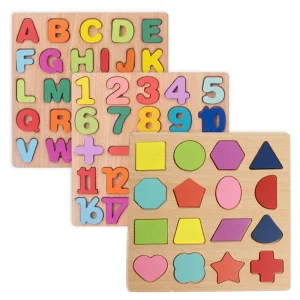
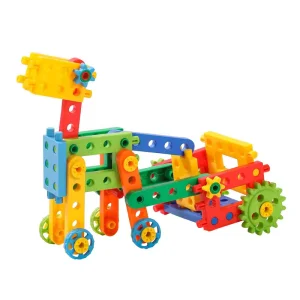
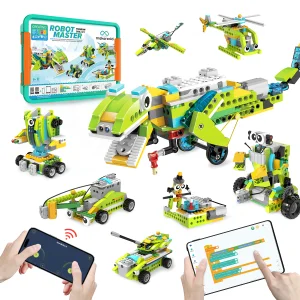
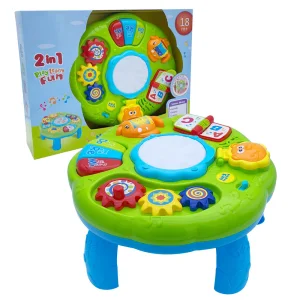
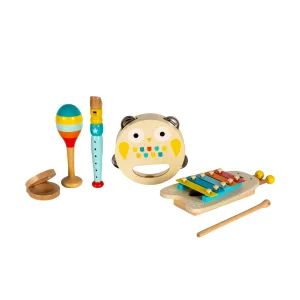
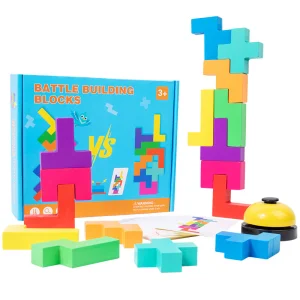
Highly accredited tactile educational toys engineered for early cognition, logical thinking, and motor skill training.
Global STEM Toy Market (2024)
Educators Prefer Tactile Manipulatives
ASTM & EN71 Compliant Sourcing
Leading Worldwide Sourcing Hub
In the global educational market, the paradigm shift from rote memorization to active, inquiry-based learning has accelerated the demand for physical teaching aids. Often referred to as **mathematics manipulatives**, these tools bridge the gap between abstract concepts and concrete understanding. Grounded in the developmental theories of Jean Piaget and Jerome Bruner, physical tools facilitate the Concrete-Pictorial-Abstract (CPA) instructional approach.
By physically manipulating objects—such as stacking blocks, counters, geometric shapes, and fraction bars—young learners build neural pathways associated with spatial reasoning, arithmetic subitizing, and algebraic logic. For educational brands, B2B wholesale buyers, and institutional supply chains, selecting a competent mathematics manipulatives factory is not merely a purchasing decision; it is a critical investment in pedagogical accuracy, child safety, and supply chain continuity.
When audit teams evaluate global suppliers, safety certifications, material integrity, and regulatory compliance sit at the top of the priority list. Top-tier manufacturers must possess the capabilities to meet rigorous international frameworks:
State-of-the-art laboratory testing ensures every batch of silicone, wood, and plastic complies with global non-toxicity and chemical restriction mandates.
Mathematical objects must feature absolute dimensional stability. Base-ten blocks, fraction strips, and geometric shapes are molded within micro-tolerances.
Integrating FSC-certified beechwood, organic bamboo, and post-consumer recycled plastics aligns with international sustainability standards.
Demonstrating peak performance under these rigorous standards is Dongguan Briy Toys Co., Ltd., a professional educational toy manufacturer located in Dongguan, Guangdong, China. Established in 2012, the company specializes in the design, development, and production of educational toys that support children's learning, creativity, and cognitive development.
With a modern manufacturing facility covering over 12,000 square meters and a team of more than 180 skilled employees, Briy Toys serves customers worldwide through reliable OEM and ODM manufacturing services.
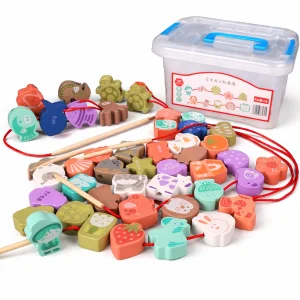
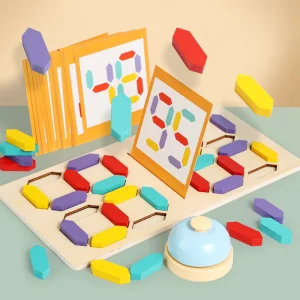
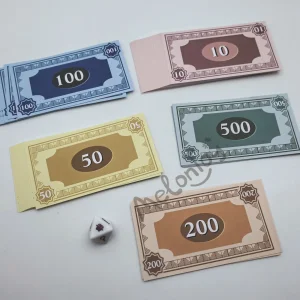
The company's product portfolio includes preschool learning toys, sensory toys, cognitive development toys, STEM educational toys, Montessori-inspired learning materials, wooden educational toys, activity sets, puzzle games, and early childhood learning products. Designed to promote problem-solving, motor skills, creativity, and independent learning, Briy Toys' products are widely used by toy brands, educational institutions, retailers, wholesalers, and e-commerce businesses.
Dongguan Briy Toys operates advanced production lines and follows strict quality control procedures throughout every stage of manufacturing, from raw material sourcing and product development to final inspection and packaging. The company places strong emphasis on product safety and compliance with international standards, helping customers meet the requirements of different global markets.
Supported by an experienced R&D team, Briy Toys continuously develops innovative educational toy solutions that align with evolving learning trends and consumer preferences. The company offers flexible customization services, including product design, branding, packaging, and private-label manufacturing. Committed to quality, innovation, and long-term partnerships, Dongguan Briy Toys Co., Ltd. strives to be a trusted China educational toys factory providing preschool learning toys, sensory toys, and cognitive development products to customers around the world.
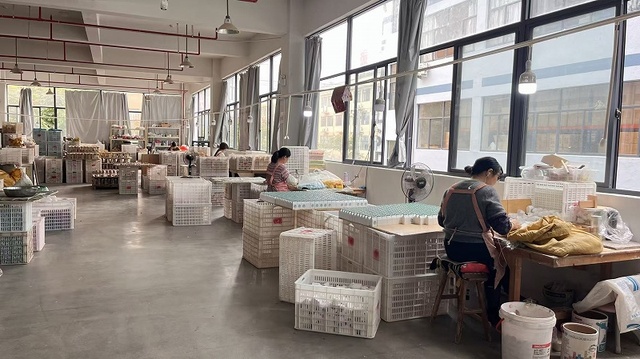
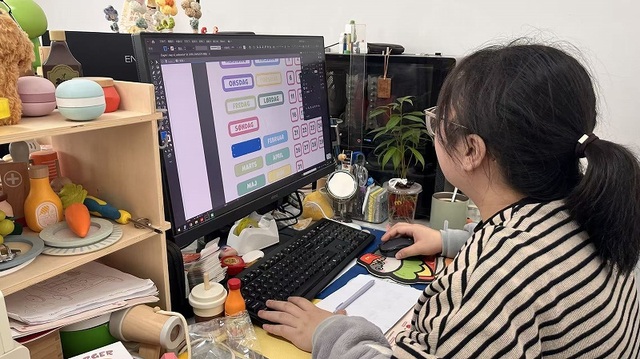
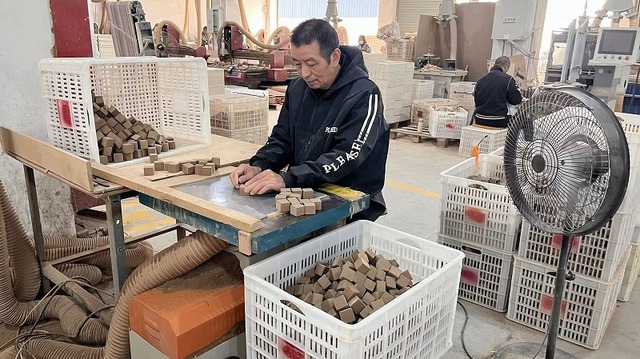
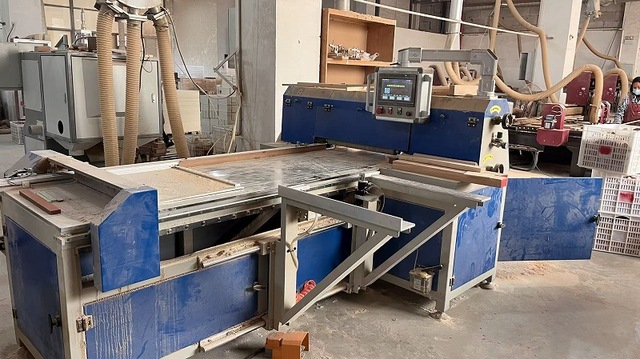
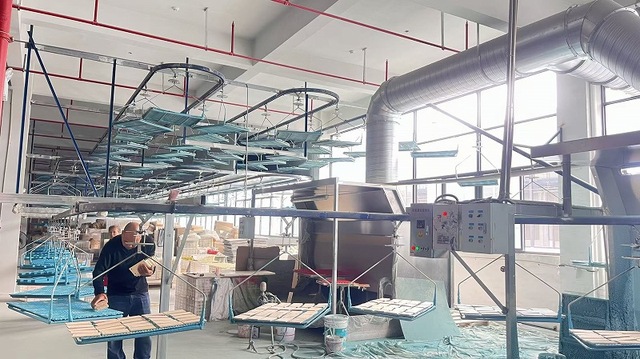
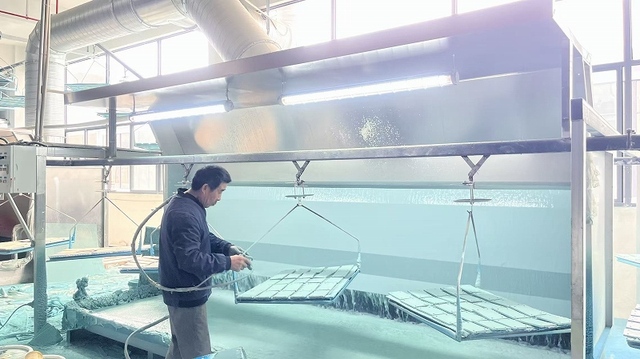
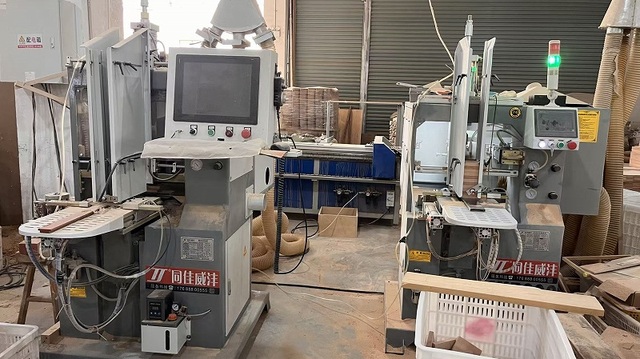
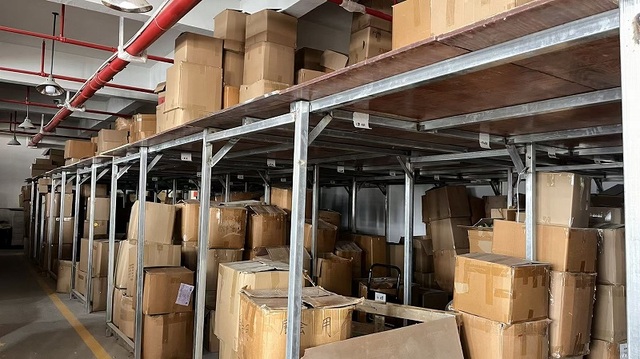
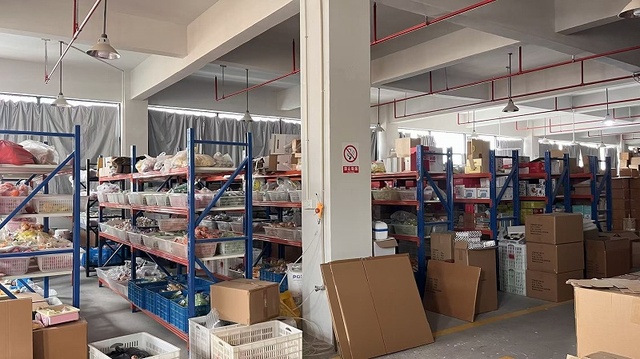
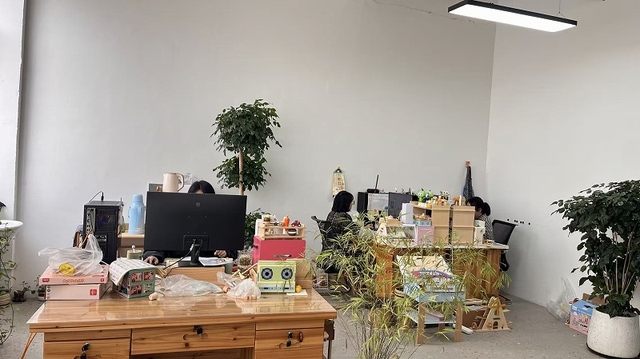
When sourcing educational math products, global buyers consistently turn to factories in China's industrial hubs, particularly Dongguan, Guangdong. These advantages encompass several key dimensions:
The global demand for math manipulatives is highly dependent on national educational curriculums. A professional supplier must align its product designs with these micro-requirements:
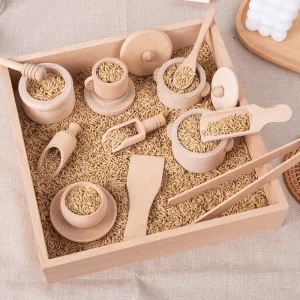
Montessori Method: Focused on self-directed, tactile exploration. Products like sensory bins, stacking blocks, and bead systems require precise natural tactile feedback. Organic coatings are prioritized to allow safe oral exploration for toddlers.
Singapore Math (CPA Approach): This curriculum requires materials structured for step-by-step cognitive advancement. Visual aids such as number bonds, place-value disks, and bar-model boards must be logically organized and visually distinct.
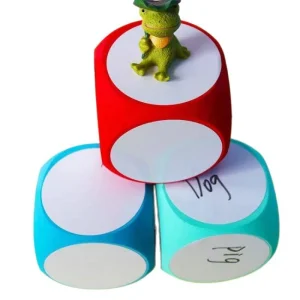
Common Core & STEM (North America): Focuses on hands-on critical thinking. Math tools must encourage open-ended problem solving. These include erasable classroom dice, coding logic puzzle boards, and customizable activity blocks that integrate with engineering-centric programming modules.
Advanced sensory, motor training, and logical thinking development tools from certified manufacturing lines.
 Briy Toys