Engineered for high tactical response, sensory processing therapy, and early motor skill rehabilitation.
Belgium possesses one of the most advanced healthcare, early intervention, and special educational frameworks in Europe. The country is split into three main educational jurisdictions—Flanders (Dutch-speaking), Wallonia (French-speaking), and the Brussels-Capital Region. Each region demonstrates a rising demand for therapeutic play solutions, largely driven by progressive integration programs such as the Flanders Leersteundecreet (Learning Support Decree), which emphasizes inclusive education in mainstream schools. Under these regulations, educational facilities must provide customized sensory and motor skill development tools to students diagnosed with Autism Spectrum Disorder (ASD), ADHD, sensory processing disorders, and other neurological variations.
Furthermore, Belgium is characterized by a high concentration of specialized care clinics, child psychologists, and occupational therapists who prescribe play-based therapeutic protocols. The market has expanded from traditional wooden toy options into advanced, high-precision multisensory materials. B2B buyers—ranging from educational distributors, public procurement networks, and municipal school boards to dedicated therapy centers—face unique supply challenges. They must secure high-quality products that conform not only to the general EU Toy Safety Directive 2009/48/EC but also meet localized sensory integration criteria, such as those established by the popular Belgian "Snoezelen" multisensory rooms concept.
Special needs learning toys are not merely recreational items; they are essential cognitive orthotics. In Belgium, occupational therapy practices and inclusive classrooms employ these tools across specific therapeutic verticals:
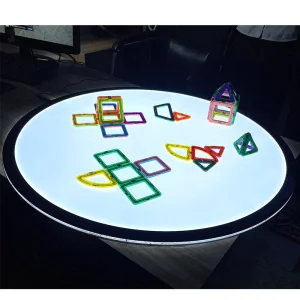
Sensory integration tools are calibrated to stimulate specific sensory pathways—proprioceptive, vestibular, tactile, and visual. For Belgium's widespread Snoezelen sensory spaces, light tables, high-contrast visual guides, and textured toys are critical. They help children regulate emotional responses, decrease self-stimulatory behaviors, and focus their attention during learning sessions.
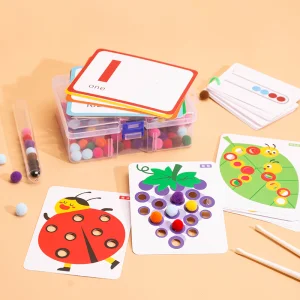
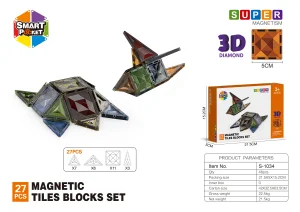
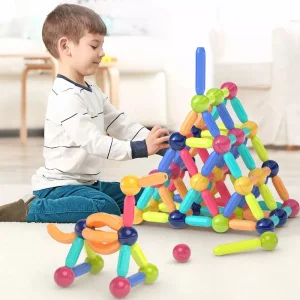
In pediatric rehabilitation clinics in Brussels and Antwerp, clinical specialists use magnetic blocks, clip bead games, and precision sorting tools to address developmental coordination disorders (DCD). These toys isolate specific grip patterns—such as the pincer grasp and tripod grasp—enhancing hand-eye coordination, muscle memory, and spatial reasoning.
For children experiencing speech delays or non-verbal autism, interactive toys serve as bridges for cognitive and emotional communication. Tactile puppets, social-emotional learning dolls, and sequence-based desktop puzzles foster interpersonal interaction, non-verbal expression, and early conversational flow within pediatric care environments.
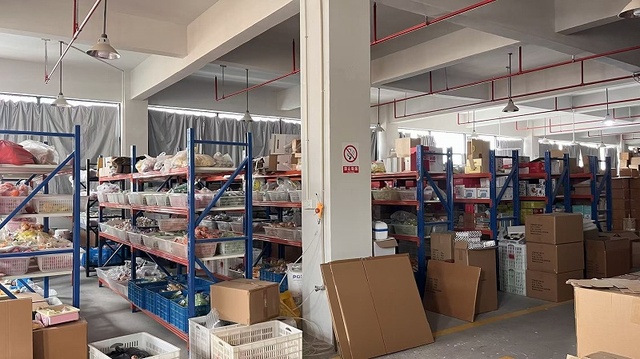
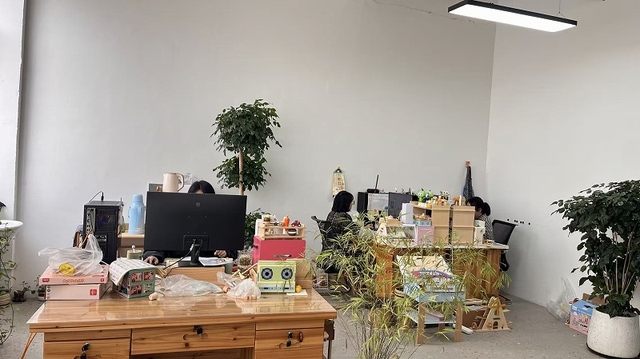
Established in 2012, Dongguan Briy Toys Co., Ltd. has grown into a leading educational toy manufacturer situated in Dongguan, Guangdong, China. Spanning a state-of-the-art facility of over 12,000 square meters and supported by a workforce of more than 180 highly skilled professionals, Briy Toys is dedicated to the development and mass production of premium educational and therapeutic toys. Our comprehensive product portfolio includes sensory toys, cognitive development tools, STEM kits, Montessori-inspired learning materials, high-durability wooden toys, and early childhood educational packages.
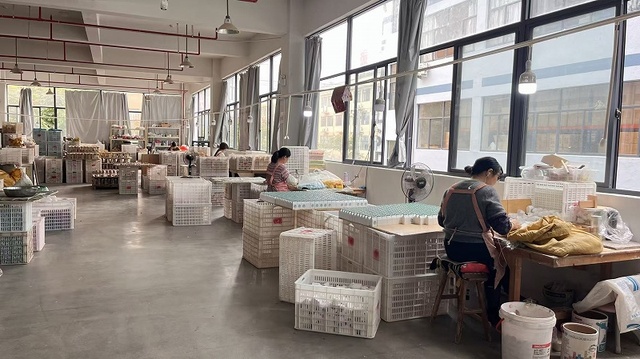
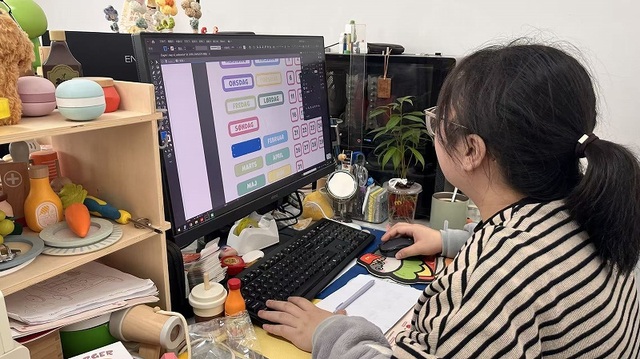
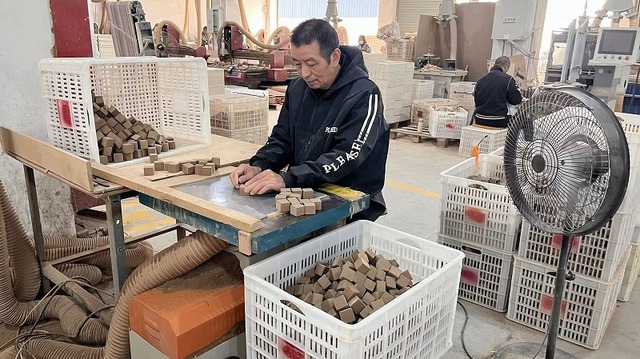
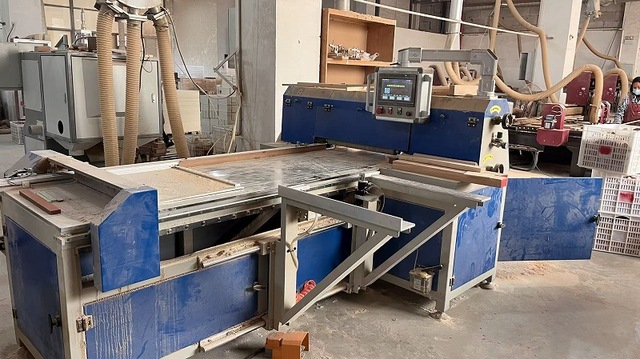
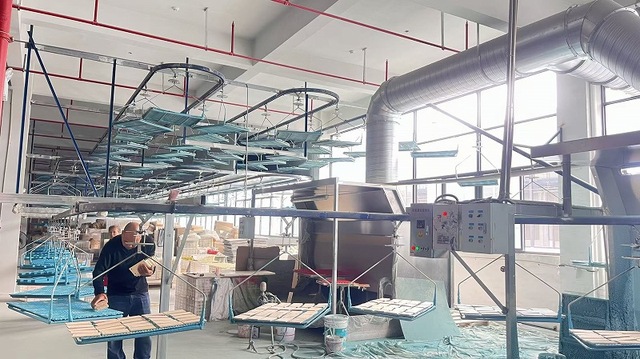
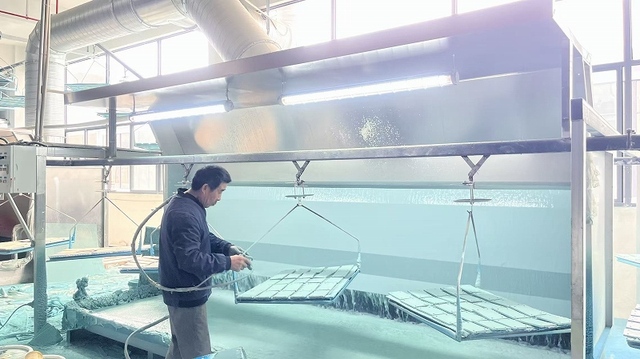
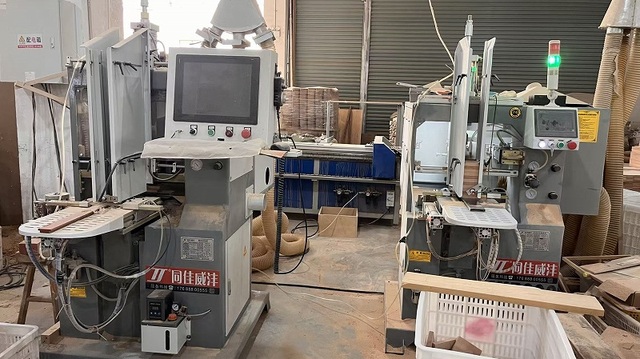
With an experienced in-house Research & Development division, Briy Toys specializes in translating clinical pedagogical concepts into production-ready physical designs. We utilize advanced injection molding, high-precision woodwork routing, sonic welding, and dust-free assembly lines. Our factory operates under strict quality management systems, assuring traceability, physical reliability, and strict compliance with the rigorous toy safety standards of the European Union, making us the premier partner for Belgian importers.
Procuring therapeutic learning toys from a specialized Chinese manufacturer like Briy Toys offers significant competitive advantages for European distributors:
Shipping custom toy consignments from our Dongguan facility to Belgium is optimized for transparency, speed, and safety. We work closely with leading logistics partners to offer flexible freight forwarding models:
The specialized toy sector is undergoing rapid evolution, influenced by technological integration and neuro-inclusive research. The following trends represent high-growth avenues for Belgian buyers:
Tactile and Textural Diversity: Modern occupational therapy places a heavy emphasis on sensory processing. Toys incorporating varying durometer silicones, micro-textures, and organic wooden components are increasingly favored over basic plastic shapes.
Universal Design for Learning (UDL): The industry is transitioning away from toys labeled exclusively for "disabled" children, moving instead toward products designed under UDL principles. These items are suitable for the entire classroom but feature specific design adaptations (like easy-grip handles or tactile indicators) that aid children with special needs.
Sustainable Eco-Materials: Reflecting Belgium's strong commitment to sustainability, there is surging demand for toys constructed from bio-based plastics, recycled ocean polymers, and organic finishes. We are actively expanding our ODM options in these sustainable formats.
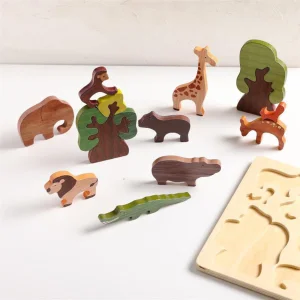
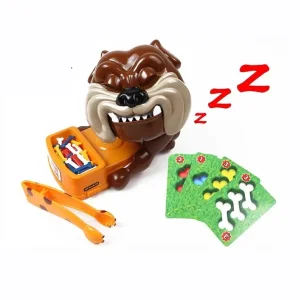
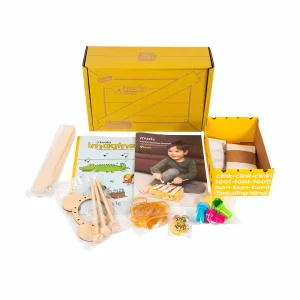
Complete B2B catalog options supporting sensory processing, STEM, and cognitive development therapies.
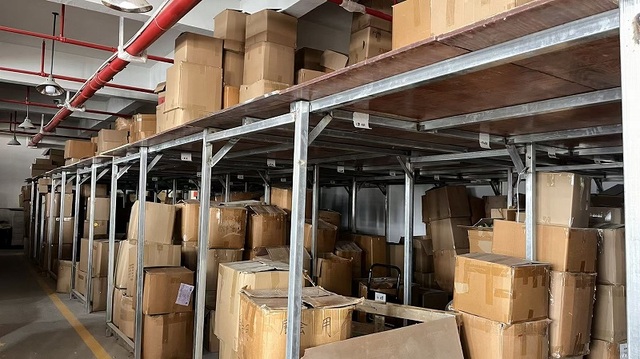
A closer look inside the Dongguan Briy Toys Co., Ltd. manufacturing plants, showcasing quality inspection, assembly lines, and testing equipment.
Key information regarding compliance, MOQ, shipping, and customization for Belgium-based importers.
Consult with our engineering and regulatory compliance team today. Get customized quotes, compliance portfolios, and free material samples.
Send Inquiry Now Briy Toys