Briy Toys
Whitepaper: Sensory Learning Evolution & Global Procurement Benchmarks
An in-depth analysis of Berlin's pedagogical ecosystem, compliance regulations, and modern manufacturing paradigms.
1. The Berlin Early Childhood Landscape: Pedagogical Shifts & Demand
Berlin is at the forefront of Germany's progressive early education paradigm. Driven by the Berliner Bildungsprogramm, local Kindertagesstätten (Kitas) emphasize multi-sensory stimulation, self-directed exploration, and inclusion. This has catalyzed a massive demand for toys that serve not only as entertainment but also as developmental aids. Occupational therapists, special education centers, and municipal schools across districts like Mitte, Charlottenburg, and Prenzlauer Berg require sensory integration tools specifically engineered to support cognitive challenges such as ADHD and Autism Spectrum Disorder (ASD).
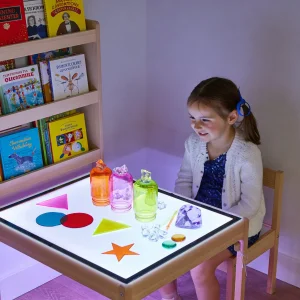
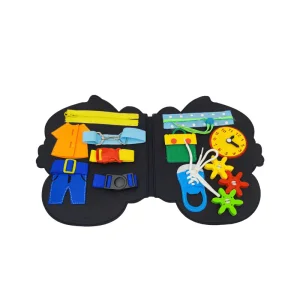
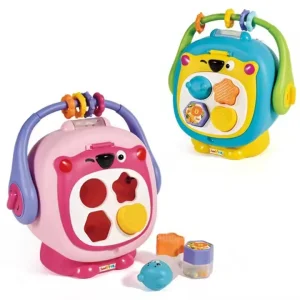
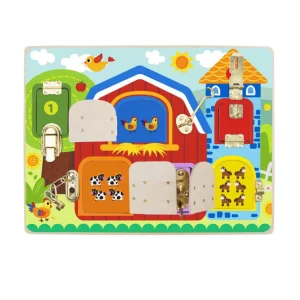
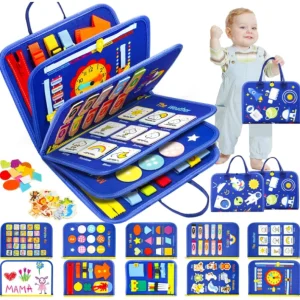
For global exporters and manufacturers, addressing the Berlin market means aligning with these pedagogical standards. The transition from typical plastic toys to structured tactile materials (such as Montessori busy boards, LED light panels, and phonics calculators) is no longer a niche trend—it is a procurement prerequisite.
2. Global Market Dynamics: Quality and Regulatory Benchmarks
Procurement for the European market is governed by some of the world's most demanding product safety standards. Compliance with the **EU Toy Safety Directive 2009/48/EC** and the specific requirements of **EN 71 (Parts 1, 2, and 3)** is mandatory. German buyers consistently demand verifiable test documentation covering:
- Chemical Safety (REACH): Absence of phthalates, heavy metals, and carcinogenic azo dyes, particularly in teething toys and textiles.
- Mechanical and Physical Integrity: Preventing choking hazards through strict tensile tests on buttons, beads, and locks.
- Flammability Resistance: Meeting strict burning speed limits.
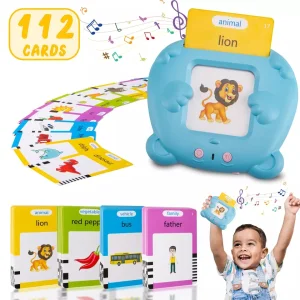
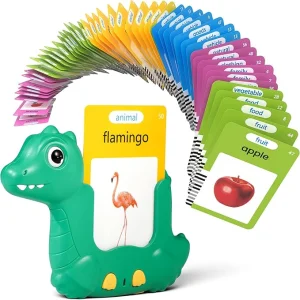
- WEEE and RoHS Compliance: Essential for electronic sensory items like speech therapy flashcards.
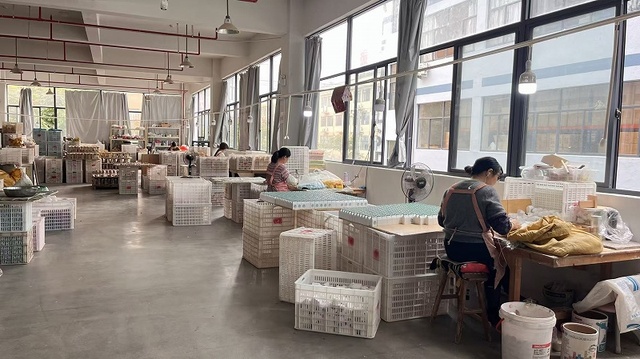
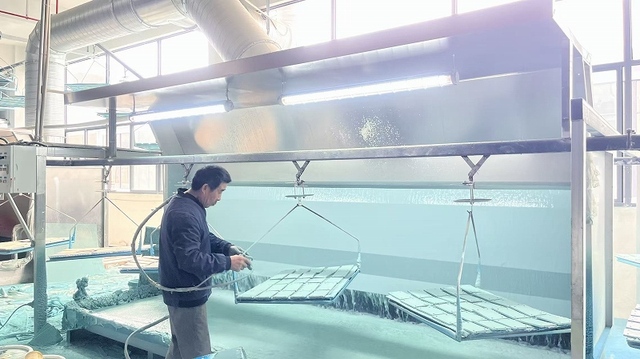
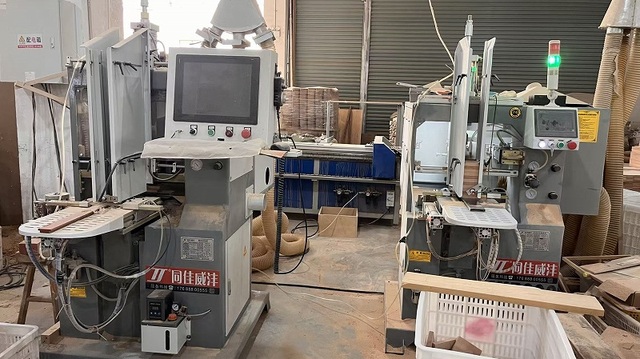
Manufacturers must offer transparent, traceable supply chains from raw wood sourcing (FSC Certification) to non-toxic water-based finishes.
3. Global Sourcing Trends: The Shift Toward Hybrid Sensory Media
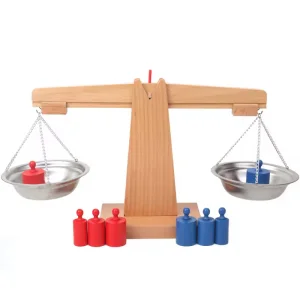
The global sensory toy market is moving away from passive visual toys toward active, tactile, and auditory hybrids. Modern buyers prioritize open-ended play materials—such as wooden balance scales, sensory bin accessories, and light panels—which promote fine motor skill refinement and logic building. The integration of audio prompts (such as interactive talking cards) helps language acquisition for native and non-native speakers, which is highly valued in multicultural urban centers like Berlin.