How physical, sensory, and tactile tools create foundational cognitive pathways during critical childhood developmental windows.
In developmental psychology, the first eight years of a child's life represent a "critical window" for language acquisition and cognitive mapping. During this sensitive period, the brain exhibits an extraordinary degree of neuroplasticity. Language learning is not merely an auditory or rote memory exercise; it is an active, multisensory construction process. Children acquire vocabulary, structure, and syntax by physically manipulating their environments, mapping concrete actions and objects to linguistic concepts.
Modern educational toys serve as the physical interface for this developmental phase. When children engage with tactile tools—such as balance scales, magnetic building blocks, and construction sets—they activate their motor cortex alongside the auditory and visual processing centers. This multi-modal activation reinforces synaptic connections in the brain's language centers (specifically Broca's and Wernicke's areas), leading to faster, more resilient vocabulary acquisition and communicative competence.
For global toy brands, educational institutions, and distribution networks, understanding this neurocognitive correlation is essential. The global market is shifting away from flat-screen learning apps toward tangible, three-dimensional physical learning objects. These physical tools mitigate screen fatigue and provide real-world physics feedback that digital interfaces cannot replicate, fostering deeper spatial reasoning, cognitive logic, and early verbal expression.
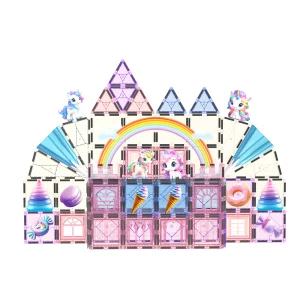
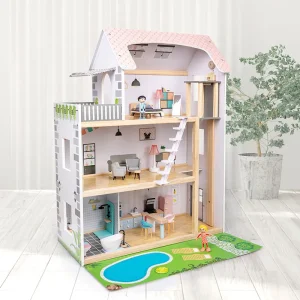
By focusing design principles on sensory integration, products like magnetic tiles, custom wooden villas, and construction kits help children contextualize vocabulary like "above," "below," "balance," "gravity," and "symmetry," transforming abstract grammatical structures into intuitive, physical truths.
An in-depth analysis of changing consumer expectations, safety standards, and regional pedagogical trends.
Educational boards and private preschools worldwide are introducing bilingual immersion programs earlier. Sensory toys are increasingly adopted as speech therapy aids, supporting children diagnosed with speech delays or neurodiverse traits like ASD.
Compliance with ASTM F963 (US), EN71 (EU), and CPC (Children's Product Certificate) is mandatory. Brands require manufacturing partners with documented quality assurance systems to prevent legal liability and product recalls.
FSC-certified timber, organic water-based coatings, and food-grade silicone are replacing standard plastics. Sustainable packaging and non-toxic materials are crucial selection criteria for modern B2B buyers.
This shift toward high-quality, scientifically designed, and sustainably manufactured products has consolidated the supply chain. Manufacturers must possess advanced R&D departments, comprehensive testing facilities, and flexible OEM/ODM capabilities to remain competitive in international markets. This is where China's premier manufacturing hubs, particularly in Guangdong, demonstrate their structural and logistical advantages.
A decade of specialized experience, advanced facility layout, and end-to-end quality assurance systems.
Established in 2012 in the global manufacturing hub of Dongguan, Guangdong, Dongguan Briy Toys Co., Ltd. has evolved into a premier educational toy manufacturer. Specializing in the design, development, and high-volume production of educational, sensory, and language acquisition products, the company has positioned itself as a trusted partner for global brands, educational institutions, e-commerce retailers, and wholesale distributors.
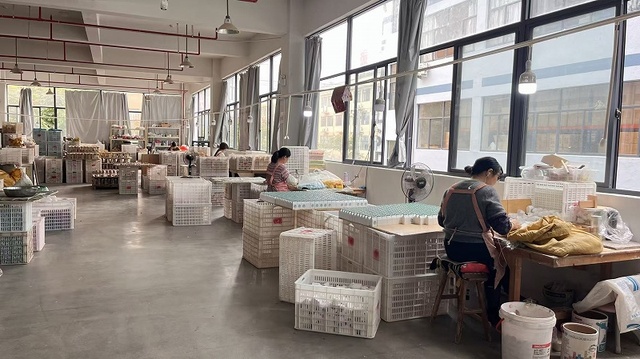
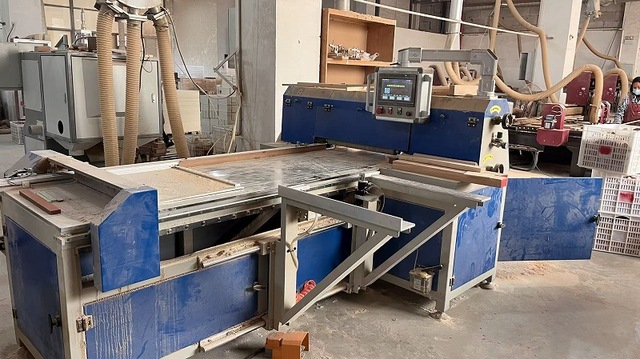
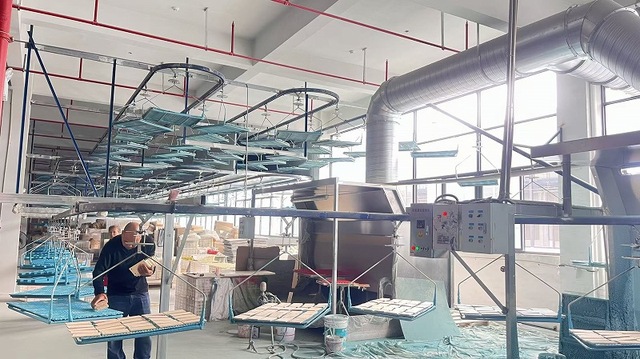
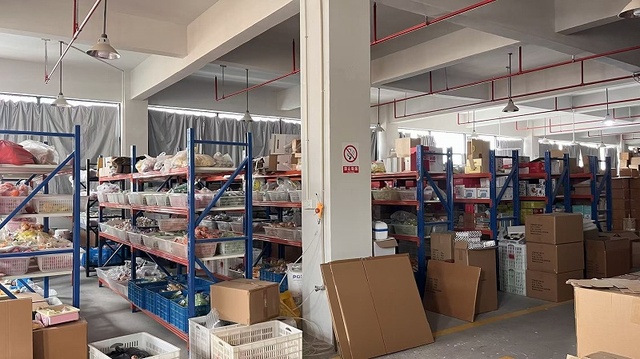
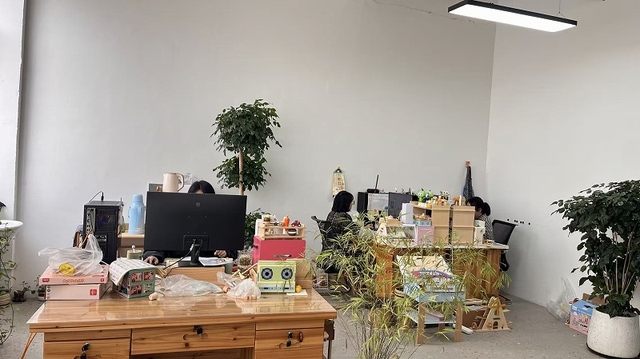
Covering a modern facility of over 12,000 square meters and staffed by more than 180 highly skilled employees, Briy Toys manages the entire product lifecycle from concept design to shipping. The factory's infrastructure is optimized for both precision woodworking and high-safety polymer molding, ensuring that different product lines (from wooden dollhouses to silicone pull-string toys and magnetic tiles) are manufactured with consistent precision.
Briy Toys' product portfolio is carefully aligned with modern pedagogical standards, including the Montessori method and integrated STEM (Science, Technology, Engineering, and Mathematics) frameworks. By supporting early fine motor control, logical deduction, and spatial awareness, their toys provide the concrete physical stimulus required for cognitive growth and early vocabulary training.
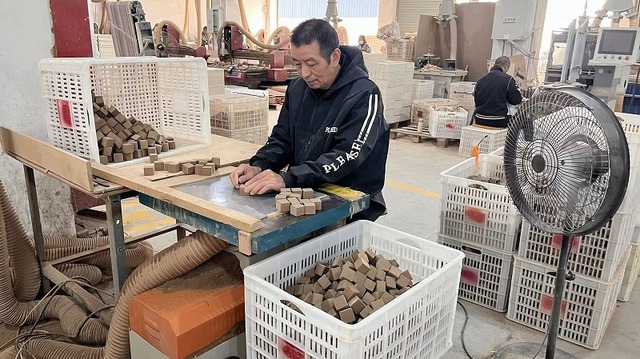
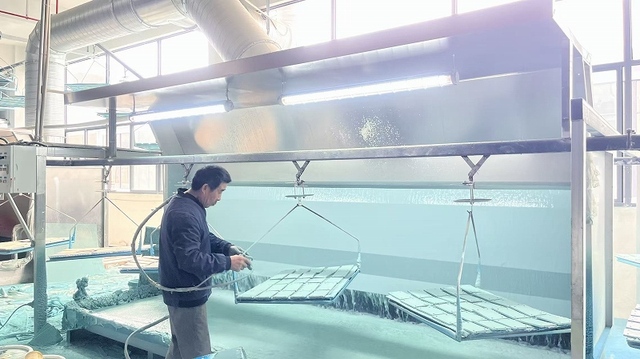
To meet strict international safety regulations, Dongguan Briy Toys implements rigorous, multi-stage quality control procedures. Raw materials (including sustainably sourced wood, non-toxic water-based paints, and BPA-free food-grade silicone) are tested upon arrival. Throughout the manufacturing process, precision machinery and manual inspection checkpoints ensure smooth edges, secure joints, and durable structural integrity, guaranteeing compliance with global standards like EN71, ASTM F963, CE, and CPC.
Why Dongguan's industrial ecosystem provides unparalleled speed-to-market, customization flexibility, and cost optimization.
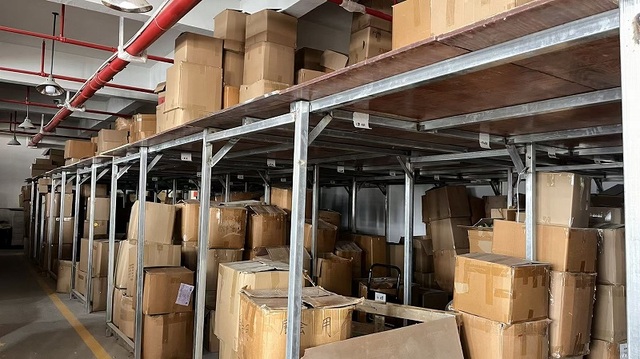
Located in Dongguan, Briy Toys operates at the center of the world's most dense manufacturing cluster. Raw timber, electronic components, silicone, non-toxic colorants, and custom packaging materials are sourced locally, eliminating international logistics bottlenecks and minimizing raw material lead times.
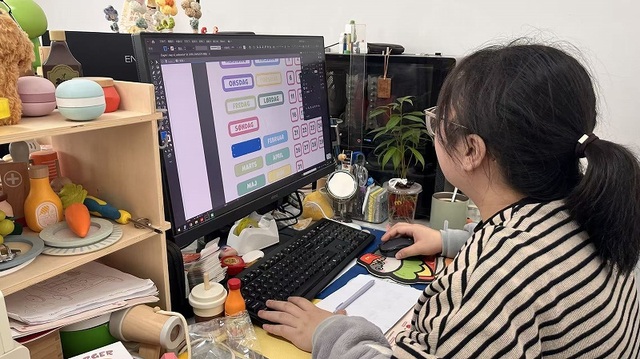
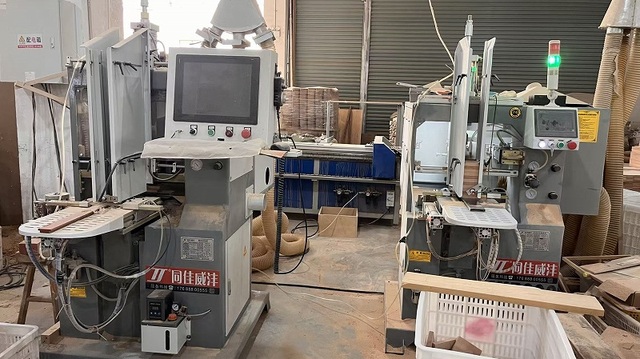
With internal CAD design units and advanced CNC machining centers, Briy Toys translates conceptual product designs into physical prototypes within days. This allows global brands to adjust designs rapidly before committing capital to full production runs.
From low-volume, specialized educational materials to high-volume retail distributions, Briy Toys' production lines adapt quickly. This flexibility is supported by structured shifts, automated molding processes, and dedicated hand-assembly teams for detailed handcrafting.
These advantages significantly reduce total cost of ownership (TCO) for international buyers. Rather than managing fragmented vendors for wooden, plastic, and electronic educational items, buyers consolidate their operations under one roof, securing unified quality control, synchronized shipments, and structured volume discounts.
Customized product applications designed for various learning environments, clinical therapies, and retail channels.
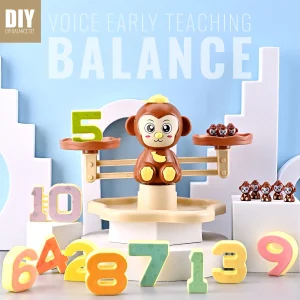
In structured educational settings, toys are utilized as self-correcting learning apparatuses. A Montessori educator uses products like the Dinosaur and Monkey Digital Balance Scale to teach arithmetic and weight equivalence. As children work in small groups, they verbalize concepts like "heavier," "lighter," and "equal," strengthening peer communication, social-emotional skills, and mathematical vocabulary.
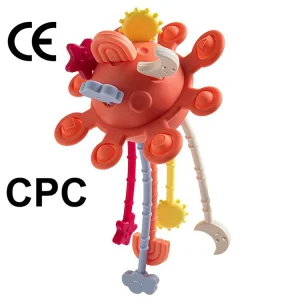
Therapists utilize sensory-focused items, such as Silicone Pull String Toys, to assist children with fine motor delay or sensory processing disorders. By gripping, pulling, and feeling different textures, children receive sensory feedback that stimulates cognitive pathways, facilitating focused communication and helping therapists encourage vocabulary development in a relaxed, play-based setting.
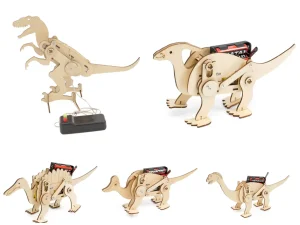
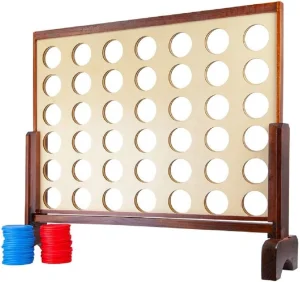
For families, educational toys offer a screen-free alternative that encourages cooperative play. Products like the 3D Dinosaur Construction STEM Kit or Giant Four in a Row Game prompt cooperative building and strategizing. This shared activity encourages rich verbal exchange as parents and children negotiate construction steps, tell stories, and solve problems together.
For international importers and Amazon brand owners, offering safety-certified educational products targeting cognitive development builds brand equity. High-quality packaging, clear safety marks, and cohesive design aesthetics satisfy the high standards of modern, safety-conscious parents and educators, resulting in higher review ratings and repeat customer acquisitions.
The evolution of learning materials through smart technology, coding frameworks, and eco-conscious engineering.
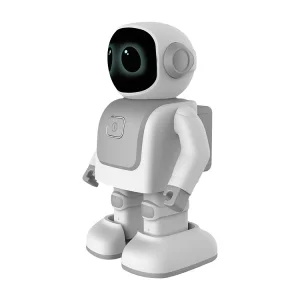
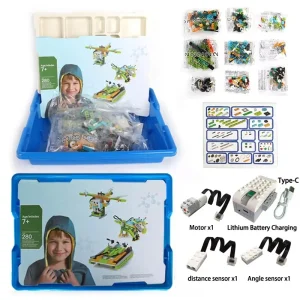
Modern toys increasingly integrate early programming concepts. Robotics kits compatible with Scratch 3.0, along with RGB LED interactive robots, introduce logic, sequencing, and computational terms into children's play patterns.
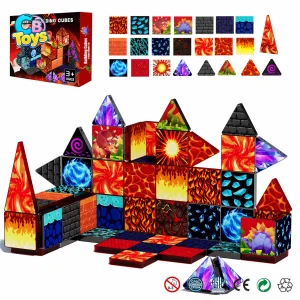
Structured toys are shifting toward modular, open-ended designs. Magnetic tiles and open construction sets allow children to define their play rules, promoting creative problem-solving and long-term product engagement.
Future manufacturing focuses on circular production processes. Leading factories utilize biodegradable materials, plant-based dyes, and zero-waste packaging, aligning with corporate social responsibility (CSR) objectives.
Dongguan Briy Toys Co., Ltd. actively integrates these trends into its ODM/OEM pipeline. By developing modular building blocks and safety-compliant electronic educational toys, Briy Toys ensures its clients' product lines remain relevant and competitive in the global market.
Essential steps to ensure regulatory compliance, optimize logistics, and verify quality when sourcing from China.
Sourcing early childhood products demands diligent compliance management. Importers must confirm that their manufacturer's raw material batches are fully traceable and tested for chemical safety (including heavy metals, lead, phthalates, and flame retardants). Reliable manufacturers supply certified test reports from accredited third-party labs like SGS, Intertek, or TÜV Rheinland to guarantee compliance.
Beyond chemical safety, physical hazards must be evaluated. Toys targeted for toddlers under 3 years old require choke-hazard evaluations using dedicated small-parts cylinders. Sharp point testing, drop tests, and tensile strength tests are also critical to ensure small components do not detach during vigorous play.
To optimize procurement, global buyers should seek partners offering comprehensive ODM services, including customized packaging, multi-lingual instruction manuals, and private-label options. Establishing clear agreements regarding Minimum Order Quantities (MOQ), sample verification times, and shipping terms (FOB, CIF, or DDP) helps secure a transparent, efficient, and reliable supply chain partnership.
Direct answers to common questions about safety, MOQ, customization, and factory operations.
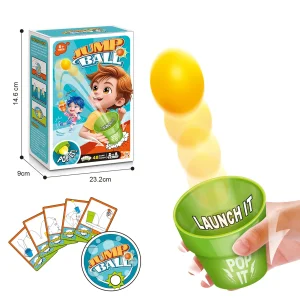
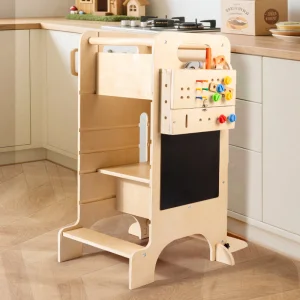
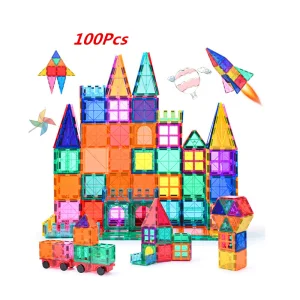
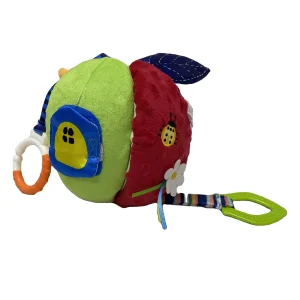
Take a virtual tour through our raw material storage, CNC molding shops, assembly areas, and quality control departments.
 Briy Toys