Analyzing key procurement drivers, material sourcing changes, and regional manufacturing capabilities
The global demand for mathematics educational games has experienced a significant structural shift. Standard rote-memorization toys are being replaced by highly tactile, spatial, and algorithmic learning structures. Driven by educational models such as Montessori, Reggio Emilia, and integrated STEM/STEAM curriculum frameworks, international buyers (ranging from institutional distributors to tier-one retail brands) now look for games that bridge abstract numerical theory with physical manipulation.
Modern math pedagogy shows that children retain arithmetic, fraction, and geometric concepts better when interacting with tactile systems. Sourcing managers look for tools that make abstract math physical.
There is a strong industry shift toward sustainable materials. Supply chains are prioritizing FSC-certified maple, beech, and birch woods, combined with food-grade ABS plastics and non-toxic, water-based finishes.
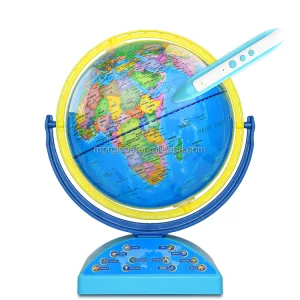
Connecting physical manipulatives with digital applications (via NFC, AR, or visual recognition) is a fast-growing category. Factories are updating their lines to handle low-power electronics assembly.
A technical guide for assessing manufacturing precision, material quality, and safety compliance
Evaluating a potential manufacturing partner requires analyzing their facility's technical setup. When sourcing mathematics games—especially those using geometric shapes, balance beams, fraction blocks, and counting modules—precision is a key quality indicator. A deviance of even 0.5mm can impact how geometric shapes align, affect self-correcting mechanisms in Montessori-style toys, and lead to poor classroom performance.
High-quality manufacturers use advanced machinery such as 5-axis CNC routers for wood, precision plastic injection molding machines with tight tolerances, and automated UV printing lines. These lines ensure clear, durable numbering and gradations on measuring toys, fraction bars, and abacuses, keeping them legible after years of use in school environments.
Operational scale, product capabilities, and customized manufacturing services
Dongguan Briy Toys Co., Ltd. is a specialized educational toy manufacturer based in Dongguan, Guangdong, China—a major global hub for advanced manufacturing. Established in 2012, the company designs, develops, and manufactures high-quality educational toys that support cognitive development, spatial reasoning, and mathematics education.
Briy Toys operates a modern manufacturing facility covering over 12,000 square meters and employs more than 180 skilled professionals, including product designers, R&D engineers, and QA specialists. The company offers OEM and ODM manufacturing services to global toy brands, educational institutions, catalog retailers, and e-commerce companies across North America, Europe, and the Asia-Pacific region.
Features dedicated lines for processing natural timber, precision plastic molding, non-toxic automated spray painting, and manual assembly of multi-component learning kits.
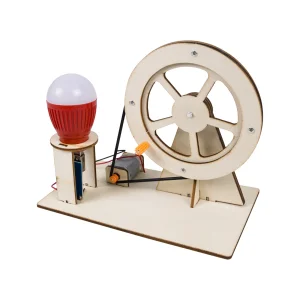
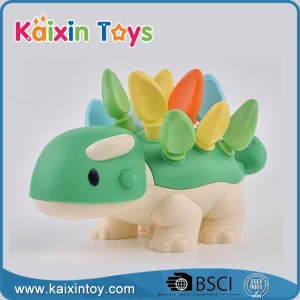
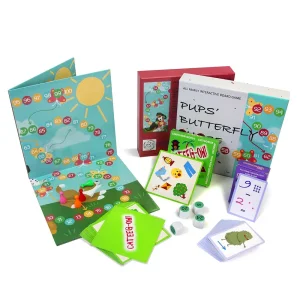
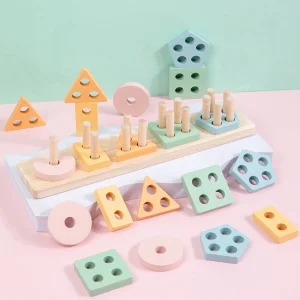
Includes preschool learning toys, sensory development toys, STEM/STEAM kits, Montessori-inspired math materials, sorting/stacking boards, and customized board games.
Provides OEM/ODM services, including structural design, custom packaging, private labeling, and prototyping to meet specific educational standards.
From simple counting blocks to sensor-enabled and AI-interactive educational physical systems
The math learning market is evolving from basic counting beads to smart, connected physical systems. Forward-looking manufacturers are updating their tooling and R&D processes to incorporate new technologies:
Embedded RFID tags allow physical game pieces to talk to digital curricula, giving educators real-time assessment data.
Transitioning from ABS to bio-composites and bamboo fibers to meet strict carbon reduction targets set by global retailers.
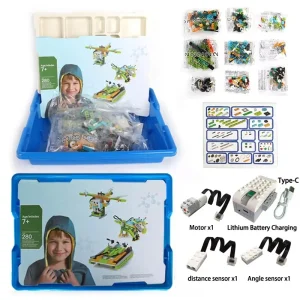
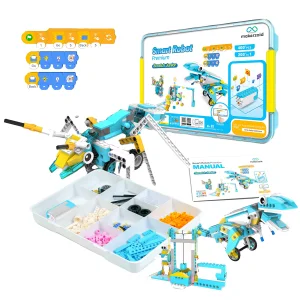
Developing toys that teach math through building, allowing kids to learn geometry and physics principles hands-on.
Using advanced heat-transfer printing and UV curing to keep colors and numbers clear after heavy use in classrooms.
Key safety certifications required for entering major international educational markets
Compliance is a critical factor in toy procurement. Children's products are subject to strict safety regulations globally. Sourcing departments must verify that manufacturers can meet these key regional standards:
A look at our raw material warehouse, CNC production floors, assembly areas, and quality control labs
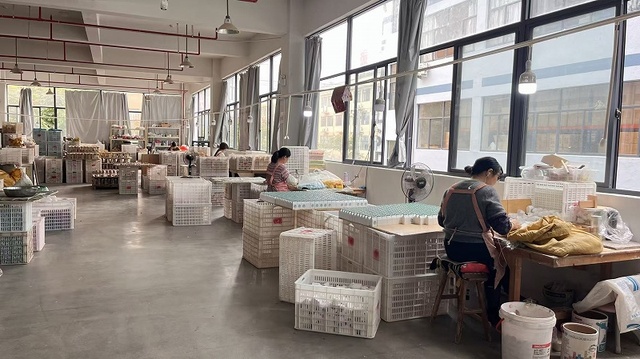
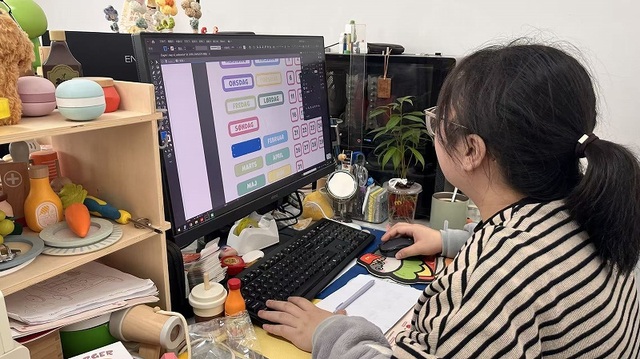
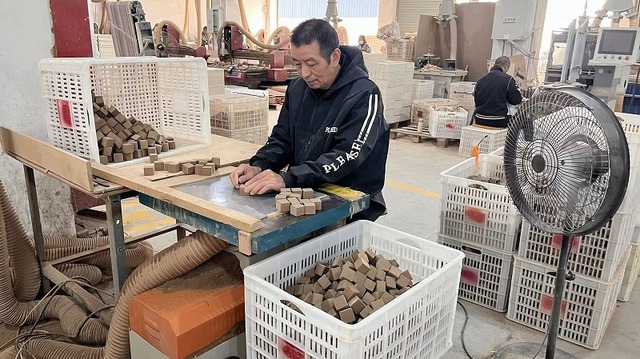
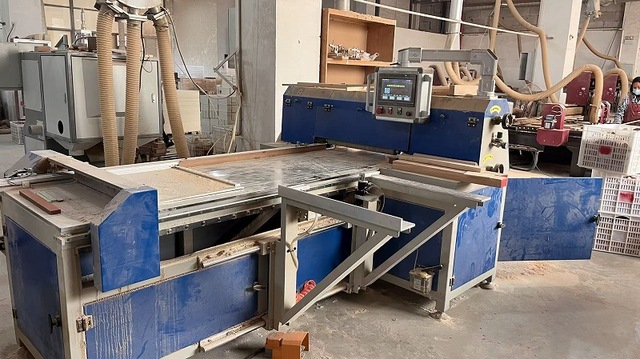
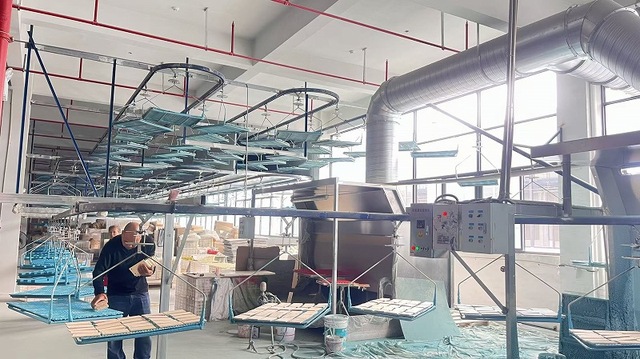
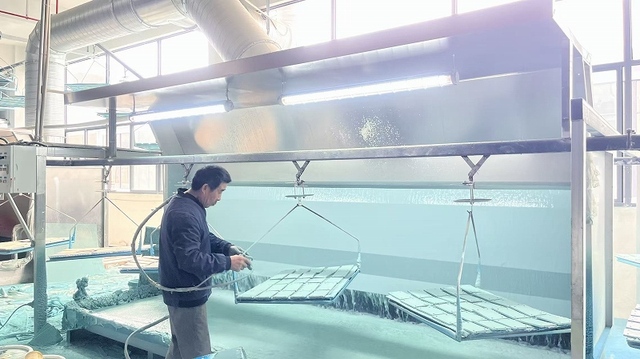
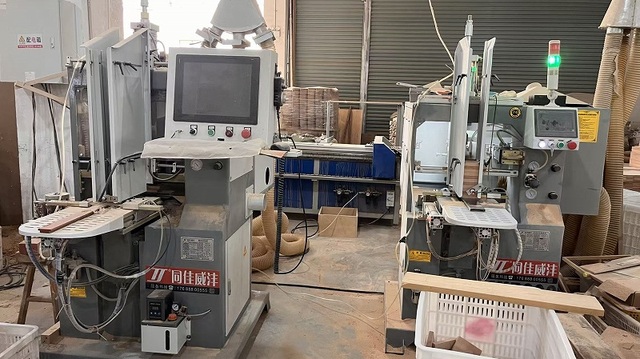
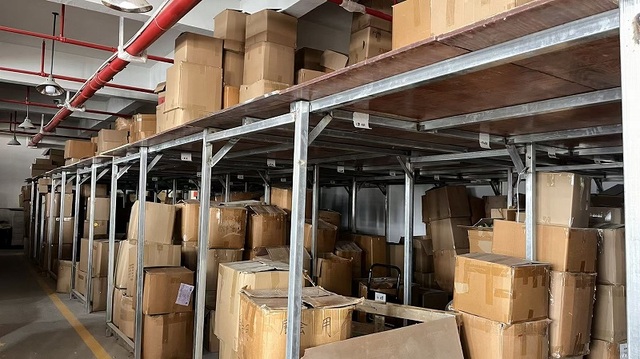
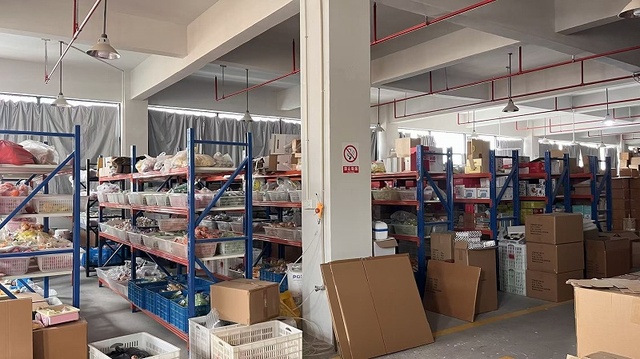
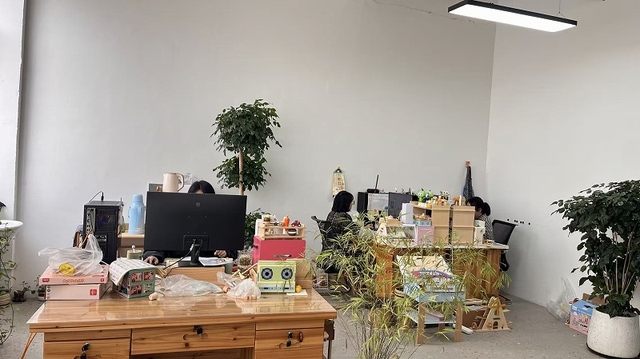
Answering common questions from B2B buyers regarding lead times, customization, and factory audits
For standard Montessori toys and wooden games with existing tooling, the MOQ typically ranges from 500 to 1,000 units. For fully customized ODM projects requiring new injection molds or unique CNC programming, the MOQ is generally 2,000 to 3,000 units, depending on the material and manufacturing processes involved.
Reputable manufacturers use EN71-3 and ASTM-compliant water-based paints and NC lacquers. Raw materials undergo regular batch testing in certified third-party laboratories (like SGS, TÜV, or Intertek) to ensure heavy metal concentrations (such as lead, cadmium, and mercury) and phthalates are well below legal limits.
Prototyping using 3D printing or rapid wood CNC milling typically takes 7 to 15 working days. Once the sample is approved and the order is placed, bulk production takes 35 to 45 days. This timeline can vary depending on seasonal peak demand and the complexity of assembly and packaging.
Yes, most established OEM/ODM manufacturers offer comprehensive packaging design services. This includes corrugated shipping box optimization, custom color box layout, blister insert design, and multilingual instruction manuals translated and formatted for target export markets.
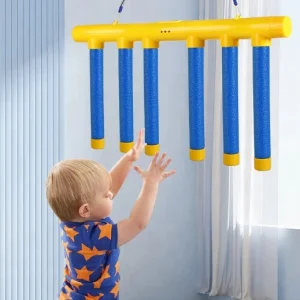
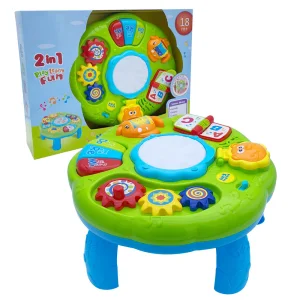

 Briy Toys