Explore our flagship, pedagogical-grade educational products designed to support physical coordination, logical thinking, and multi-sensory stimulation.
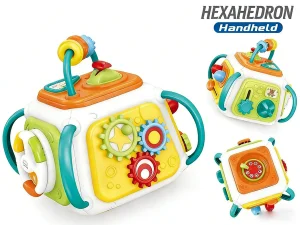
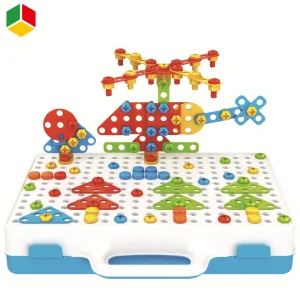
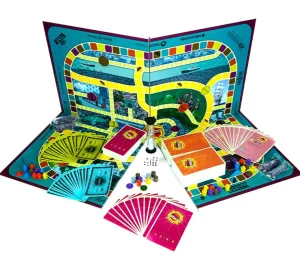
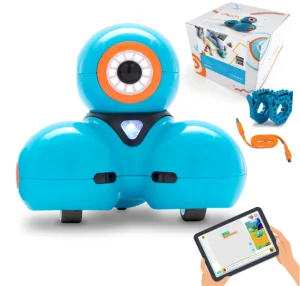
The global educational toy sector is undergoing a profound paradigm shift. Driven by breakthroughs in early childhood neuroscience, spatial cognitive studies, and the integration of STEAM (Science, Technology, Engineering, Arts, and Mathematics) curriculums, modern toys are no longer evaluated merely as entertainment assets. B2B buyers—including educational ministries, specialized retail networks, and global e-commerce importers—increasingly prioritize suppliers capable of offering products with measurable developmental value, verified non-toxicity, and high structural durability.
Currently, the global educational toy market is expected to surpass $120 billion by 2030, showing a compound annual growth rate (CAGR) of over 7.8%. A major portion of this growth is attributed to "Cultural Education Toys" and "Sensory Integration Materials" which allow children to bridge physical, motor, and intellectual milestones simultaneously.
For international sourcing agents, finding reputable manufacturers in key production clusters is critical. Dongguan, located in Guangdong, China, stands as the premier hub for global toy manufacturing, hosting sophisticated supply chains that integrate raw material processing, precision plastic injection molding, automated electronics assembly, and strict safety testing facilities.
B2B sourcing agents encounter different bottlenecks depending on their specific channels. Educational institutions require long-lasting, high-frequency-use materials, whereas retail chains require eye-catching packaging and rapid rotation cycles. A reliable manufacturer must offer customized options to support these diverse sales channels.
Montessori schools and sensory gyms require toys built from premium solid wood and certified non-toxic felt. Products must withstand high sterilizing frequencies and rough handling without structural degradation.
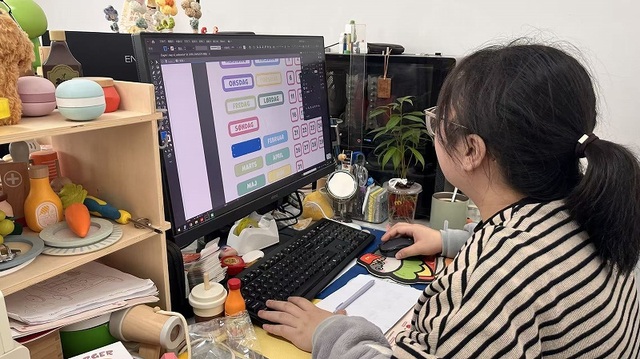
We offer end-to-end ODM/OEM support, handling everything from concept design and prototyping to customized branding, blister packaging, and compliance documentation for global markets.
Our streamlined processes feature low MOQs for initial tests, standardized high-resolution media support, and ready-to-ship packaging that meets FBA compliance requirements.
| Toy Category | Primary Developmental Target | Material Core Specs | Global Standards Required |
|---|---|---|---|
| Montessori Sensory Cubes | Fine motor skills, tactile coordination, cause-effect | FSC Beechwood, safe wool felt, non-toxic water lacquer | EN71 Part 1-3, ASTM F963, REACH |
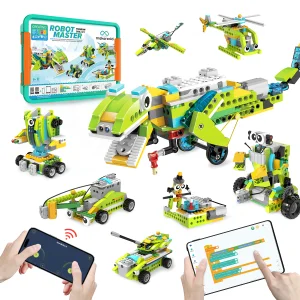
| Interactive STEM Robots | Algorithmic logic, coding, voice recognition | Eco-ABS, PCB with RoHS compliance, Li-ion safety protection | CE, FCC, RED, EN62115 |
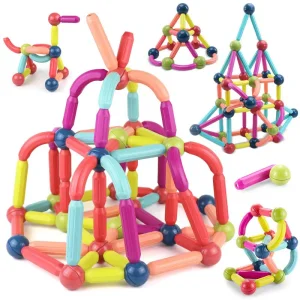
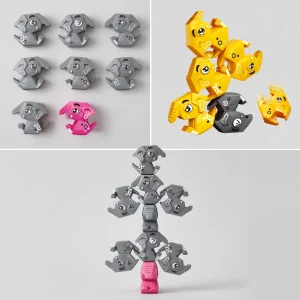
| Magnetic Building Tiles | 3D spatial reasoning, magnetic attraction mechanics | Ultrasonic welded ABS, Neodymium permanent magnets | ASTM F963, CPSC, EN71 Part 1 |
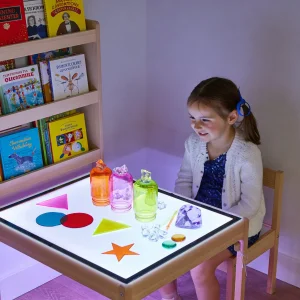
| Sensory LED Light Panels | Visual stimulation, light experiments, color mixing | Low-voltage LED, impact-resistant acrylic, insulated adapter | UL, CE, EMC, EN62471 (Photobiological Safety) |
International toy safety compliance is a complex field. Importing toys into highly regulated territories like North America and the European Union demands rigorous chemical and mechanical screening. Suppliers must deliver toys that are free from lead, heavy metals, phthalates, and bisphenol A (BPA).
To avoid costly customs delays or recalls, leading OEM/ODM exporters maintain internal laboratories equipped with tension testers, drop-test platforms, and spectrometers. They also collaborate with third-party verification bodies like SGS, Intertek, and TÜV Rheinland.
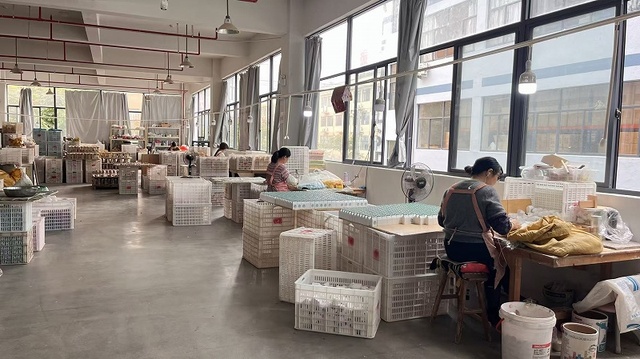
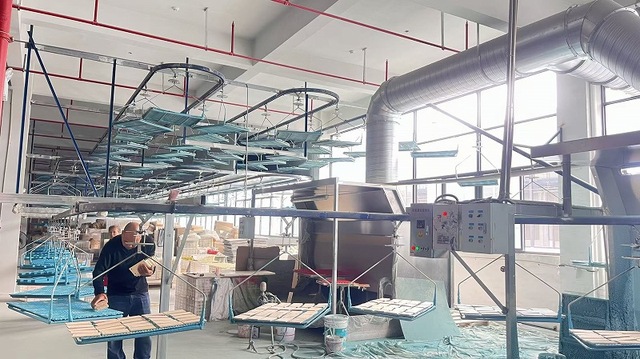
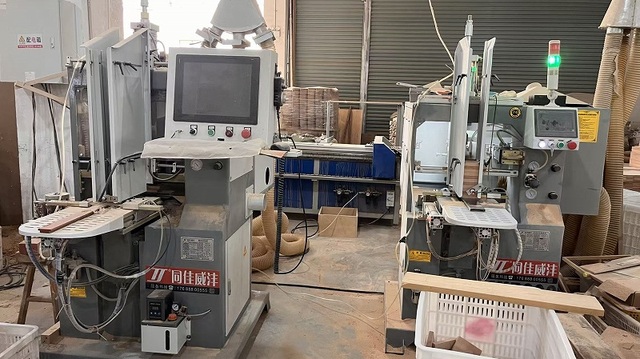
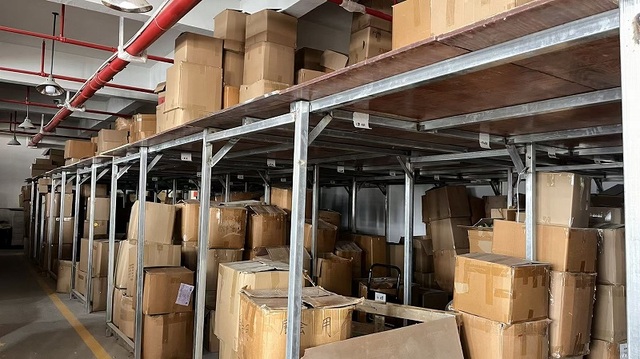
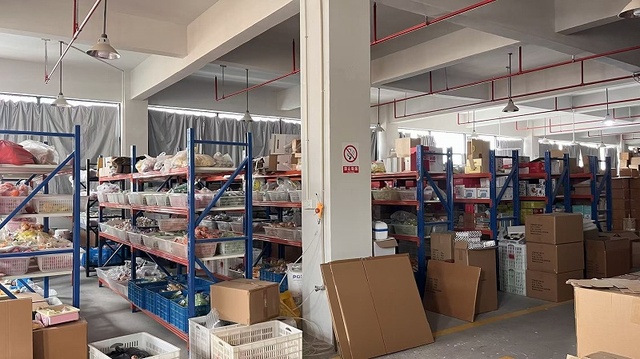
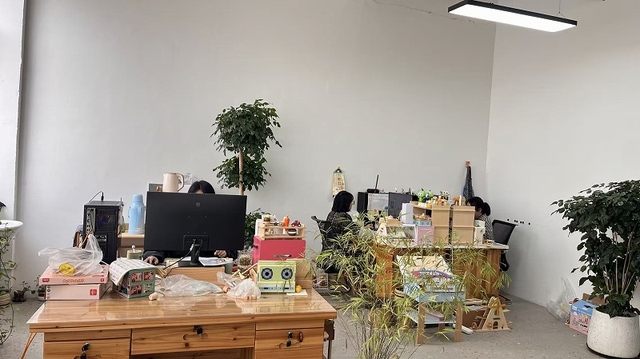
Established in 2012, Dongguan Briy Toys Co., Ltd. stands as a premier educational toy manufacturer in Dongguan, Guangdong, China. Spanning over 12,000 square meters of modern manufacturing facilities and staffed by a dedicated team of over 180 skilled technicians, the company provides robust OEM and ODM solutions to clients worldwide.
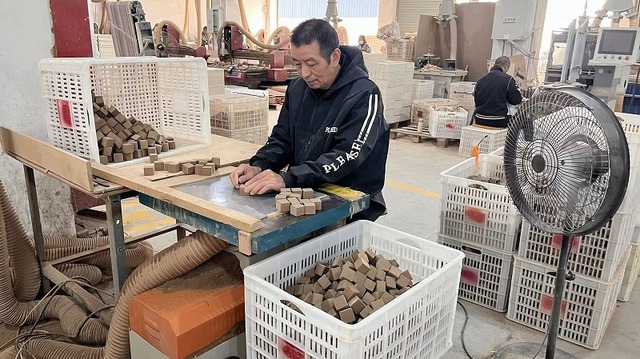
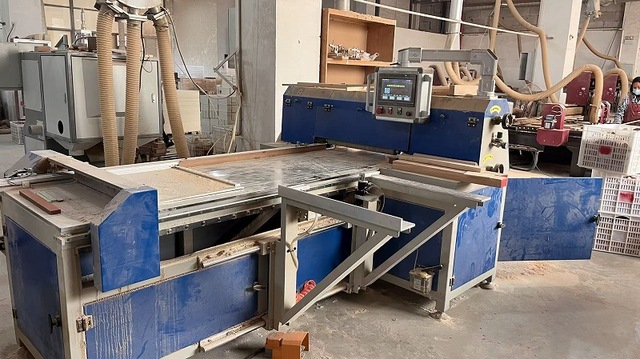
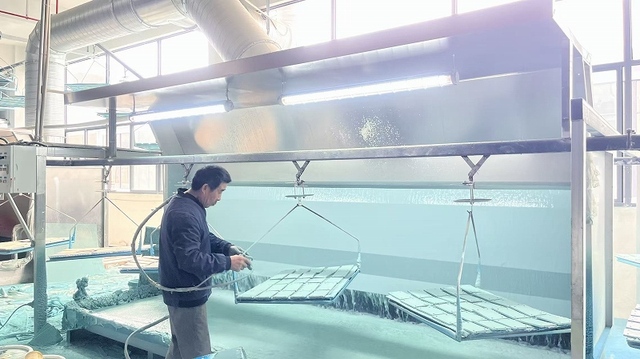
Briy Toys' production lines are designed to handle diverse material types, including sustainably sourced timber, precision-engineered plastics, wool felt, and electronic assemblies. This versatility allows the company to support a broad catalog of preschool learning toys, sensory items, Montessori teaching aids, and electronic STEM kits.
By maintaining control over the entire development cycle—from concept design to tooling, injection molding, surface treatment, and packaging—Briy Toys ensures consistent quality and compliance with international standards.
Educational toys are most effective when tailored to specific developmental environments. Designing toys requires aligning features with targeted learning scenarios to maximize engagement and efficacy.
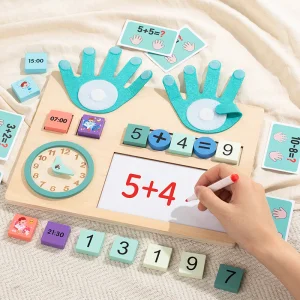
In formal preschool settings, toys must foster self-directed activity and hands-on learning. Wooden clocks, counting boards, and tactile cubes help children master abstract concepts through physical manipulation.
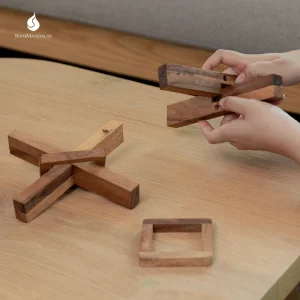
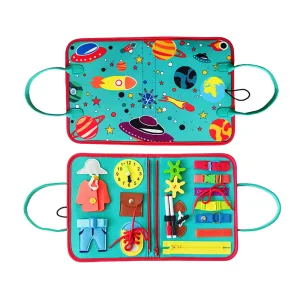
Therapists utilize specialized tools like LED panels, textured busy boards, and puzzle blocks to assist children with sensory processing differences. These tools provide calibrated sensory feedback that helps improve attention span, spatial awareness, and motor coordination.
Modern home learning environments benefit from interactive programming robots and building tile sets. These toys promote logic, cooperative play, and problem-solving skills, allowing parents to guide their children's cognitive development through engaging activities.
The educational toy industry is set to evolve through advancements in sustainable materials and smart technologies. The integration of IoT, AI voice-activation, and bio-based plastics is reshaping how toys are designed and manufactured.
Future toys will increasingly incorporate lightweight, secure, and offline artificial intelligence processors. These chips will enable toys to analyze speech patterns, respond to voice commands, and adjust learning difficulty levels in real time to match the child's developmental progress.
Leading manufacturers are transitioning away from petroleum-based plastics. The future belongs to biodegradable polymers, starch composites, and FSC-certified timber coated with food-grade soy paints, aligning with global initiatives for carbon neutrality.
By bridging physical wooden blocks or tiles with AR overlays on tablet screens, children can explore multidimensional concepts in geology, anatomy, and physics, combining tactile feedback with immersive digital visuals.
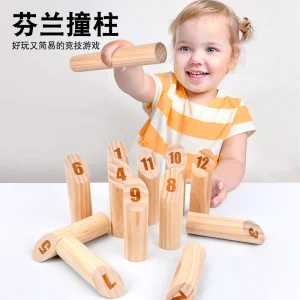
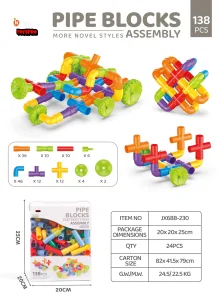
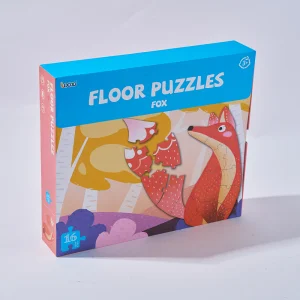
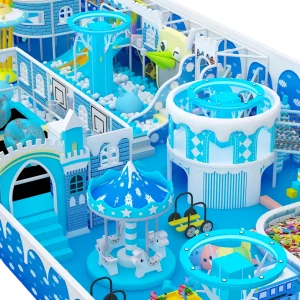
Discover our latest collection of logical puzzles, structural building blocks, and interactive programming kits engineered for global export markets.
Essential information on sourcing, compliance, material specifications, and global logistics for international B2B buyers.
For standard OEM/ODM configurations, the sample prototyping stage requires 7 to 15 working days depending on mechanical complexity. Once samples receive client approval and tooling modifications are complete, the bulk production phase typically spans 30 to 45 days. Production schedules may vary based on material sourcing requirements (e.g., custom textile patterns or specialized wood species) and overall seasonal capacity.
We follow a comprehensive quality assurance protocol. Raw plastic resins, pigments, and fabrics are audited for chemical purity prior to production. We perform systematic screening for phthalates, heavy metal migrations, and flame retardants using third-party certified laboratories. All products are delivered with certified lab reports corresponding to their respective production batches.
Yes. Our experienced engineering and R&D divisions design customizable teaching tools tailored to the developmental guidelines of various school boards. We adjust dimensional parameters, engraving details, language labeling, and instructional booklets to match specific regional curriculum requirements.
We employ a five-stage quality control workflow: Incoming Quality Control (IQC) on raw inputs, Input Process Quality Control (IPQC) during assembly, Final Quality Control (FQC) testing mechanical durability, Outgoing Quality Control (OQC) inspecting packaging stability, and QA Auditing for shipment release. Each batch is traceable via standardized serial numbering.
We prioritize intellectual property security. All customized projects are protected under comprehensive Non-Disclosure Agreements (NDAs). Client mold tooling is cataloged, maintained in secure, restricted-access facilities, and utilized exclusively for the respective client's production runs.
 Briy Toys