High-precision manufactured STEM instruments, early logic tools, and sensory apparatus optimized for international distribution.
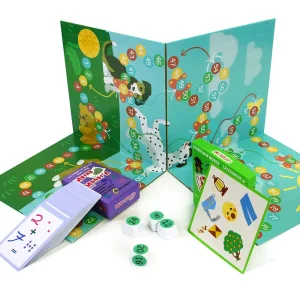
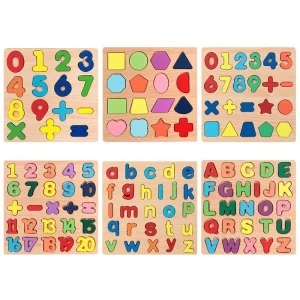
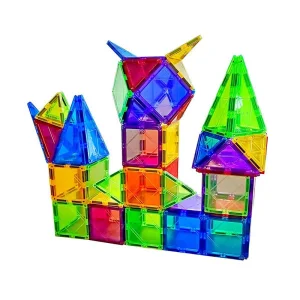
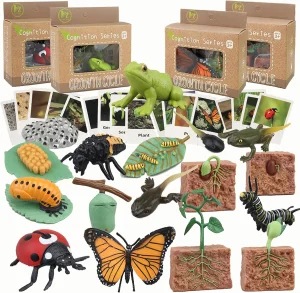
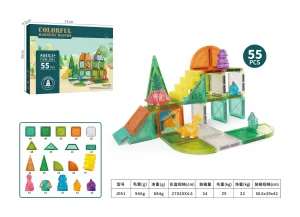
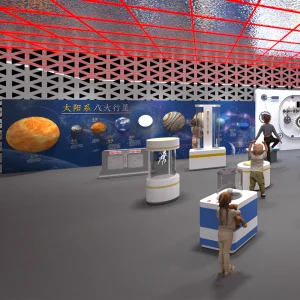
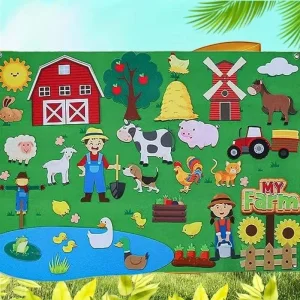
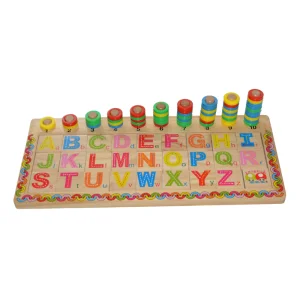
The global education market is experiencing an unprecedented integration of computational logic within physical play frameworks. Historically, coding and programmatic learning were confined to digital displays. Today, cognitive science research confirms that tactile interaction with physical tangibles accelerates computational thinking in children aged 3 to 12. As a result, B2B procurement strategies are shifting away from standalone software toward integrated physical hardware, smart sensory blocks, and tactile logic kits.
For brand owners, educational distributors, and institutional importers, identifying a manufacturing partner with the specialized engineering capabilities required to build these modern tools is a critical business driver. High-quality physical logic components, magnetic arrays, and integrated voice/circuit systems demand strict precision tolerance, specialized raw material validation, and meticulous electrical and mechanical engineering compliance.
Global supply chains require educational products to meet rigorous local safety standards while maintaining lower unit cost structures. The leading manufacturers differentiate themselves by offering end-to-end ODM engineering, direct component testing, and rapid prototyping workflows.
Key Compliance Metrics: EN71-1/2/3, ASTM F963, CPC, CE, FCC, RoHS, REACH, and California Proposition 65.
A premier educational toy production hub delivering global scale, specialized custom engineering, and rigorous quality certification.
Dongguan Briy Toys Co., Ltd. is a professional educational toy manufacturer located in Dongguan, Guangdong, China. Established in 2012, the company specializes in the design, development, and production of educational toys that support children's learning, creativity, and cognitive development. With a modern manufacturing facility covering over 12,000 square meters and a team of more than 180 skilled employees, Briy Toys serves customers worldwide through reliable OEM and ODM manufacturing services.
The company's comprehensive product portfolio includes preschool learning toys, sensory toys, cognitive development toys, STEM educational toys, Montessori-inspired learning materials, wooden educational toys, activity sets, puzzle games, and early childhood learning products. Designed to promote problem-solving, motor skills, creativity, and independent learning, Briy Toys' products are widely used by toy brands, educational institutions, retailers, wholesalers, and e-commerce businesses.
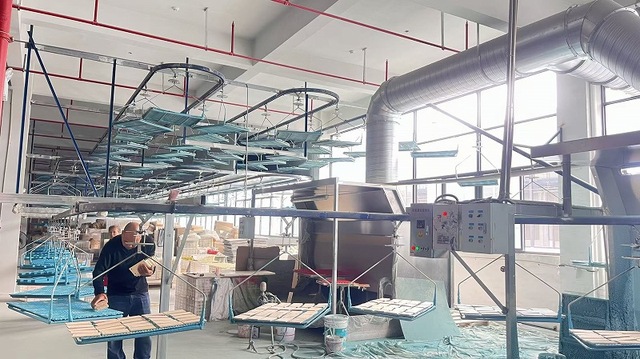
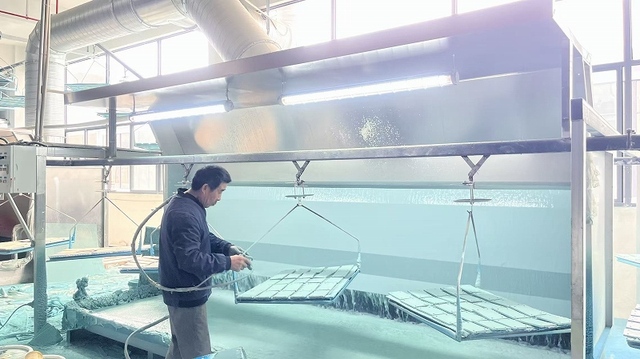
Dongguan Briy Toys operates advanced production lines and follows strict quality control procedures throughout every stage of manufacturing, from raw material sourcing and product development to final inspection and packaging. The company places strong emphasis on product safety and compliance with international standards, helping customers meet the requirements of different global markets. Supported by an experienced R&D team, Briy Toys continuously develops innovative educational toy solutions that align with evolving learning trends and consumer preferences, offering flexible customization services including product design, branding, packaging, and private-label manufacturing.
"Committed to quality, innovation, and long-term partnerships, Dongguan Briy Toys Co., Ltd. strives to be a trusted China educational toys factory providing preschool learning toys, sensory toys, and cognitive development products to customers around the world."
Developing physical pathways for early coding logical structures through advanced technical capabilities.
Integration of low-energy, highly durable microprocessors, custom PCB layouts, and robust sensory connections (touch sensors, optical readers, RFID modules) configured to withstand rigorous institutional classroom environments.
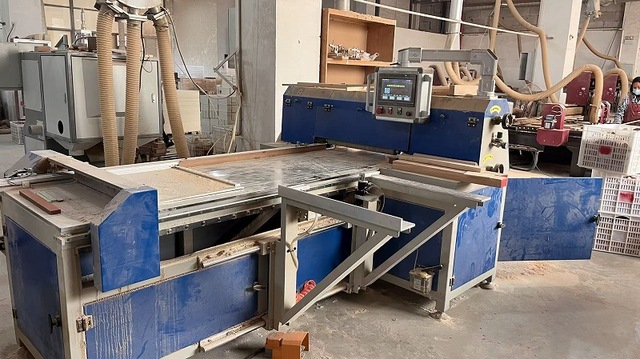
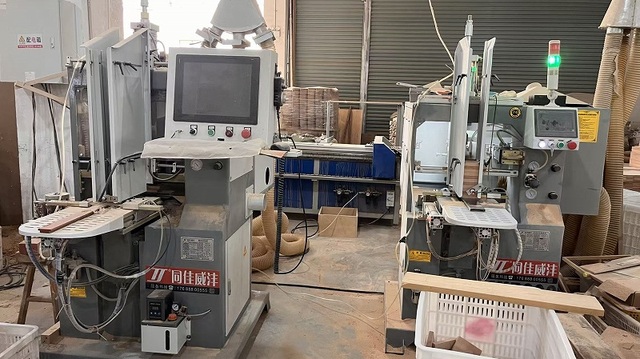
High-tolerance plastic injection molds and automated CNC wooden cutting tooling. Precision mechanical assembly guarantees exact tolerances for interlocking blocks, magnetic elements, and sliding components.
Utilizing non-toxic, food-grade ABS polymers, organic soy-based inks for structural cardboard and boards, and FSC-certified natural timber resources. Rigorous heavy-metal and phthalate screening protocols apply to all batches.
Bridging basic sensor-less shapes to voice-activated, machine-learning-assisted tangible logic kits.
Before kids learn to write syntactically correct code, they must master sequential reasoning. Modern factories develop physical interfaces like puzzle matching boards, magnetic rails, and interactive card games. These tactile objects function as physical loops, conditionals, and variables. For instance, color-coded paths dictate spatial sequences, helping toddlers understand algorithmic pathways without direct exposure to blue-light screens.
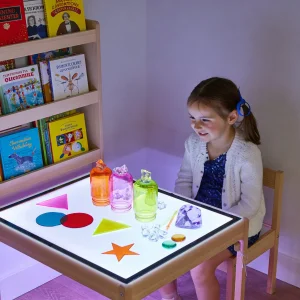
By embedding smart sensors into physical pieces, children receive immediate sensory feedback. Integrated light-emitting panels (such as LED-lit panels) and interactive voice models act as outputs for basic programmatic inputs. Sound synthesis microchips can prompt young developers with commands like, "Choose the red square block to complete the logic loop," resulting in high user retention rates and deeper educational value.
Developing robust electrical connectors within structural building blocks remains a mechanical challenge. Top manufacturers resolve this by integrating custom-molded neodymium magnets coupled with corrosion-resistant nickel contacts. This allows kids to snap functional circuits together safely. The physical structure maintains magnetic stability while establishing secure low-voltage paths for signals and power.
The cutting-edge frontier of educational STEM involves integrating offline Voice Synthesis (TTS) modules and capacitive touch interfaces. These devices process complex verbal instructions and adjust difficulty levels based on the child's response speed. Dongguan Briy Toys Co., Ltd. incorporates these advanced interactive concepts within their product design pipelines to deliver next-generation ODM platforms.
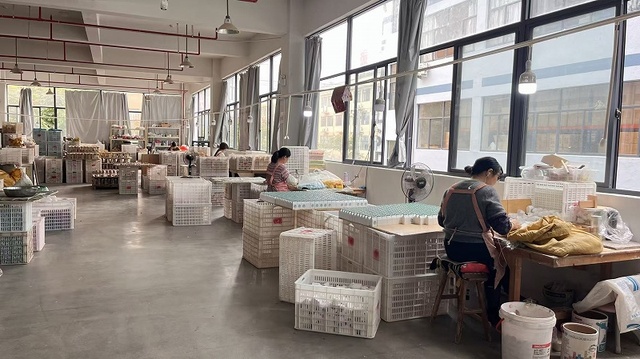
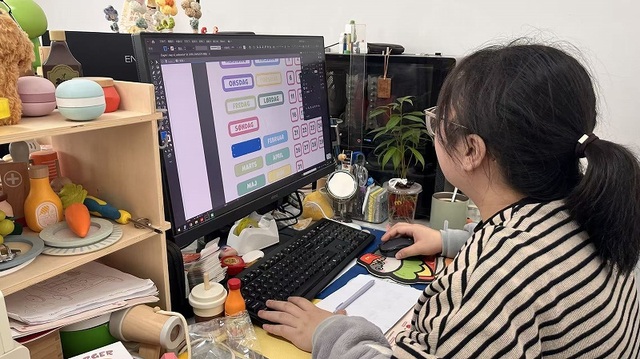
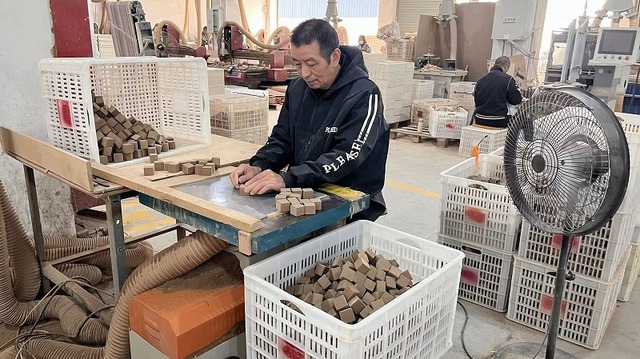
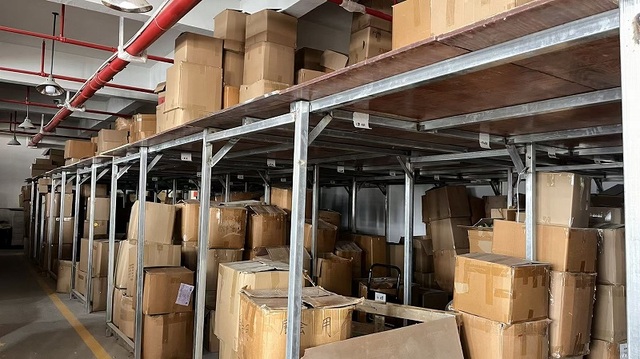
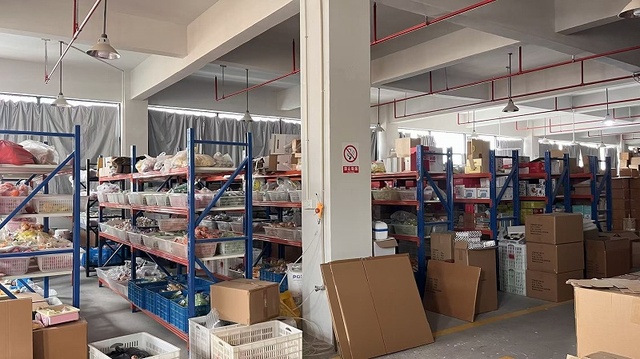
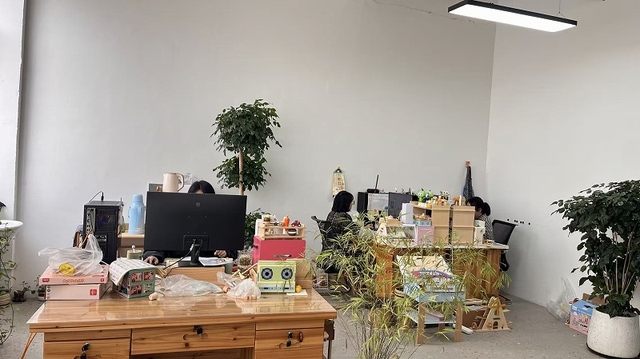
Inside Dongguan Briy Toys: Explore our specialized workshops, automated lines, assembly systems, and testing departments.
How B2B corporate buyers secure quality assurance, target supply chain gaps, and manage localization.
Partnering with a factory in Dongguan ensures rapid component sourcing. With thousands of raw material providers within a 50km radius, Dongguan Briy Toys provides cost advantages for structural plastic resins, natural timber, packaging paperboards, and microchips.
Importers need customized packaging, localized user manuals, and multi-lingual voice prompts. Our design division provides pre-press adjustments, custom box structural mockups, and local language testing to reduce lead times from design to retail shelf.
Every shipment undergoes physical and chemical testing. We ensure compliance with the European Toy Safety Directive (EN71), the Consumer Product Safety Improvement Act (CPSIA), and Japan's ST2016 safety norms, safeguarding your brand against recall risks.
Expert technical insights to help buyers manage MOQ requirements, quality parameters, and logistics.
MOQ configurations depend on customization needs. Standard products with private label packaging generally require 1,000 units. For fully customized electronic coding toys involving dedicated injection molds or proprietary PCB layouts, typical MOQ ranges from 2,000 to 3,000 units to offset mechanical tooling setup costs.
We screen raw materials before production. ABS pellets, organic wood, silicon adhesives, and coatings undergo testing via third-party laboratories (like SGS, Intertek, or TÜV Rheinland) to verify compliance with EN71 Part 3, REACH regulations, and California Prop 65.
Yes. Our engineering department can program custom audio, local accents, and educational voice prompts. Customers can upload MP3/WAV master files, and we load them onto dedicated sound chips during PCB assembly.
Standard production lead times are 30 to 45 days after deposit confirmation and sample approval. New ODM projects involving custom tooling, mold creation, and initial testing runs require an additional 25 to 30 days for design validation.
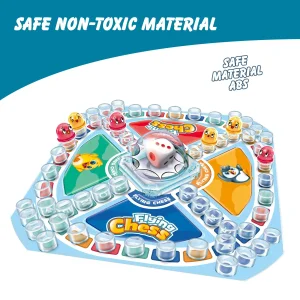
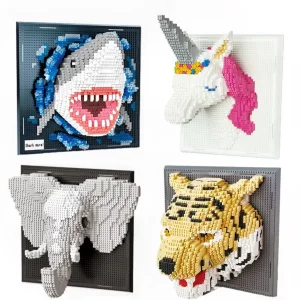
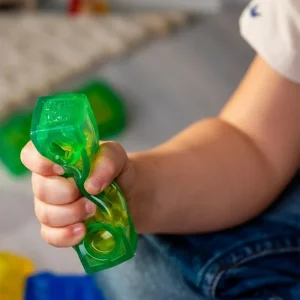
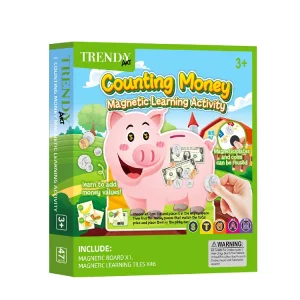
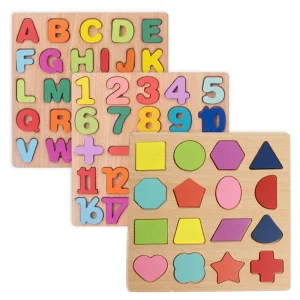
Sensory developmental interfaces, architectural puzzles, and high-performance interactive board systems.

 Briy Toys