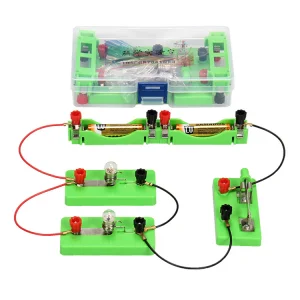
Featured early learning instruments, programming robotics, sensory integration boards, and cognitive learning tools manufactured under strict global standards.
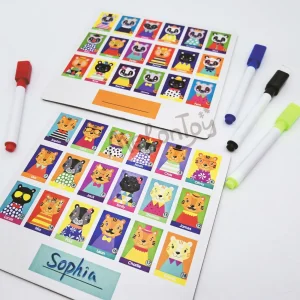
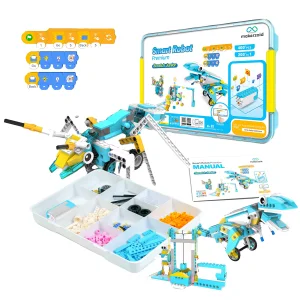
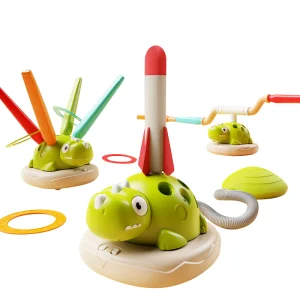
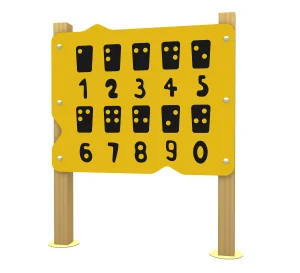
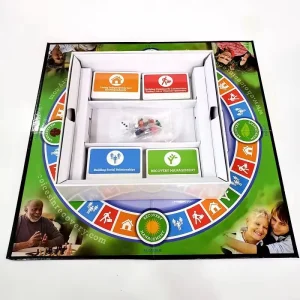
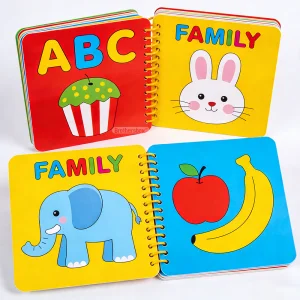
A B2B industrial handbook for toy brands, global sourcing managers, and early childhood educational institutions seeking premier OEM/ODM manufacturing capability.
In the contemporary educational technology sector, the phrase "Coding Activities" has evolved far beyond screen-based environments. As pediatricians and child development experts worldwide raise concerns regarding screen-time exposure, global educational systems are demanding a rapid shift to tangible programming interfaces. These tangible computing architectures transform abstract computational logic into physical, tactile manipulations. Physical components—such as RFID block-arrangements, optical-reader card grids, and smart mechanical modules—enable children to experiment with loops, variables, and algorithms with their hands.
For international sourcing directors and retail brands, this shift represents a substantial market transition. The demand is no longer for simple plastic shapes or passive board games. Instead, the market requires hybrid, interactive smart toys that combine tactile mechanics with integrated firmware. This creates a challenging manufacturing environment that bridges the gap between traditional injection molding, high-precision card printing, and advanced SMT (Surface Mount Technology) electronics manufacturing.
The manufacturing ecosystem for coding-themed products operates on a highly integrated supply chain. To ensure consistency, safety, and operational reliability, global toy brands rely heavily on specialized hubs in China, primarily in regions like Dongguan, Guangdong. Dongguan's manufacturing infrastructure offers deep integration across injection molding, card printing, precision electronic assembly, and testing.
Modern sourcing managers look for partners who can handle everything from micro-controller unit (MCU) programming to eco-friendly structural design. The convergence of multiple product disciplines—such as cardboard puzzle configurations, smart sensory panels, and plastic ABS robotic parts—requires a factory with diverse capabilities. To remain competitive, exporters must offer robust manufacturing solutions that cover both mechanical and electronic engineering, while also guaranteeing compliance with international toy safety standards.
Writing custom, lightweight firmware for smart toys, supporting features like offline voice recognition, sensor-feedback loops, and Scratch Jr logic.
Utilizing high-grade, non-toxic ABS materials, food-grade silicone components, and rounded-corner geometric layouts to ensure child-safe play.
Guaranteed compliance with EN71, ASTM F963, CPSIA, and CE, supported by comprehensive third-party lab testing documentation.
Analyzing market trajectory highlights several key trends driving development within the global toy trade:
Established in 2012, Dongguan Briy Toys Co., Ltd. has grown into a leading educational toy manufacturer in Dongguan, Guangdong, China. With a modern 12,000 square meter facility and a workforce of over 180 skilled technicians, the company operates as a key OEM/ODM manufacturing partner.
Briy Toys' product portfolio includes preschool learning systems, sensory tools, cognitive development platforms, Montessori-inspired wooden materials, and customizable early-childhood learning sets. The company provides end-to-end support for global distributors and e-commerce brands, handling everything from industrial design and raw material testing to shipping and delivery.
The company's ODM process is designed to support the fast-paced development cycles of modern educational brands. Briy Toys uses advanced software to quickly convert concepts into structural mockups, plastic mold drafts, and electronic circuit designs.
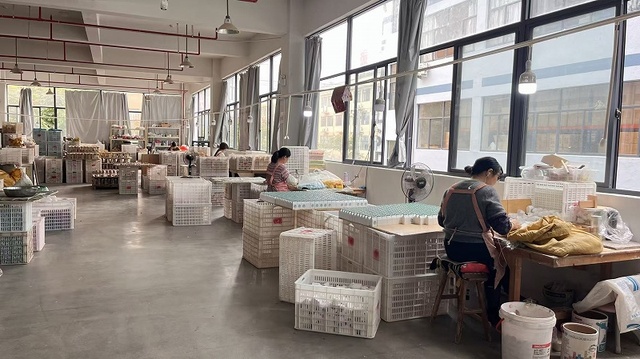
Our facility features dedicated injection molding stations, automated assembly lines, clean-room printing zones for high-end strategy cards, and specialized wood carving setups. By managing these capabilities under one roof, Briy Toys ensures consistent quality, strict safety compliance, and reliable production timelines.
A look inside our 12,000 square meter factory, featuring injection molding, assembly, testing, and shipping logistics.
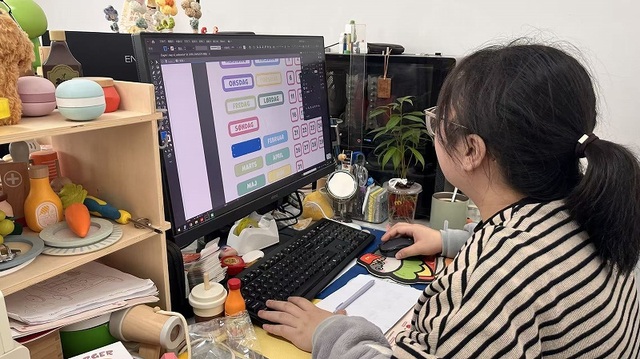
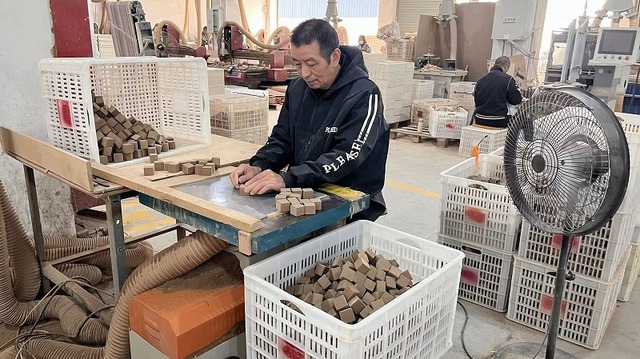
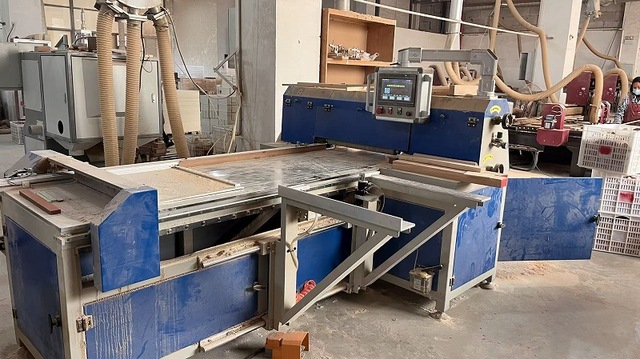
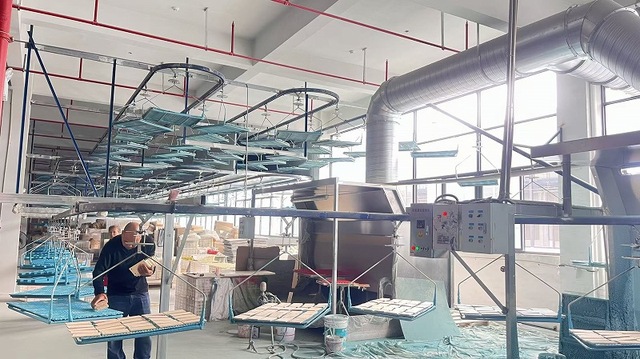
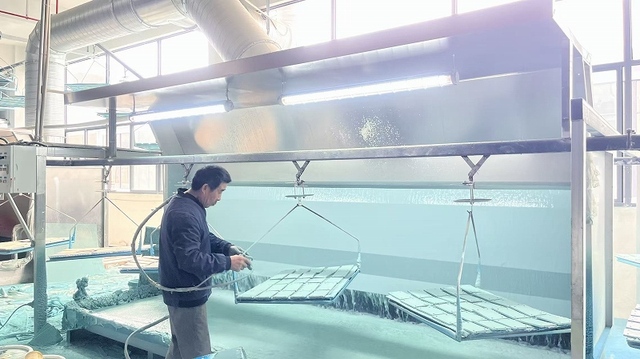
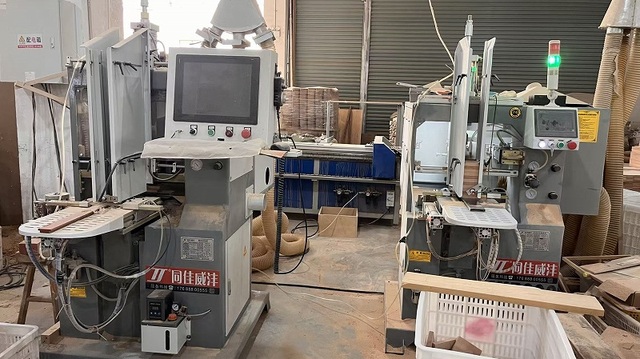
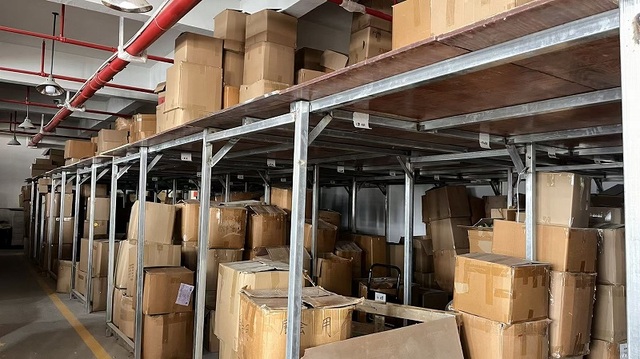
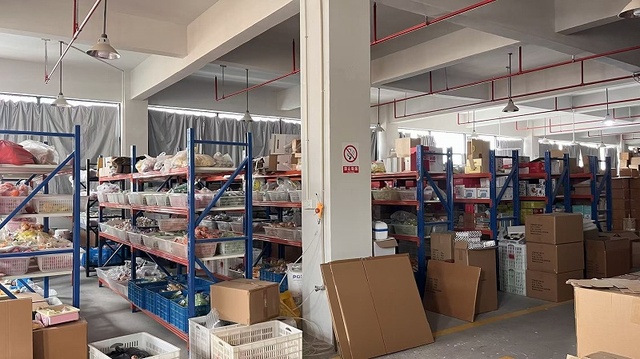
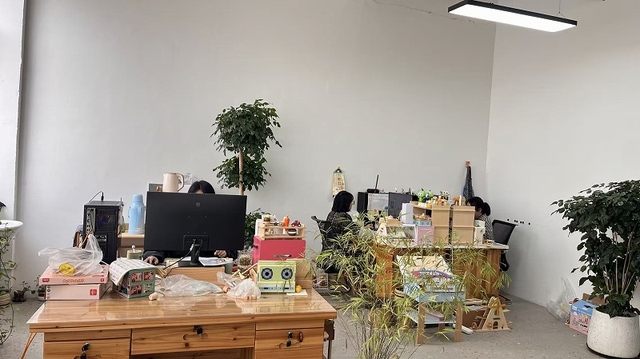
As computational thinking becomes integrated into early childhood standards, Briy Toys' technical development roadmap focuses on introducing new technology into physical toys.
Tangible programming interfaces and coding toys are used in a variety of educational and recreational settings:
Early childhood classrooms use tangible coding grids to introduce basic logic. Teachers can present spatial navigation challenges where students use programming blocks to route a robot, helping them build spatial reasoning and logic skills without screen exposure.
Sensory panels and wooden interactive boards are valuable tools in special education. The tangible, hands-on feedback helps children with sensory processing challenges build motor skills and learn basic sequences at their own pace.
Strategy card sets, custom family board games, and early-childhood learning devices offer families engaging alternatives to screens, combining family game night with active cognitive development.
STEM clubs use DIY robotics kits to bridge physical assembly with programming. Students assemble mechanical structures and write programs to control them, learning mechanics and software engineering concepts together.
Key information regarding production times, customized electronics development, safety certifications, and material sourcing.
For typical ODM products requiring custom plastics and basic PCB routing, the timeline is structured as follows: Industrial Design & 3D Modeling (10-15 days), PCB Design & Prototype (15-20 days), Mold Tooling (30-35 days), and Pilot Production run with stress-testing (15 days). Total development to pre-production sample ranges between 70 to 90 days.
We source all raw polymers (ABS, PP) from certified manufacturers with full trace audits. Wooden materials are FSC certified (Forest Stewardship Council) to ensure sustainability. Paper stocks are printed using non-toxic soy-based inks. We perform routine internal heavy-metal and phthalate screenings before raw materials are released to the production line.
Yes. Our internal engineering department has experience building RFID-sensor reader boards, optical card scanning cameras, and Bluetooth controllers. We can assist in configuring protocol structures, mapping program tokens, and organizing the physical cards to match your software requirements.
Every production batch is tested for safety and durability, including drop tests, tensile strength testing, temperature/humidity storage tests, and electromagnetic compatibility (EMC) testing for electronic models. We work with third-party testing laboratories (like SGS, Intertek, and TUV) to issue EN71 and ASTM F963 certificates for your target market.
Our standard production MOQ starts at 1,000 sets for standard wooden assemblies and card printing orders. For custom injection-molded components that require new molds, MOQ is typically 3,000 sets. We can discuss flexible step-orders for new brands during the initial validation phase.
Intellectual property protection is a core company policy. We establish formal Non-Disclosure Agreements (NDAs) before reviewing any drawings, 3D designs, or software code. Custom injection molds are owned by the client and stored in secure tooling rooms, ensuring your proprietary designs remain exclusive.
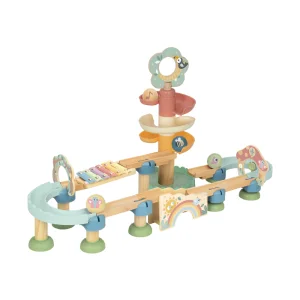
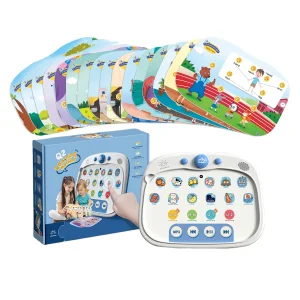
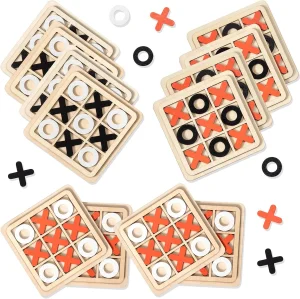
Explore our additional range of wooden boards, logic matching games, outdoor exploration panels, and early learning aids.
 Briy Toys