
Modern educational environments are undergoing a profound spatial and neurological transformation. Static learning paradigms are giving way to dynamic, sensory-rich interactions. Our comprehensive B2B supply mechanisms address the exponential increase in demand for certified exploratory apparatus.
The contemporary early childhood education framework targets brain plasticity through multi-modal feedback. By providing toys designed around the principles of sensory-motor loops, institutions foster greater spatial-temporal coordination and lateral thinking.
For global distributors, certification is not simply a regulatory gate, but an indication of mechanical and chemical security. CE, EN71, and ASTM F963 frameworks guarantee zero exposure to lead, cadmium, phthalates, and high-impact physical risks, assuring safety under rigorous usage conditions.
Market indices project the educational and sensory toys market to reach a value of over USD 36.8 Billion by 2031, exhibiting a CAGR of 6.7%. The strongest growth indicators are reported from institutional buyers seeking modular learning tables and open-ended systems.
How exploratory learning components function depends heavily on localized environments, institutional curricula, and national educational directives.
In Germany, France, and Scandinavia, public early-childhood institutions are shifting from structured, teacher-led instruction to self-directed, nature-centric, and sensory play models.
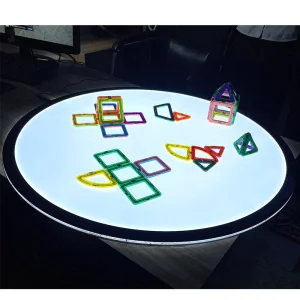
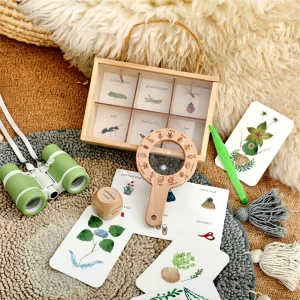
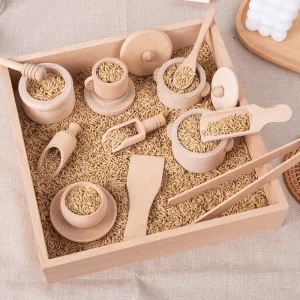
Our Wooden Sensory Bins and LED Light Tables are deployed to stimulate tactile perception, assisting children in identifying geometry, color theories, and micro-ecosystems naturally. Our certified safe materials meet the stringent regional chemicals and physical guidelines of these public procurement initiatives.
School districts across the USA and Canada prioritize the early integration of mathematical concepts, engineering logic, and scientific observation.
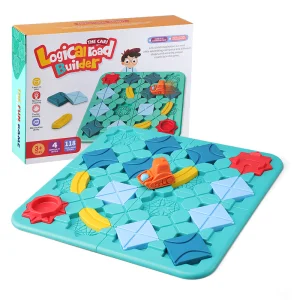
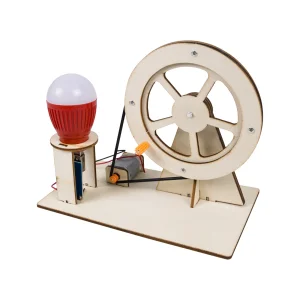
Products such as the 118 Challenges Brain Teaser Car Maze and the Hand-Cranked DIY Generator are utilized as hands-on project materials. They bridge the gap between abstract physics concepts and tangible mechanical actions, enhancing spatial logic, troubleshooting capacities, and confidence in technical skills.
Private education companies in the GCC region require high-end educational facilities built with durable, premium materials.
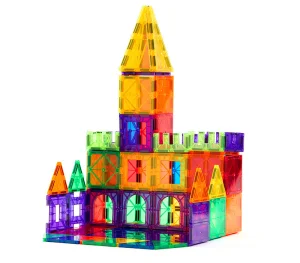
Our specialized Food-Grade Silicone Mountain Stacking Blocks and customized large-scale Magnetic Building Tiles are utilized within smart sensory rooms. Designed to withstand temperature fluctuations, they offer schools and rehabilitation centers durable learning tools that retain their color and structure over time.
In Japan, South Korea, and Singapore, high academic benchmarks drive demand for logic games that foster spatial reasoning and problem-solving at early ages.
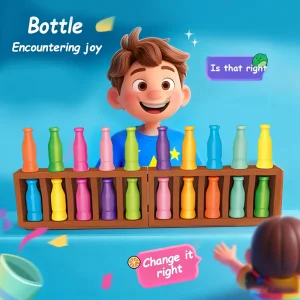
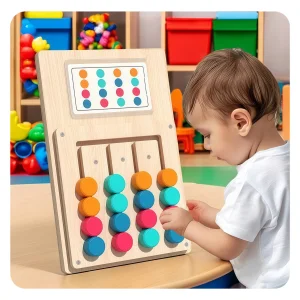
Our Color Matching Logic Games and Bottle Matching Memory Board Games are popular among both preschool institutions and families. These tools help children develop concentration and executive function skills, preparing them for structured academic tasks without inducing early learning burnout.
The border between physical toys and digital interfaces is morphing. Our engineering department operates at the convergence of tangible interfaces and responsive technologies.
Current phase centers around migrating natural raw materials into structural composites. We are expanding the utilization of organic, plant-based silicones and recycled structural wood composites to reduce the carbon footprint of toys while retaining a premium touch.
Developing low-energy, eye-safe, multi-spectral LED tables and digital tactile platforms. These tools integrate capacitive-touch mechanisms to trigger audio-visual cues, helping children with sensory processing differences explore concepts more comfortably.
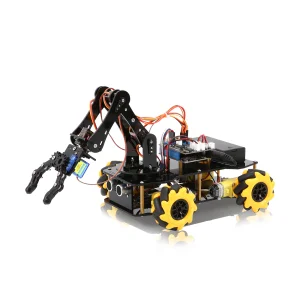
Integrating open-source microcontrollers (such as Arduino and Micro:bit-compatible systems) into mechanical platforms like our Mecanum-wheeled robot arms. This bridges early play and school-level coding, creating a continuous, adaptive learning system.
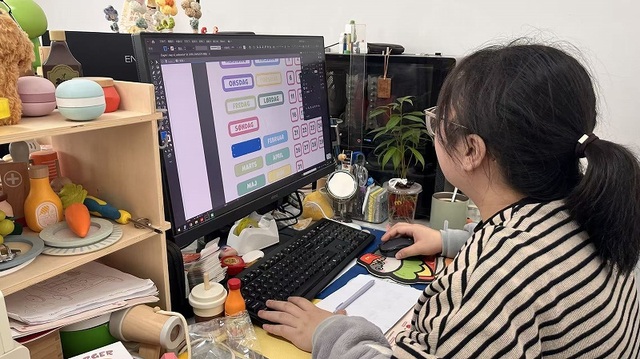
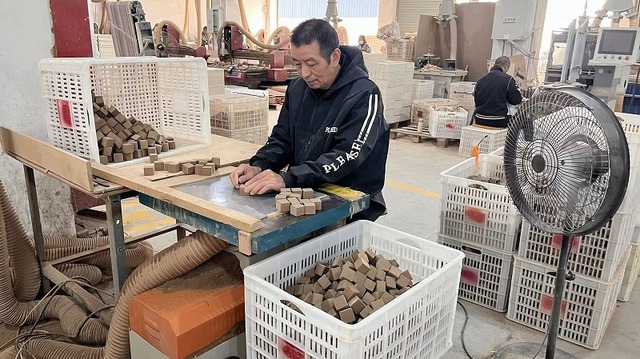
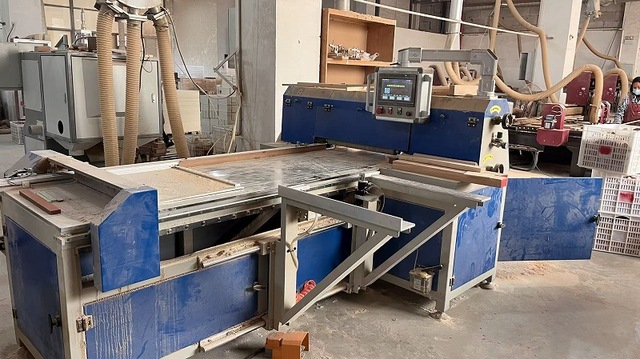
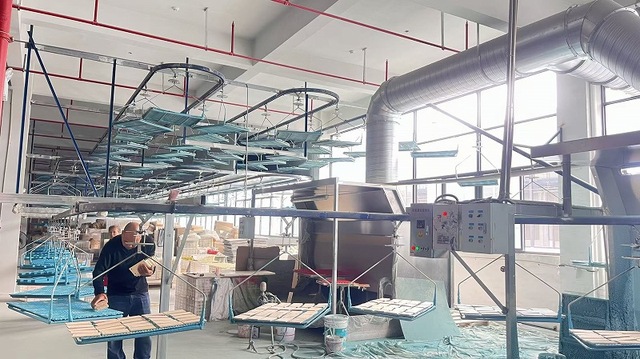
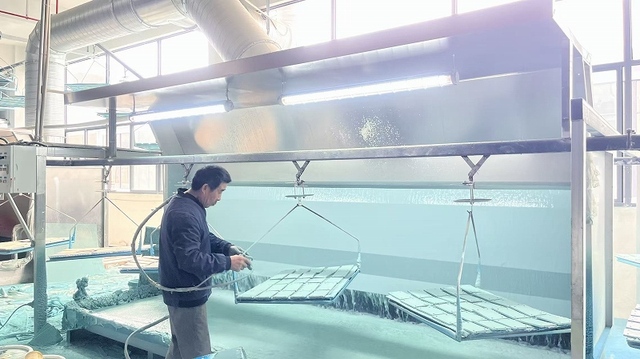
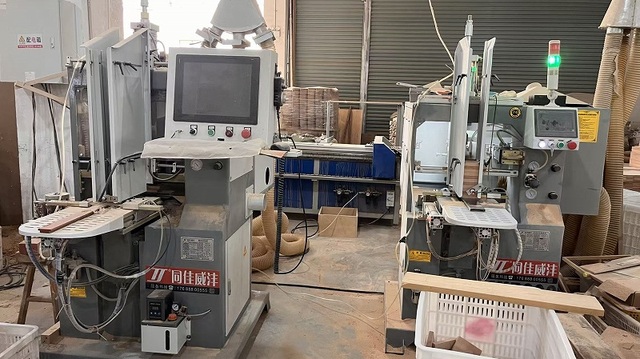
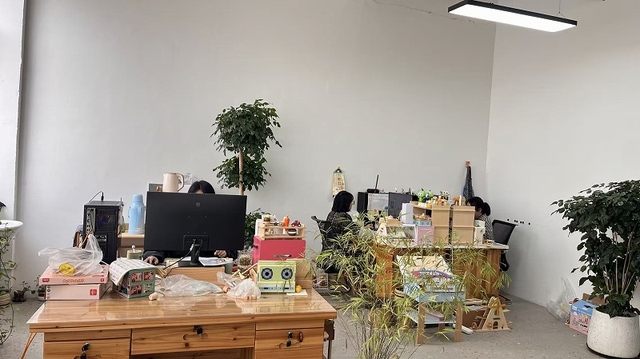
Established in 2012, Dongguan Briy Toys Co., Ltd. has developed into a reliable manufacturing partner in the educational toy sector. Located in Dongguan, Guangdong, the manufacturing heart of China, we provide B2B clients with significant supply chain stability and production capacity.
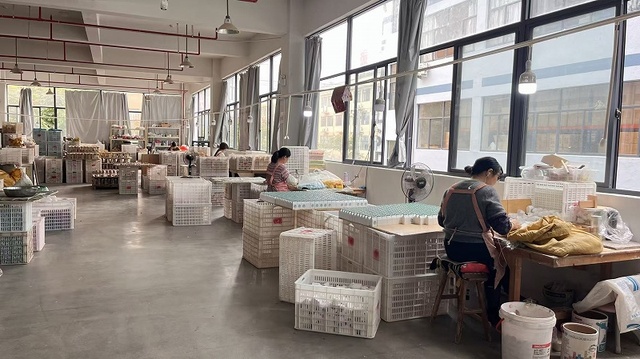
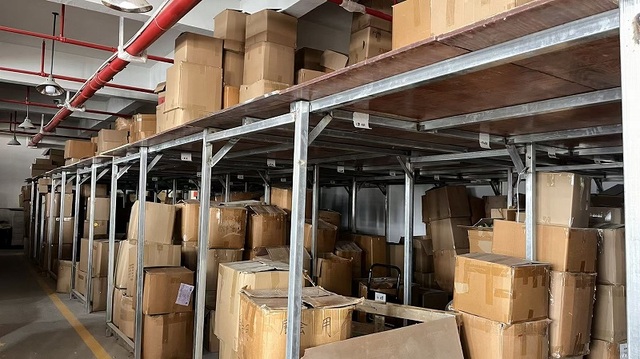
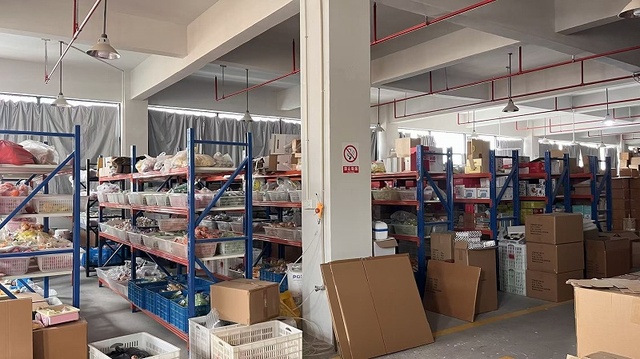
Our facility spans over 12,000 square meters and is staffed by more than 180 experienced professionals, allowing us to manage large production volumes without sacrificing precision. The Dongguan industrial ecosystem grants us immediate access to raw materials, rapid prototyping technologies, and reliable transport infrastructure, keeping our operations efficient and cost-effective.
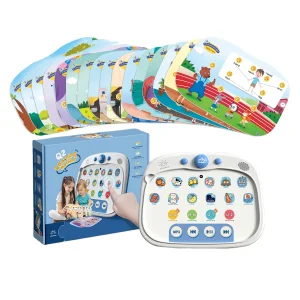
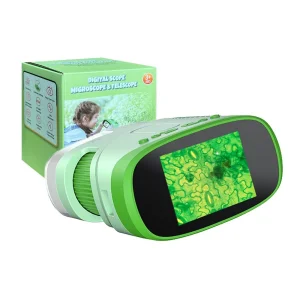
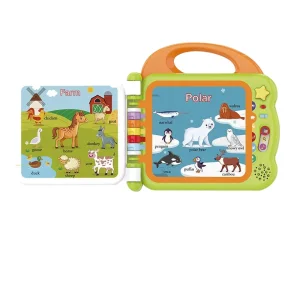
Briy Toys' product portfolio includes:
Our quality control processes cover every phase, from raw material inspection (plastics, metals, wood, non-toxic coatings) to assembly and packaging. Backed by our R&D team, we support flexible OEM and ODM partnerships, offering tailored modifications, packaging design, and branding options to match our clients' needs.
By working with us, global buyers benefit from streamlined production, consistent manufacturing quality, and competitive lead times, ensuring a reliable supply of products for diverse markets.
Exporting to highly regulated markets requires thorough documentation, trace-tested materials, and strict safety testing protocols.
All products are tested to meet the requirements of EN71 Parts 1 (Mechanical and Physical), 2 (Flammability), and 3 (Migration of Specific Elements). We also ensure compliance with RoHS and REACH standards for electronic components, guaranteeing safety for target end-users.
For the North American market, our manufacturing lines adhere to the strict guidelines of ASTM F963. We conduct regular physical tests, including drop testing, tension tests, and compression analyses, to verify structural integrity and prevent potential hazards.
We customize packaging to include necessary regulatory warnings, local distributor markers, and age group designations, ensuring compliance with local import regulations and making customs clearance smoother.
Here are common inquiries from global importers, educational distributors, and e-commerce brand owners regarding our manufacturing capability and processes.
We work with recognized third-party testing agencies (such as SGS, TUV, and Intertek) to run chemical analysis and physical testing protocols. Official CE certificates and EN71 reports are provided directly to clients during the shipping preparation phase.
For standard OEM orders, production typically takes 30 to 45 days after design confirmation and deposit receipt. Lead times can vary depending on product complexity and current factory capacity, particularly during seasonal production peaks.
Yes. Our R&D and design teams assist with layout work, custom logo engraving, color selection, and localized packaging structure designs to meet the branding standards of our clients.
MOQs depend on the product type. Standard items usually start at 500 to 1,000 units, while customized models or custom silicone designs requiring new tooling may have higher thresholds. Please contact our sales department for specific project quotes.
 Briy Toys