In today's fast-paced world, parents are constantly seeking the best for their children. One key question arises: why do parents buy educational toys? These toys have gained popularity due to their ability to promote learning through play. Many parents believe that early childhood education is crucial for future success.
Educational toys often spark a child's curiosity. They encourage exploration and creativity. Parents trust that these toys will help their children develop critical thinking skills. Furthermore, these products can enhance motor skills and social interactions. Parents want toys that balance fun and learning.
Despite the benefits, not all educational toys live up to their promises. Some may lack engagement or fail to develop the intended skills. Parents must navigate this landscape carefully, seeking reliable information. Ultimately, the choice of toys reflects parents' hopes for their children's growth and development in an ever-evolving world.
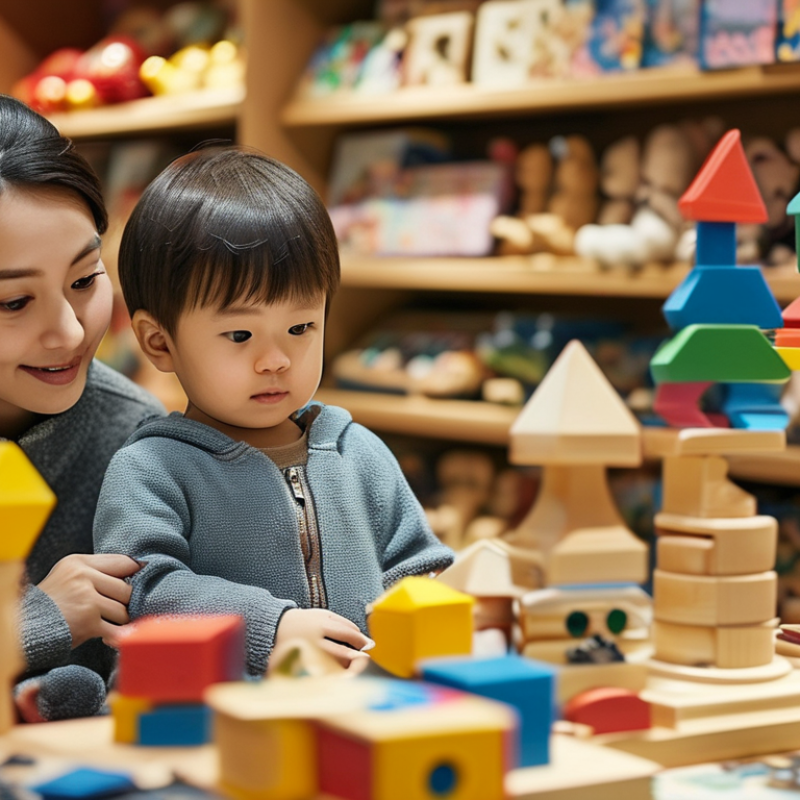
Educational toys play a crucial role in enhancing cognitive development in children. According to a report by the American Academy of Pediatrics, play is essential for healthy brain development. Engaging with toys that promote problem-solving skills helps children learn effectively. Studies show that interactive toys improve critical thinking. Children who play with these toys tend to score higher on cognitive assessments.
Moreover, educational toys stimulate creativity and imagination. Research from the National Association for the Education of Young Children indicates that imaginative play is vital for social and emotional skills. For instance, building blocks not only enhance fine motor skills but also encourage collaboration. Children learn to share, negotiate, and work in teams, skills essential in today's world.
Parents often overlook the long-term impact of these toys. While color and design attract children, the hidden lessons are what matter. A simple puzzle, for example, can spark persistence as kids work to find solutions. Not every child will respond to the same toy. This requires parents to be observant and adapt their choices. Thus, selecting the right educational toys is a thoughtful process that shapes a child's future skills and abilities.
Educational toys play a crucial role in developing problem-solving skills in children. These toys often involve elements of challenge and creativity. When children engage with these activities, they learn to think critically. They analyze situations, consider different solutions, and test their ideas through play. This hands-on approach fosters a deeper understanding of concepts.
For instance, building blocks allow kids to experiment with structures. They assess which shapes fit together and how to create stable towers. This type of play requires patience and perseverance. Children may face failures as their structures tumble down. Such moments give them opportunities to reflect and attempt new strategies. Each failure becomes a lesson in adaptability and resilience.
Moreover, educational toys often encourage collaborative play. Kids might work in pairs or groups, discussing their ideas. This interaction helps them articulate thoughts and negotiate differences. They learn to appreciate diverse perspectives. However, not all children may feel comfortable in group settings. Some may prefer solitary play, which can lead to missed opportunities for social learning. Balancing both types of play is essential for holistic development.
Educational toys play a crucial role in fostering creativity and imagination in children. According to a report by the American Academy of Pediatrics, children learn best through play, which encourages exploration and experimentation. Toys that promote imaginative play, such as building blocks or art supplies, can significantly enhance cognitive development. They engage multiple senses, stimulating a child's curiosity and prompting them to create unique worlds.
To nurture creativity at home, consider offering a variety of educational toys. For instance, puzzles can boost problem-solving skills, while dress-up sets allow kids to role-play. Parents should remember that not all toys are created equal. Some may lack the stimulating features that cultivate imagination. It’s vital to assess the potential of each toy beyond its surface appeal.
When choosing toys, think about versatility. Toys that serve multiple purposes can encourage innovation. Art kits may inspire young artists, while construction sets can facilitate engineering skills. Keep in mind that too many options can overwhelm children. A thoughtful selection of toys focused on different creative aspects can provide the balance your child needs for effective learning.
Educational toys play a significant role in developing social skills and teamwork among children. Research shows that children learn better in collaborative environments. According to a study by the Toy Association, 80% of parents noted improvements in their child’s social interactions when playing with educational toys. This highlights the toys' effectiveness in fostering communication and cooperation.
When kids engage with educational toys, they often work together to solve problems. This kind of play encourages negotiation and sharing. A report from the American Academy of Pediatrics indicates that children who play collaboratively show higher emotional intelligence. They understand others' feelings better and navigate social situations smoothly. For instance, while building a block tower, children learn to express their ideas and listen to their peers.
However, it's vital to recognize that not all educational toys are equally effective. Some toys may not promote teamwork as intended. Parents must choose wisely, opting for those that encourage joint participation. Reflecting on the types of toys purchased can reveal gaps in enhancing social development. As children play, observing their interactions can provide insights into their social growth.
Educational toys play a crucial role in enhancing children's cognitive and emotional development. They stimulate creativity and problem-solving skills. For instance, building blocks encourage spatial awareness and critical thinking. Children engage with these toys, exploring concepts in a hands-on way that traditional learning cannot replicate. This active participation fosters a deeper understanding of various subjects.
Investing in educational toys also teaches important life skills. Kids learn patience and perseverance when they face challenges. Playing with others promotes teamwork and communication. These experiences shape their social abilities and emotional intelligence. Parents often find that these toys create opportunities for meaningful interactions, not just between siblings but also between parents and children.
However, not all educational toys are effective. It’s important for parents to choose wisely. Sometimes, overly complex toys can lead to frustration instead of learning. Reflecting on what works for their child is essential. Observing their interests can guide parents in selecting the right tools for growth. Balancing purchase decisions is necessary for long-term benefits.
This chart illustrates the reasons why parents invest in educational toys for their children, highlighting the long-term benefits of such investments.
: Educational toys challenge children, encouraging critical thinking through hands-on play and experimentation, leading to deeper understanding.
Failures, like a tower tumbling down, teach patience, adaptability, and resilience. They encourage children to reflect and try new strategies.
Collaborative play helps children articulate thoughts and appreciate diverse perspectives, although some may prefer solitary play, missing out on social learning.
Offering a variety of educational toys, like puzzles and art supplies, encourages exploration and supports cognitive development in children.
Parents should assess the potential of toys beyond surface appeal, focusing on versatility and the ability to inspire innovation and creativity.
No, some toys may be overly complicated and lead to frustration. It’s important to observe and reflect on what engages a child.
Playing with educational toys promotes teamwork and communication, shaping children’s social skills and emotional development through shared experiences.
Yes, offering too many choices may overwhelm kids. A thoughtful selection with varied creative aspects can balance their learning experience.
Parents often wonder why do parents buy educational toys for their children, and the reasons are compelling. Educational toys play a vital role in enhancing cognitive development by challenging children’s minds and encouraging critical thinking. They also promote vital problem-solving skills, allowing kids to learn how to approach and overcome obstacles. Furthermore, these toys foster creativity and imagination, providing endless possibilities for open-ended play that ignites a child’s inventiveness.
The benefits extend beyond individual skill sets; educational toys significantly impact social skills and teamwork. When children play together using these products, they learn cooperation, communication, and shared problem-solving. Investing in educational toys is a long-term strategy that supports holistic child development, ensuring a bright future filled with curiosity and cooperation.

Briy Toys