Educational toys play a crucial role in a child's development. They spark imagination and stimulate cognitive growth. Many parents often wonder why educational toys are important. These toys foster critical thinking, creativity, and problem-solving skills.
Research shows that children learn best through play. Engaging with educational toys helps develop fine motor skills and hand-eye coordination. Each toy presents unique challenges, encouraging children to explore and discover. This exploration is key to their cognitive development.
Additionally, educational toys can bridge the gap between learning and fun. They provide an interactive way for children to grasp complex concepts. However, not all toys are effective. It’s vital for parents to choose age-appropriate and stimulating options. Balancing education and enjoyment can be a challenge. Reflecting on the choices we make in toys can guide children's learning journey.
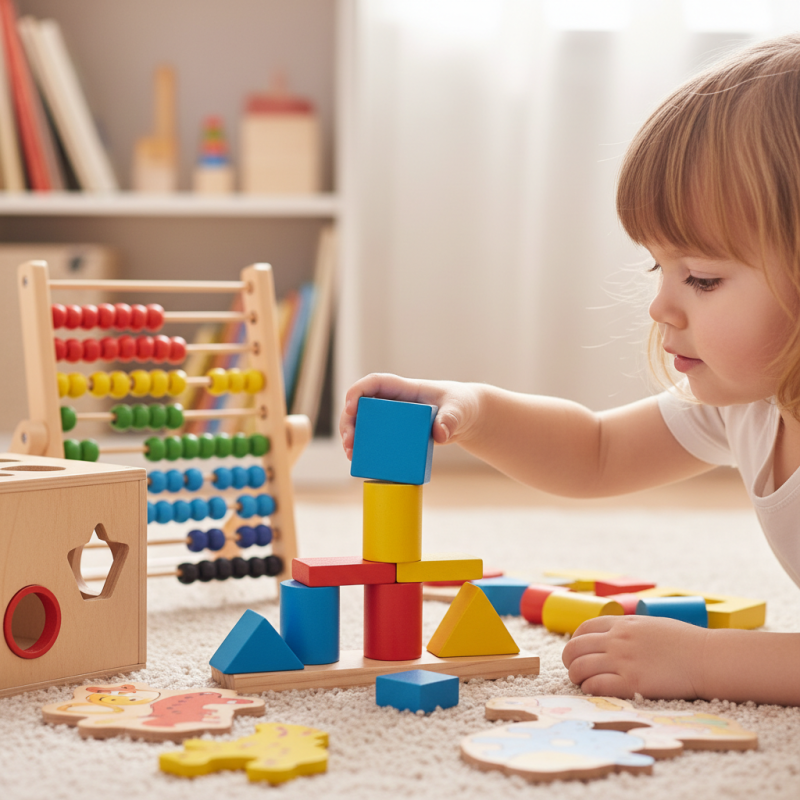
Educational toys play a crucial role in
cognitive development for children. These toys are not just tools for fun; they stimulate learning.
When children engage with puzzles, building blocks, or
interactive games, they enhance problem-solving skills. Every piece
they fit together promotes critical thinking. These
activities challenge young minds and foster creativity.
Moreover, children learn to focus and concentrate through these toys. Each task they complete boosts their
confidence. Observing a child's excitement as they accomplish a challenging goal is rewarding. However,
it's essential to choose the right type of toys.
Not all toys encourage cognitive growth. Some may simply entertain without promoting learning. Caregivers
should assess whether toys promote exploration and critical thinking.
This requires reflection on the available options. Choose wisely to support a child's developmental journey effectively.
Play is a vital component of child development. Engaging with educational toys can significantly enhance motor skills and coordination. Toys that encourage movement, such as building blocks or puzzles, facilitate physical activity. When children stack blocks, they not only boost strength but also refine their hand-eye coordination.
This interaction with toys helps develop fine motor skills. For instance, manipulating small objects teaches precision. Children learn how to grasp, lift, and balance. These actions might seem simple, but they contribute massively to overall development. Simple mistakes, like dropping a block, can be learning moments. They teach persistence and the importance of practice.
Moreover, outdoor play with balls or climbing structures fosters gross motor skills. Running, jumping, and climbing are essential for bodily coordination. Children learn to navigate space and develop confidence. Messy play, like pouring sand or splashing water, offers sensory experiences. These activities can be chaotic but also critical for growth. They allow children to explore limits and understand their bodies.
Educational toys play a significant role in fostering social and emotional growth in children. They encourage interaction, helping young learners develop essential communication skills. When children engage with others during play, they learn to express emotions and understand different perspectives. For instance, during a group activity with building blocks, a child must negotiate sharing and collaborative decisions. Such experiences are invaluable for developing empathy and teamwork skills.
Moreover, educational toys can help children navigate their emotions. Many toys allow children to role-play various scenarios. For example, a puppet set can help kids explore feelings by reenacting different situations. This exploration provides a safe space for children to discuss their emotions and learn the importance of emotional expression. It can be challenging, though; children might struggle to articulate their feelings. This imperfection opens opportunities for reflection and deeper understanding.
Play with educational toys also teaches resilience. Children often face challenges while playing. They may build structures that collapse or compete in games that they lose. These experiences can be frustrating but crucial for emotional growth. Navigating these challenges helps children learn to cope with disappointment and develop a growth mindset. The emotional skills gained during play significantly impact their future social interactions.
Educational toys play a vital role in fostering creativity and imagination in children. Research shows that engaging with these toys can significantly enhance a child’s cognitive development. According to a report by the American Academy of Pediatrics, 90% of brain development occurs before age five. This critical period means that the toys children interact with can shape their future thinking and problem-solving abilities.
Creative play with educational toys encourages children to explore different scenarios. For instance, building blocks or art supplies allow kids to express their thoughts visually. The Child Development Institute emphasizes that hands-on activities boost spatial reasoning and critical thinking. These experiences not only nurture creativity but also cultivate resilience as children learn to overcome challenges during play.
However, not all toys promote imagination equally. Some toys can limit a child’s creativity by providing excessive structure. Reflections from experts show that while structured toys have benefits, unstructured play is necessary for free thinking. In the balance between guidance and freedom, the right educational toy can catalyze a child’s imaginative journey. Ultimately, the choice of educational toys matters greatly. They should empower children to explore their ideas and develop a sense of wonder.
Educational toys play a crucial role in early learning and development. Research shows that children learn best through play. A study indicated that 75% of parents noticed improved cognitive skills in their children after using educational toys. Toys that require problem-solving and creativity boost essential skills.
Tip: Look for toys that encourage imagination. Simple blocks, puzzles, and art supplies foster creativity. These toys engage children, allowing them to express themselves while enhancing fine motor skills.
Statistically, children who engage with educational toys perform better in school. A report found that 80% of educators support the inclusion of these toys in early education. Furthermore, children who play with educational toys often demonstrate stronger social skills. They learn to share and cooperate with peers.
Tip: Choose toys that promote teamwork. Board games and cooperative activities teach children how to work together. This prepares them for real-life interactions and challenges. Reflect on how the right toys can shape your child's future.
: Educational toys stimulate learning, enhance problem-solving skills, and foster critical thinking in children.
Completing tasks with educational toys boosts a child's confidence and encourages them to tackle challenges.
No, not all toys promote cognitive growth; some merely entertain without facilitating learning or exploration.
Play with educational toys helps children explore scenarios and express their thoughts, enhancing creativity and resilience.
While structured toys offer some benefits, they can limit a child's creativity compared to unstructured play.
Caregivers should assess whether the toys encourage exploration, critical thinking, and match a child's developmental needs.
Yes, 90% of brain development occurs before age five, making early interactions with educational toys vital.
Hands-on activities facilitate spatial reasoning, critical thinking, and encourage children to overcome challenges during play.
Not all educational toys promote imagination. The right balance between structure and freedom is important.
Caregivers need to reflect on toy options and choose those that empower children to explore their ideas and creativity.
Educational toys play a crucial role in child development, which raises the question: why are educational toys important? These toys significantly contribute to cognitive development by stimulating problem-solving skills and critical thinking. Through interactive play, children enhance their motor skills and coordination, which are essential for their physical development. Furthermore, educational toys facilitate social and emotional growth, allowing children to learn about teamwork, empathy, and self-regulation as they engage with peers.
Additionally, these toys foster creativity and imagination, providing a platform for children to express themselves and explore new ideas. Statistical evidence supports the assertion that educational toys are vital in early learning, demonstrating their effectiveness in setting a solid foundation for children's ongoing educational journeys. In summary, educational toys are indispensable tools that not only entertain but also equip children with essential life skills.

Briy Toys