When considering "what educational toys help motor skills," many parents seek reliable insights. Dr. Emily Carter, a child development specialist, emphasizes, “The right toys can transform how children develop essential skills.” This perspective highlights the importance of selecting age-appropriate toys that encourage coordination and dexterity.
Educational toys play a crucial role in enhancing motor skills. Options like building blocks, balance bikes, and puzzle games engage children physically and mentally. For instance, blocks foster hand-eye coordination, while balance bikes improve balance and gross motor skills. However, not every toy fits every child, and some may prove too challenging or overly simple. Parents should observe their children's interests and abilities before making choices.
Finding the best educational toys challenges many caregivers. Experimentation with various toys can yield surprising results. Moreover, it's okay to reassess choices as children grow. The journey of exploring what educational toys help motor skills is ongoing and adaptive. Understanding each child's unique needs will lead to a more effective learning experience.
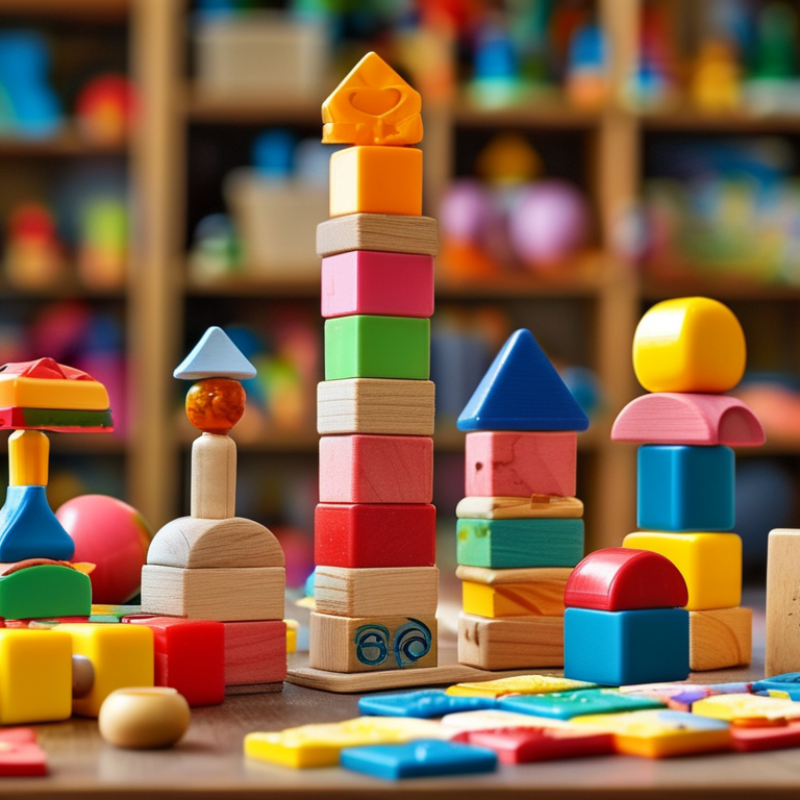
When considering toys for enhancing motor skills in children, several types stand out. Building blocks are a great option. They engage a child's hand-eye coordination and fine motor skills as they grasp, stack, and balance pieces. A 2020 report from the American Academy of Pediatrics indicates that such manipulative play is crucial for cognitive and physical development.
Puzzles are another important educational toy. They require children to fit pieces together, promoting problem-solving skills along with dexterity. Data from a recent study suggests that children who regularly engage with puzzles show a marked improvement in spatial skills. Additionally, arts and crafts supplies, like drawing tools and clay, further encourage creativity and fine motor control. Children develop grip strength and coordination as they create.
Outdoor toys, such as balls and tricycles, also play a significant role. These encourage larger movements and promote gross motor skills. The National Association for the Education of Young Children emphasizes that outdoor play is vital for developing balance and coordination. However, it's essential to recognize the limitations some children face with these toys. Patience and guidance may be required to nurture their skills.
Fine motor skills play a crucial role in early childhood development. These skills are the small movements that involve the coordination of hands and fingers. Children develop fine motor skills through play, which can significantly enhance their cognitive and physical development. According to a study published by the American Academy of Pediatrics, engaging in activities that promote fine motor skills can improve hand-eye coordination by almost 30% in preschool-aged children.
Educational toys can effectively support this growth. Toys such as building blocks, puzzles, and art supplies encourage manipulation and creativity. Research from the National Association for the Education of Young Children suggests that children who engage with these kinds of toys demonstrate better dexterity. They also show increased problem-solving skills. Observing children as they play reveals that even simple actions, like stacking or drawing, require a level of focus and control that is essential for their development.
However, not all children develop at the same pace. Some may struggle with fine motor tasks, which can lead to frustration. This divergence emphasizes the need for a tailored approach to playtime. Parents and educators should monitor these skills and adapt activities accordingly. Recognizing individual progress and encouraging persistence can foster resilience in young learners. Understanding this journey is vital in ensuring that children reach their full potential.
When it comes to developing gross motor skills, choosing the right educational toys can make a significant difference. Toys that encourage movement are essential for children aged 1 to 5. Push toys, for instance, help toddlers strengthen their legs and learn balance. These toys provide stability as kids take their first steps. Children can start using these at an early age.
Outdoor playsets are also great for motor skills. Climbing structures, slides, and swings promote climbing, sliding, and hanging. These actions engage different muscle groups. Children improve coordination and strength as they navigate these toys. Beach balls can also be effective. They encourage throwing, catching, and running, making playtime both fun and skill-enhancing.
Finding the right toy can be a challenge. Every child is different. Some may prefer swinging, while others enjoy climbing. It's crucial to observe what engages your child most. This approach can help in choosing toys that not only entertain but also foster growth. Children sometimes need a little extra push. Introducing new toys can create excitement and encourage them to practice their skills. Parents play a key role in this exploration.
Choosing the right educational toys can significantly enhance motor skill development in children. Experts agree that toys that promote fine and gross motor skills are essential. These include blocks, puzzles, and manipulatives that encourage hand-eye coordination. According to a report by the American Academy of Pediatrics, active play can improve children's physical development and cognitive abilities.
When selecting toys, consider the age appropriateness and safety standards. Some toys might look engaging but could pose choking hazards or be made of harmful materials. The National Association for the Education of Young Children emphasizes the importance of checking for certifications and safety labels. Additionally, observe how your child interacts with each toy. It’s crucial to see what sparks their interest and challenges them.
Research suggests that children engage better with toys that allow for creativity. Toys that encourage open-ended play can lead to more imaginative scenarios. However, it's important to strike a balance. Too many options might overwhelm young learners. Focus on a few high-quality toys rather than a plethora of choices. Assess your child's skills regularly to ensure the toys remain challenging and beneficial.
| Toy Type | Motor Skills Improved | Age Recommendation | Description |
|---|---|---|---|
| Building Blocks | Fine Motor Skills and Hand-Eye Coordination | 2-6 years | Encourages creativity and spatial awareness through stacking and construction. |
| Shape Sorters | Fine Motor Skills and Problem-Solving | 1-3 years | Helps children learn shapes and develop dexterity by matching shapes. |
| Puzzles | Hand-Eye Coordination and Critical Thinking | 2-5 years | Encourages problem-solving skills while improving hand coordination through piece placement. |
| Art Supplies (e.g., Crayons, Paints) | Fine Motor Skills and Creativity | 2+ years | Promotes creativity and helps develop grip and control through various art techniques. |
| Balance Bikes | Gross Motor Skills and Balance | 3-5 years | Teaches balance and coordination, serving as a precursor to riding a bike. |
Play-based learning significantly influences children's motor skill development. Research shows that engaging children in play can enhance their fine and gross motor skills. For instance, a study conducted by the American Academy of Pediatrics indicates that play helps children develop coordination and strength. These essential skills lay a foundation for everyday activities.
Toys designed for motor skill improvement are crucial. Building blocks, puzzles, and simple art supplies encourage hand-eye coordination. According to a report by the National Association for the Education of Young Children, children who engage in play with these tools show a 30% faster skill acquisition rate compared to those who don't. However, the effectiveness of play can vary. Not all children are equally motivated by the same activities.
Challenges arise when children are overstimulated or pressured to perform. This can lead to frustration, hindering their growth. Observing children's reactions to different toys is key. It's important to offer diverse play options, allowing children to explore and key into their interests. Tailoring the play experience can support both engagement and skill development effectively.
: Building blocks, puzzles, and arts and crafts. They promote hand-eye coordination and fine motor skills.
Children grasp and stack blocks, enhancing coordination and cognitive development. It's crucial for their growth.
Puzzles improve problem-solving and dexterity, marking significant improvements in spatial skills.
Balls and tricycles encourage larger movements, promoting gross motor skills like balance and coordination.
Engaging in play enhances both fine and gross motor skills, laying a foundation for everyday tasks.
No. Interest levels vary, and motivation can impact their skill acquisition. Observation is essential.
Overstimulation or performance pressure can frustrate children, hindering their growth.
Offer diverse options, allowing exploration. Tailoring experiences can enhance engagement and skill development.
Look for toys that promote creativity and coordination. It's important to match toys with children's interests.
Monitor for frustration and overstimulation. It's important to ensure the play environment is nurturing and supportive.
When considering what educational toys help motor skills in children, it's important to explore various types that enhance both fine and gross motor abilities. Fine motor skills, crucial for tasks like writing and using utensils, can be developed through toys such as building blocks, puzzles, and art supplies. Gross motor skills, which involve larger movements, can be promoted with outdoor play equipment, ride-on toys, and balance games.
Choosing the right educational toys is essential for fostering motor skill growth. Parents and educators should look for toys that are age-appropriate, safe, and encourage interactive play. Additionally, play-based learning significantly impacts children’s motor skill development by providing engaging environments where kids can practice and refine their movements. By incorporating diverse educational toys into playtime, caregivers can effectively support children's physical development and coordination.

Briy Toys