Educational toys play a crucial role in children's development. They not only stimulate cognitive growth but also enhance social skills. Dr. Jane Goodwin, a noted child development expert, emphasizes, "Engagement with educational toys fosters interaction, providing children the tools they need to build relationships." This statement underlines the importance of how educational toys help social development.
Through play, children learn to share, negotiate, and collaborate. For instance, building blocks encourage teamwork when children work together to create structures. Such activities enable them to develop essential communication skills. However, not all toys promote social interaction effectively. Parents must choose toys that encourage group play and collaboration.
Reflecting on this, many educational toys also present challenges. Some kids may struggle with sharing or taking turns. This can lead to conflicts, teaching children valuable lessons on conflict resolution. Nevertheless, the right toys can transform these moments into opportunities for growth. In essence, educational toys can significantly influence how children learn to interact socially, shaping their future relationships.
Types of Educational Toys Promoting Social Skills in Children
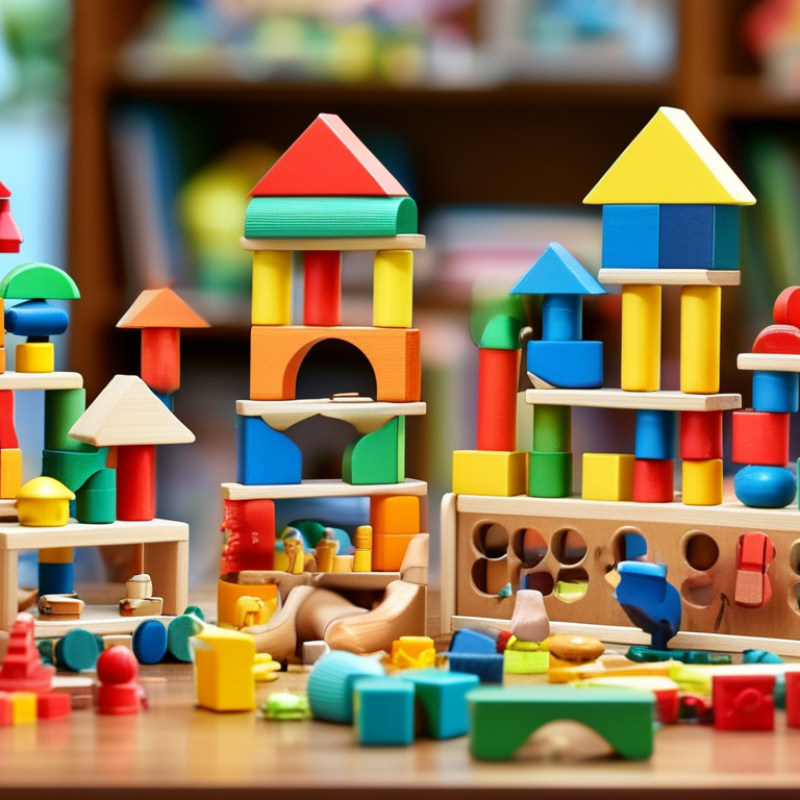
Toys play a significant role in children's social development. Different types of educational toys can enhance social skills effectively. For example, construction sets encourage teamwork. When children build together, they communicate and share ideas. This interaction fosters cooperation and understanding among peers.
Board games are another excellent choice. They teach children how to take turns and follow rules. These experiences can be challenging at times. Kids may struggle with patience or feel competitive. However, these moments are vital for developing empathy and sportsmanship. Learning to respect others is as important as winning.
Role-playing toys also promote social skills. Children can act out various scenarios, from everyday life to imaginative adventures. This play allows them to explore emotions and relationships. It can be messy or confusing, but that’s part of the learning process. Kids often mirror real-life experiences through play. This reflection is essential for understanding their own feelings and those of others.
The Role of Play in Developing Communication Abilities
Play is a vital part of childhood development. It also enhances communication skills. According to a study by the American Academy of Pediatrics, active play fosters language development. Children learn vocabulary and grammar through social interactions during playtime. Educational toys can create situations where they need to communicate effectively.
For instance, role-playing with peers allows children to practice dialogue. A report from the National Institute for Play states that children involved in cooperative games improve their verbal skills by 30%. Through these interactions, they learn to express their feelings and negotiate. However, not all children thrive in these settings. Some may struggle with sharing ideas or initiating conversations. This highlights the need for supportive environments.
Moreover, toys that encourage collaboration can further enhance communication. Building sets, for example, require teamwork. Children must discuss their ideas to create something together. Research from the Harvard Graduate School of Education found that collaborative play encourages critical thinking. This is vital for effective communication. Yet, it is crucial for caregivers to guide these interactions. Unstructured play may lead to frustration if children lack the skills to engage with their peers.
Collaborative Play: Building Teamwork and Cooperation Among Peers
Collaborative play is vital for children's social development. It fosters teamwork and cooperation among peers. According to a report by the American Academy of Pediatrics, play-based learning can enhance essential social skills. When children engage in group activities, they learn to share, take turns, and negotiate. These experiences are not just fun but foundational for building relationships.
Children often face challenges during collaborative play. They may struggle to communicate effectively or manage conflicts with their peers. A study from the National Association for the Education of Young Children noted that guided play can aid in resolving these conflicts. Teachers and parents can encourage discussions about feelings and solutions. This reflection cultivates empathy and understanding, which are crucial for social interactions.
Research shows that cooperative play leads to higher levels of emotional intelligence. In fact, a survey by the Social Development Research Group found that children who frequently engage in collaborative play display stronger teamwork abilities later in life. However, not all children thrive equally in group settings. Some might feel overwhelmed or excluded. This calls for a nurturing environment that supports every child's unique needs during play.
Encouraging Empathy and Emotional Intelligence Through Toy Interaction
Educational toys play a crucial role in fostering empathy and emotional intelligence in children. When kids engage with toys that encourage role play, they begin to understand the emotions of others. Whether sharing a doll or taking turns with blocks, these interactions help them connect emotionally. For instance, when a child pretends to comfort a toy, it reflects their ability to feel empathy toward real people.
Tips for fostering emotional intelligence include choosing toys that promote teamwork. Puzzles or cooperative games require children to communicate and collaborate. These experiences teach problem-solving skills while enhancing social bonds. Additionally, allow children to express their feelings about their playtime. Encourage discussions about emotions, whether they feel happy, frustrated, or excited. This dialogue improves their emotional vocabulary.
Different toys can lead to varying social experiences. Younger children might struggle with sharing, often leading to moments of conflict. Such situations can be teachable moments. Parents or guardians can step in with guidance, helping children navigate disputes and understand different perspectives. It’s essential to recognize that social skills take time to develop. Embracing these imperfections allows for growth and learning in emotional intelligence.
Parental Influence on Social Development Through Educational Play Activities
Parental influence plays a crucial role in children's social development through educational play activities. Engaging in these activities fosters communication and collaboration skills. According to a study by the American Academy of Pediatrics, children learn best when parents participate in their play. Active involvement leads to better social outcomes.
Parents can introduce games that require teamwork, like building blocks or role-playing. These games help children understand social cues and cooperation. Research indicates that children who engage in cooperative play are more likely to develop empathy and friendship skills. In fact, observational studies show that children with involved parents demonstrate a 30% increase in social abilities compared to those with less engagement.
However, not all parents feel comfortable guiding play. Some may hesitate, fearing they will stifle creativity or impose too many rules. This hesitation can limit children's opportunities for social interaction. Parents should reflect on their own play styles and be open to learning. By taking small steps, they can create enriching environments for their children. Embrace the chance to grow together and tackle the messy world of social interactions.
FAQS
: Educational toys encourage role play, helping kids understand others' emotions through sharing and interactions.
Toys that require teamwork, like puzzles or cooperative games, enhance communication and social bonds among children.
Parents who engage in play activities foster better communication skills and lead to improved social outcomes for kids.
Conflicts can be teachable moments, helping children understand different perspectives with guidance from parents.
Parents can reflect on their play style and take small steps to create enriching environments for their children.
Allowing children to express their feelings enhances their emotional vocabulary and understanding of various emotions.
Younger children often struggle with sharing, leading to conflicts that require guidance to navigate effectively.
Children who engage in cooperative play are more likely to develop empathy and better friendship skills over time.
Social skills take time to develop, and embracing imperfections allows for growth and learning in emotional intelligence.
Parents should balance guidance with freedom, ensuring children feel creative without losing the opportunity for social interaction.
Conclusion
Educational toys play a vital role in enhancing social development in children by promoting essential skills and fostering interaction among peers. Different types of educational toys encourage collaborative play, which helps children build teamwork and cooperation. Through engaging with these toys, children also develop vital communication abilities, enabling them to express themselves and understand others better.
Moreover, educational toys create opportunities for children to practice empathy and emotional intelligence as they navigate various social scenarios during playtime. The influence of parents in guiding and participating in educational play activities further reinforces these developmental benefits. Overall, understanding how educational toys help social development can empower caregivers to choose the right tools for facilitating their children's social growth.

 Briy Toys