The question of when should children start using educational toys is crucial for effective early learning. According to a report by the American Academy of Pediatrics, play is essential for child development. Engaging with educational toys can enhance cognitive, social, and emotional skills. Research shows children as young as six months can benefit from simple, safe toys designed to promote exploration.
Experts recommend that educational toys should be introduced gradually as children reach developmental milestones. For instance, toys that encourage problem-solving and creativity can be suitable for toddlers. A study from the National Association for the Education of Young Children indicates that interactive play stimulates brain development in children under three. However, choosing toys isn't always straightforward. Parents sometimes overlook the educational potential in everyday playthings.
While these toys are valuable, not every child will respond the same way. Some may show little interest initially and need time to engage. Reflecting on best practices and individual preferences can lead to more effective learning experiences. Overall, understanding when should children start using educational toys involves recognizing each child’s unique development path.
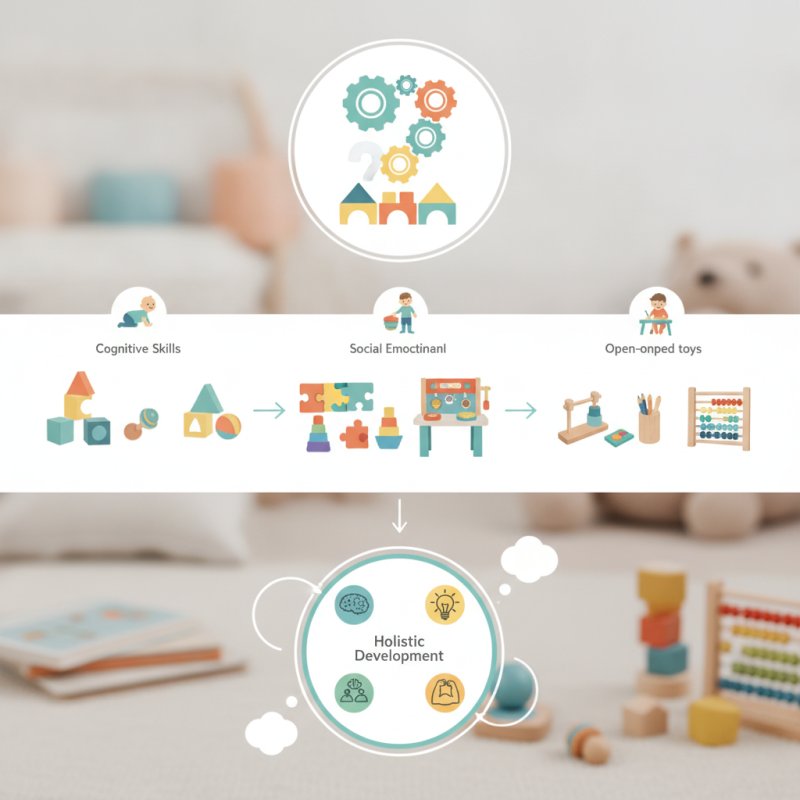
Early childhood development is a pivotal phase for effective learning. Research from the National Association for the Education of Young Children highlights that 90% of a child's brain develops before age five. During this time, children's cognitive abilities, social skills, and emotional understanding begin to form. Educational toys play a critical role in this development by fostering creativity and problem-solving skills.
Tips: Choose toys that promote exploration and creativity. Look for items that stimulate different senses. Blocks, art materials, and puzzles are great examples. These tools enhance fine motor skills, which are essential for writing and daily activities.
Engagement with educational toys can bridge gaps in learning. Children learn best when they are curious. However, not every toy suits every child. Some toys might be overwhelming, while others might not challenge them enough. Parents should observe their child's interactions to find the right balance. Encouraging playtime not only improves learning but also strengthens parent-child bonds.
Research shows that early introduction of educational toys significantly enhances developmental milestones in children. The chart illustrates the percentage of learning impact based on different age groups. Starting at an early age maximizes the benefits of using educational toys.
When considering when to introduce educational toys, age recommendations play a vital role. Infants, starting around six months, benefit from soft blocks and sensory toys. These help develop motor skills and stimulate their curiosity. At this age, play is primarily about exploration and discovery.
By the age of two, children can engage with more complex toys that encourage problem-solving. Puzzles and stacking toys become essential for cognitive development. Simple games foster social skills and can be enjoyed with peers or family members. However, it's important to avoid overwhelming a child with too many options at once.
Between ages three and five, interactive toys become crucial. These can promote creativity and critical thinking. Toys like building sets or art supplies allow children to express their ideas. Parents should reflect on their child's interests. Some children might thrive with structured play, while others prefer open-ended activities. Balancing these experiences can lead to well-rounded development.
Educational toys play a crucial role in a child's development. They encourage exploration and creativity. According to the American Academy of Pediatrics, play promotes learning in young children. Educational toys help develop critical thinking skills. They can lead to improved problem-solving abilities.
Types of educational toys vary significantly. Building blocks enhance spatial awareness and motor skills. Puzzles improve cognitive abilities and focus. Art supplies can boost creativity and emotional expression. The National Association for the Education of Young Children highlights the importance of such toys. They foster a child’s social and emotional growth.
However, not all toys guarantee effective learning. The right balance between play and structure is essential. Some toys may overwhelm children. Parents should observe their child's reactions. Choosing age-appropriate toys matters for development. Quality educational toys can make a real difference. Engaging in play with children can enhance the learning experience. It's essential to reflect on how these choices impact growth.
Play-based learning has become a cornerstone of early childhood education. Research indicates that children engaging with educational toys from a young age exhibit enhanced cognitive and social skills. A 2022 report by the National Association for the Education of Young Children highlights that play fosters crucial learning pathways, especially in areas like problem-solving and creativity. This approach does not just mean fun; it means foundational development.
Children aged 2-5 can particularly benefit from structured play with educational toys. A study from the American Academy of Pediatrics found that interactive play can significantly improve communication skills. It enhances their ability to express thoughts and emotions. Engaging with peers during play is equally important. It teaches negotiation and cooperation, essential skills for future social settings.
Tips: Choose toys that encourage imaginative play. Puzzles and building blocks can engage critical thinking. Be mindful of potential distractions like screens. Set aside time for focused play. Reflect on your child’s responses to different toys. Notice how varied effects influence their learning. This nuanced understanding can reinforce positive outcomes and foster a love for learning.
| Age Group | Recommended Educational Toys | Key Learning Outcomes | Developmental Benefits |
|---|---|---|---|
| 0-1 Year | Soft Blocks, Rattles | Sensory Exploration | Motor Skills Development |
| 1-3 Years | Shape Sorters, Stacking Toys | Cognitive Skills | Problem Solving, Hand-Eye Coordination |
| 3-5 Years | Building Sets, Educational Puzzles | Critical Thinking | Creativity, Fine Motor Skills |
| 5-7 Years | STEM Kits, Art Supplies | Applied Knowledge | Collaboration, Critical Thinking |
Choosing appropriate educational toys for children can be overwhelming. Experts suggest that children should start using these toys as early as six months. At this age, sensory toys can enhance motor skills and cognitive development. According to the American Academy of Pediatrics, 90% of a child's brain develops by age five. Therefore, the right toys can significantly impact learning outcomes.
When selecting educational toys, consider the child’s age and developmental stage. Look for toys that encourage exploration and creativity. Toys that promote problem-solving skills are ideal for toddlers. Research shows that interactive toys enhance language development in children under three. Always ensure that toys are safe and age-appropriate.
Tips: Observe your child’s interests. If they enjoy building, choose blocks or construction toys. Mixing educational value with fun is essential. Revisit your toy choices as your child grows. What works at one stage may not hold their attention later. Remember, the learning process is ongoing, and adaptability is key.
: Early childhood development shapes cognitive abilities, social skills, and emotional understanding, crucial for effective learning.
About 90% of a child's brain develops by age five, making early experiences vital.
Educational toys foster creativity and problem-solving skills, enhancing early learning experiences.
Parents should consider their child’s age, interests, and developmental stage when choosing toys.
No, some toys may overwhelm or under-challenge children; observation is essential to find the right fit.
Sensory toys, like rattles or soft textures, can enhance motor skills and cognitive development for infants.
Interactive toys can significantly boost language skills in children under three years old.
Mixing fun with education keeps children engaged, making learning enjoyable and effective.
Parents should reassess toy choices as children grow, adapting to their changing interests and needs.
The learning process is continuous, so parents must remain adaptable to their child's evolving skills and interests.
The article titled "When Should Children Start Using Educational Toys for Best Learning?" highlights the crucial role of early childhood development in enhancing learning outcomes. It suggests that the introduction of educational toys should begin in infancy, as these toys can significantly impact cognitive and social skills. The importance of selecting age-appropriate toys is emphasized, with various types of educational toys being discussed, including those that promote problem-solving, creativity, and teamwork.
Research findings on play-based learning support the idea that children benefit greatly from engaging with educational toys during critical stages of development. The article provides parents with guidelines for choosing suitable toys, ensuring that their children derive the maximum educational benefits. Ultimately, when should children start using educational toys? The consensus is that earlier exposure leads to better learning experiences, laying a strong foundation for future education.

Briy Toys