In recent years, the importance of educational toys in childhood development has gained significant attention. According to a report by the American Academy of Pediatrics, play-based learning enhances cognitive and social skills in children. These toys not only promote engagement but also stimulate critical thinking and creativity. Experts like Dr. Lisa McCarthy, a child development specialist, emphasize, “Educational toys are more than just playthings; they are tools for cognitive growth.”
Understanding what are the benefits of educational toys goes beyond mere entertainment. Research indicates that children who engage with educational toys exhibit improved problem-solving abilities. These toys often incorporate elements that challenge young minds, enabling them to learn through exploration and play. However, it's crucial to note that not all toys are created equal. Parents must choose wisely, as some toys may not foster meaningful learning experiences. The right selection can transform playtime into a powerful learning opportunity.
While there is a wealth of information available on this topic, discerning which toys are most effective can be overwhelming. The key lies in finding a balance between fun and educational value. Emphasizing quality over quantity can lead to more enriching experiences for children. Engaging with educational toys can cultivate a love for learning that lasts a lifetime.
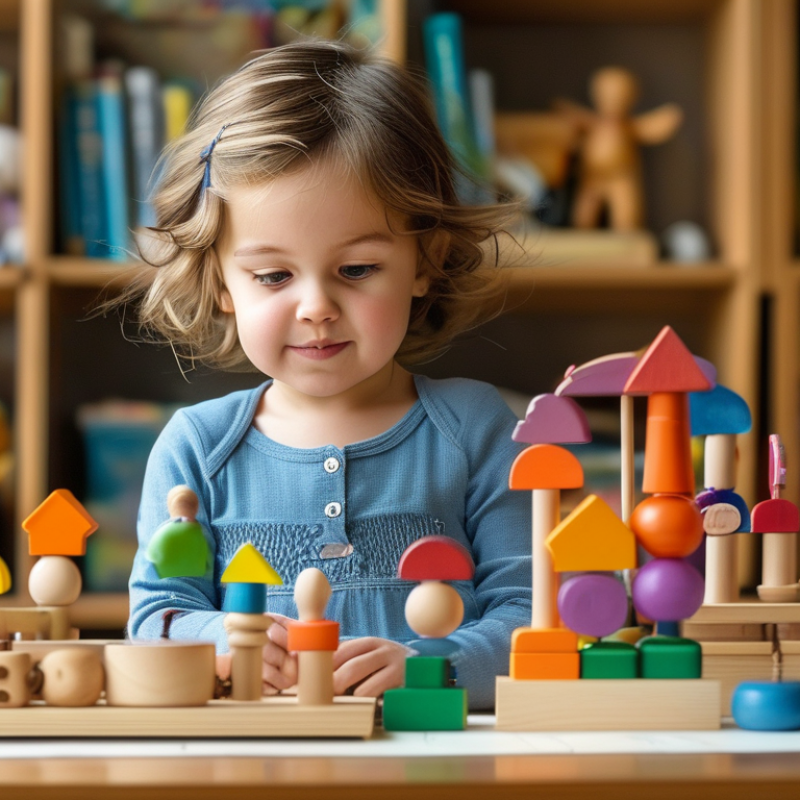
Educational toys play a significant role in child development. These toys are designed to promote learning through play. According to a report by the American Academy of Pediatrics, playtime fosters important cognitive and social skills. Engaging with educational toys can enhance problem-solving abilities and creativity. Children learn best when they are actively involved in their learning experiences.
Interactive toys that encourage exploration and discovery can also improve fine motor skills. The National Association for the Education of Young Children highlights that hands-on play helps children understand concepts better. For instance, puzzles can develop critical thinking while building coordination. Children develop resilience as they encounter challenges and learn to overcome them.
Tips: Choose age-appropriate toys that match your child's interests. Monitor usage to ensure a balanced approach. Remember, playtime should not be solely about entertainment. It is an opportunity for growth and learning. Allow your child to engage in open-ended play. This encourages imagination and innovation.
Educational toys play a significant role in children's cognitive development. They challenge kids to think critically and solve problems. When a child builds a structure with blocks, they must plan and strategize. This engagement enhances logic and reasoning skills. Each decision impacts the outcome, encouraging reflection.
Through imaginative play, kids learn to navigate complex scenarios. Role-playing enables them to explore different perspectives. They confront challenges that require creative solutions. This not only fosters independence but also nurtures resilience. Mistakes during play offer great learning moments. It is crucial for children to experience failure and find new strategies.
These toys often spark curiosity. A child may ask, "Why does this work?" Such questions drive deeper understanding. Open-ended activities stimulate higher-order thinking. They encourage kids to experiment and ask more questions. While some children may shy away from challenges, others dive in headfirst. Each child's response to educational toys will vary. The key is to provide diverse experiences that promote growth.
Educational toys play a crucial role in a child's development. They can significantly enhance social skills, an essential aspect of growth. These toys encourage interaction and communication among children, promoting teamwork and collaboration. When kids engage in play together, they naturally learn to share and negotiate. This fosters a sense of community.
Through role-playing games, children can express themselves better. They practice taking turns and listening actively. These interactions are vital for building empathy. Children begin to understand different perspectives, which shapes their emotional intelligence. However, some children may struggle with these skills. They might find it hard to connect or express their thoughts.
Art and craft kits also promote social engagement. While working together, children can discuss ideas and methods. This collaboration opens doors to new friendships. Yet, not every child feels confident in group settings. Encouraging them to participate gradually can help cultivate their comfort. Continuous engagement with educational toys can build these vital social skills over time.
Educational toys play a crucial role in a child's development, particularly in enhancing motor skills. These toys are designed to engage children physically. Activities like stacking blocks or manipulating shapes require hand-eye coordination. This process is vital for refining dexterity and control. Each interaction with these toys builds a foundation for complex tasks in the future.
It is fascinating how simple toys can lead to significant improvements. Children learn to grasp items, promote finger strength, and enhance their ability to coordinate movement. When a child successfully stacks a tower, they not only feel accomplished but also develop spatial awareness. Such experiences empower them to tackle more challenging activities down the road.
Yet, it is essential to recognize that not all toys yield the same benefits. Some may overstimulate or distract instead of facilitating focused play. Parents should observe their child’s interactions and adjust accordingly. Reflecting on what engages a child best can lead to more effective playtime choices. Ultimately, the right educational toys can transform ordinary play into critical growth opportunities.
Educational toys play a vital role in a child's emotional growth. They create a safe space for kids to explore feelings and develop social skills. When children engage with these toys, they often face challenges. This can spark moments of frustration. Learning to overcome these obstacles builds resilience.
Confidence emerges through play. When children succeed at a task, even a simple one, they feel proud. This sense of achievement motivates them to try new things. Educational toys often encourage teamwork. Children must communicate and collaborate to solve problems together.
However, not all play experiences are perfect. Some kids may feel discouraged if they struggle too much. It's essential for caregivers to step in and offer support. This balance teaches children that it's okay to seek help. Over time, this will nurture their confidence and emotional strength, equipping them for future challenges.
| Benefit | Description | Example Toy | Age Group |
|---|---|---|---|
| Enhances Cognitive Skills | Helps in problem-solving and critical thinking. | Puzzle Sets | 3-6 years |
| Boosts Motor Skills | Improves hand-eye coordination and dexterity. | Building Blocks | 2-5 years |
| Fosters Creativity | Encourages imaginative play and creative expression. | Art Supplies | 4-8 years |
| Builds Emotional Intelligence | Helps children understand their emotions and those of others. | Role-Playing Sets | 4-10 years |
| Encourages Social Skills | Promotes sharing, teamwork, and communication. | Board Games | 5-10 years |
| Instills Confidence | Achieving toy-related tasks boosts self-esteem. | Skill-building Toys | 3-6 years |
| Teaches Patience | Learning through play reinforces the concept of patience. | Building Kits | 6-10 years |
| Improves Focus | Engaging activities train concentration levels. | STEM Toys | 5-10 years |
| Encourages Physical Activity | Active play develops gross motor skills. | Outdoor Sports Equipment | 4-10 years |
: They challenge children to strategize and think critically while building structures or playing games.
It helps kids navigate complex scenarios and develop resilience through creative problem-solving.
Mistakes provide valuable learning moments and encourage children to find alternative strategies.
They encourage interaction, sharing, and negotiation, fostering teamwork and a sense of community.
They enhance self-expression, active listening, and help children understand different perspectives.
No, some children may struggle with social skills and need gradual encouragement to participate.
They create a safe space for exploring feelings and overcoming challenges, which builds resilience.
Achieving tasks boosts their self-esteem and motivates them to try new activities.
It's vital to offer help and teach that seeking support is acceptable in overcoming challenges.
Different activities promote growth and allow each child to engage in ways that suit them best.
Educational toys play a crucial role in a child's development, offering numerous benefits that contribute to their overall growth. Understanding what are the benefits of educational toys reveals how they enhance cognitive skills by promoting problem-solving and critical thinking. These toys encourage children to engage actively, which boosts social skills through interaction and communication with peers.
Moreover, educational toys aid in the development of motor skills, helping children build coordination and physical abilities that are essential for everyday tasks. They also foster emotional growth, instilling essential traits like confidence and resilience as children navigate challenges through play. Overall, incorporating educational toys into a child's playtime can significantly enrich their developmental experiences, laying a strong foundation for future learning and interpersonal relationships.

Briy Toys